
The Complete Guide to Container Homes for Modern Housing
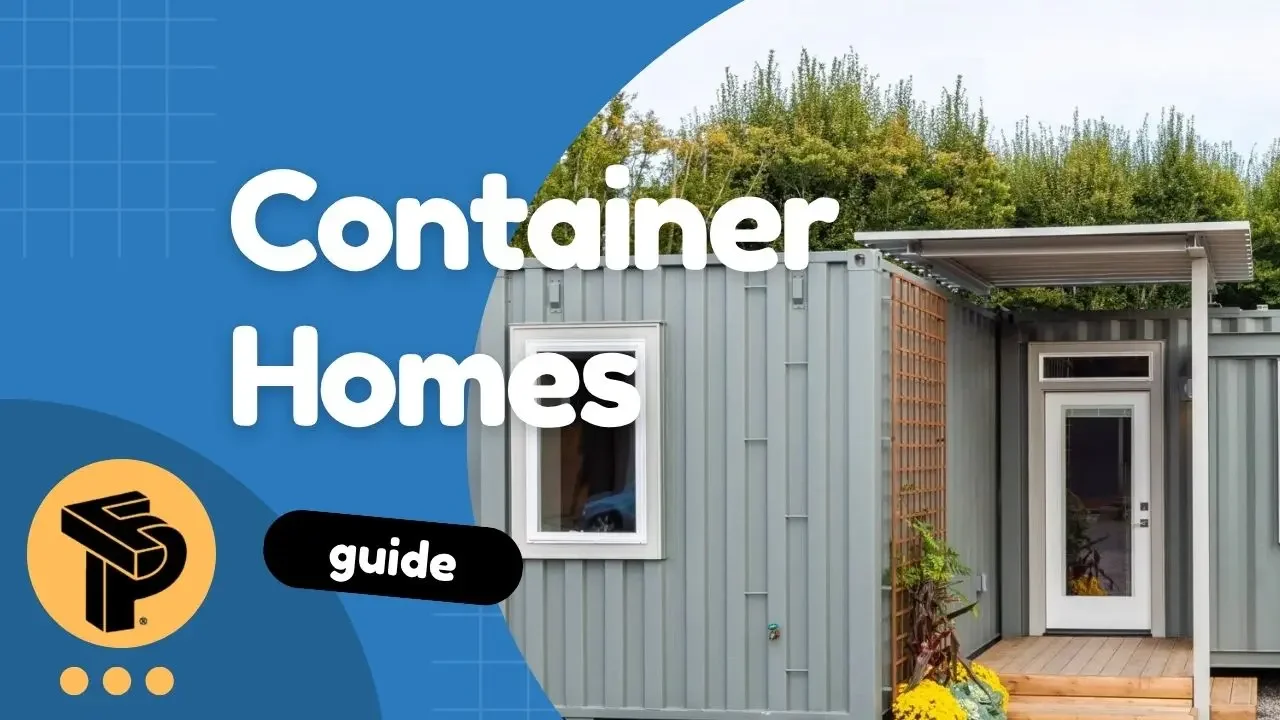
As housing needs continue to evolve, many homeowners are exploring alternative ways to build efficient, affordable, and flexible living spaces. One of the most innovative solutions gaining global attention is container homes.
Built using repurposed or modified shipping containers, container homes offer a modern approach to residential construction. They combine durability, modularity, and design flexibility, making them ideal for a wide range of uses, from backyard units to full-scale residential homes.
If you're new to this concept, this guide will walk you through everything you need to know about container homes, including types, design ideas, costs, and how they fit into modern housing trends.
What Are Container Homes?
Container homes are residential structures built using shipping containers as the primary structural element. These containers are typically made from steel, making them highly durable and suitable for various environments.
Container homes can be:
single-unit compact homes
multi-container modular homes
expandable or folding structures
They are often part of the broader category of prefab homes, where construction is completed off-site and assembled on location.
Why Container Homes Are Becoming Popular
Container homes are growing in popularity due to several key advantages.
Affordability
Compared to traditional construction, container homes can be more cost-efficient, especially for smaller units.
Faster Construction
Because containers provide a pre-built structure, construction time is significantly reduced.
Durability
Steel containers are designed to withstand extreme conditions, making them structurally strong.
Flexibility
Container homes can be stacked, combined, or expanded to create different layouts.
Sustainability
Reusing shipping containers reduces material waste and supports eco-friendly construction.
Types of Container Homes
Container homes come in several configurations depending on design and use.
Single Container Homes
These compact units are typically built from one container and are ideal for:
small backyard homes
home offices
guest houses
They are often designed using efficient layouts similar to those found in small ADU plans.
Multi-Container Homes
Larger homes combine multiple containers to create more spacious layouts.
These designs offer:
separate rooms
larger living areas
better functionality
They are commonly used in residential projects and rental properties.
Expandable Container Homes
Expandable designs allow sections of the container to fold out, increasing interior space.
These are explored in more detail in expandable container homes, where flexibility and mobility are key features.
Prefabricated Container Homes
These homes are built off-site and delivered ready for installation.
To learn more about this category, you can explore prefab container homes and prefabricated container homes, which explain how prefab construction enhances efficiency.
Container Home Design Ideas
Design plays a crucial role in making container homes comfortable and visually appealing.
Modern container homes focus on:
open layouts
large windows
natural lighting
indoor-outdoor integration
If you're looking for inspiration, you can explore modern container homes, where contemporary architecture meets modular design.
You can also find creative layout ideas in container home designs, which showcase different styles and configurations.
Container Homes for Backyard Living
Container homes are especially popular for backyard applications.
They can be used as:
guest houses
rental units
home offices
family living spaces
Many of these use cases align with ADU plans, where compact housing solutions are designed for residential properties.
Cost of Container Homes
The cost of container homes varies depending on several factors.
Key cost considerations include:
number of containers used
level of customization
interior finishes
transportation and installation
site preparation
For more detailed pricing insights, you can explore modular home cost and ADU cost, which explain how construction choices impact total expenses.
Container Homes vs Traditional Homes
Understanding how container homes compare to traditional construction helps homeowners make informed decisions.
Container Homes
faster construction
modular and scalable
often more cost-efficient
flexible design
Traditional Homes
longer build time
higher labor requirements
more complex construction process
Container homes offer a modern alternative that simplifies building while maintaining functionality.
How to Build a Container Home
Building a container home involves several steps:
selecting the right container size
designing the layout
preparing the site
modifying the container structure
installing utilities and finishes
For a step-by-step guide, you can explore how to build a container house, which explains the full process in detail.
How to Choose the Right Container Home
When planning a container home, consider:
intended use (residential, rental, office)
available space
budget
design preferences
future expansion
Choosing the right configuration ensures long-term usability and comfort.
Prefahb Models as Container Home Solutions
Several models from Prefahb.co demonstrate how container homes can be adapted for modern living.
B201 – compact and efficient for small spaces
P201 – one-bedroom layout for comfortable living
P202 – expanded modular design for larger needs
R404 – multi-container home for full residential use
Z201 – folding container home for flexibility
These models highlight how container-based construction can be used for a wide range of applications.
Future of Container Homes
Container homes are expected to play a larger role in future housing trends.
Key developments include:
smart home integration
sustainable building materials
off-grid living solutions
modular expansion systems
As demand for flexible housing grows, container homes will continue to evolve as a practical solution.
Frequently Asked Questions
Are container homes safe?
Yes, when properly modified and insulated, they are structurally strong and safe for residential use.
Are container homes cheaper than traditional homes?
They can be more cost-efficient, especially for smaller or modular builds.
Can container homes be customized?
Yes, they offer high flexibility in design and layout.
How long do container homes last?
With proper maintenance, they can last for decades.
Final Thoughts
Container homes represent a modern, flexible, and efficient approach to housing. By combining modular design with durable materials, they offer a practical solution for a wide range of living needs.
Whether used as a backyard unit, rental property, or full-time residence, container homes provide a scalable and future-ready alternative to traditional construction.