
Prefab Homes Explained Benefits, Types, and Modern Uses
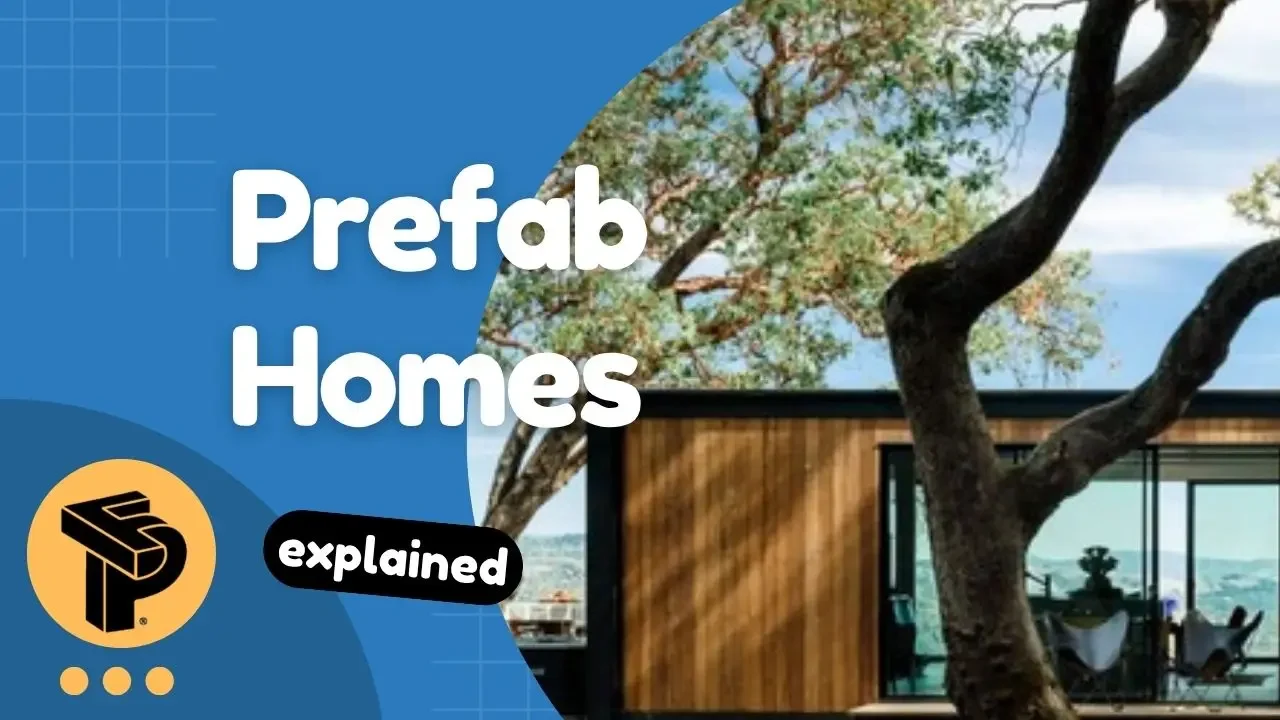
Prefab homes have become one of the most practical solutions for modern housing. As construction costs rise and timelines become longer, many homeowners are turning to prefabricated building methods that offer faster, more efficient, and more predictable results.
Unlike traditional construction, prefab homes are built in controlled environments and then assembled on-site. This approach reduces delays, improves quality, and allows for more scalable housing solutions.
If you're exploring modern housing options, understanding how prefab homes work, and how they relate to systems like modular home construction, is an important first step.
Companies like Prefahb.co are helping redefine this space by offering flexible prefab solutions that can be adapted for backyard homes, rental units, and modern living environments.
What Are Prefab Homes?
Prefab homes, short for prefabricated homes, are residential structures that are partially or fully built off-site in a factory setting before being transported and assembled at their final location.
This construction method differs from traditional homes, which are built entirely on-site.
Prefab homes typically involve:
factory-built components or modules
faster on-site assembly
standardized construction processes
reduced material waste
Prefab housing is often associated with modular construction, but the two are not identical. For a deeper understanding of how modular systems work, you can explore our guide to modular home construction.
Types of Prefab Homes
Prefab homes come in several forms, each offering different levels of flexibility and customization.
Modular Homes
Modular homes are built in sections (modules) and assembled on-site. These homes are known for their structural strength and scalability.
Panelized Homes
Panelized homes are constructed using pre-made wall panels that are assembled on-site. This method allows for more design flexibility.
Container Homes
Container homes use shipping containers as structural elements. They are durable, modular, and highly adaptable.
If you're interested in this category, explore modern approaches in prefab container homes and prebuilt container homes to see how container-based housing is evolving.
Tiny Prefab Homes
These compact homes focus on minimal living and efficient use of space, often used as guest houses or backyard units.
Benefits of Prefab Homes
Prefab homes offer several advantages compared to traditional construction.
Faster Construction
Because components are built in a factory, construction can happen simultaneously with site preparation.
Cost Efficiency
Prefab construction reduces labor costs and minimizes material waste.
Consistent Quality
Controlled factory environments allow for precise and consistent building standards.
Sustainability
Reduced waste and efficient material use make prefab homes more environmentally friendly.
Prefab Homes vs Traditional Construction
Understanding the difference between prefab and traditional construction helps homeowners make informed decisions.
Prefab Homes
faster build time
predictable costs
less on-site disruption
Traditional Homes
longer construction timelines
higher labor complexity
more variability in costs
Prefab construction simplifies the building process while maintaining high-quality standards.
Prefab Homes vs Modular Homes
While often used interchangeably, prefab homes and modular homes are not exactly the same.
Prefab homes refer to any home built off-site
Modular homes are a specific type of prefab home built in modules
In other words, all modular homes are prefab, but not all prefab homes are modular.
Understanding this distinction is important when choosing the right construction method for your project.
Popular Uses for Prefab Homes
Prefab homes are highly versatile and can be used in many ways.
Backyard Homes
Prefab homes are commonly used as backyard units for additional living space. You can explore layout ideas in our guide to ADU plans.
Guest Houses
Prefab structures are ideal for guest accommodations. For design inspiration, see backyard guest house plans.
Rental Units
Many homeowners use prefab homes as rental properties due to their cost efficiency and fast installation.
Vacation Homes
Prefab homes are also popular for vacation properties due to their flexibility and ease of construction.
Prefab Container Homes as a Modern Solution
Container-based prefab homes have become increasingly popular due to their durability and modular nature.
These homes offer:
strong structural integrity
flexible design options
scalability through modular expansion
To explore this category further, check out prefab container homes and prefabricated container homes for more detailed insights.
Cost of Prefab Homes
The cost of prefab homes varies depending on size, design, and materials.
Key cost factors include:
number of modules
interior finishes
transportation and installation
site preparation
Prefab homes are often more predictable in cost compared to traditional construction.
For more detailed pricing insights, see our guides on modular home cost and ADU cost.
How to Choose the Right Prefab Home
Choosing the right prefab home requires careful planning.
Consider the following:
intended use (home, rental, guest house)
available land space
budget and cost considerations
desired level of customization
future expansion potential
Selecting the right configuration ensures long-term functionality and value.
Prefahb Models as Prefab Home Solutions
Several models from Prefahb.co demonstrate how prefab homes can be adapted for different use cases.
B201 – compact studio unit for small spaces
P201 – one-bedroom layout for comfortable living
P202 – expanded modular unit for larger needs
Z201 – folding compact unit for flexible deployment
These models highlight the versatility of prefab construction in modern housing.
Future Trends in Prefab Housing
Prefab housing continues to evolve with new innovations.
Key trends include:
sustainable and eco-friendly materials
smart home integration
off-grid living solutions
scalable modular expansion
These trends are shaping the future of residential construction.
Frequently Asked Questions
What is a prefab home?
A prefab home is a house built partially or fully in a factory and assembled on-site.
Are prefab homes cheaper than traditional homes?
They can be more cost-efficient due to reduced labor and faster construction timelines.
Are prefab homes durable?
Yes, they are built to meet strict building standards and can be highly durable.
Can prefab homes be customized?
Yes, many prefab homes offer flexible design and layout options.
Final Thoughts
Prefab homes represent a modern approach to housing that prioritizes efficiency, flexibility, and scalability. By combining off-site construction with smart design, these homes provide a practical solution for a wide range of residential needs.
Whether used as backyard homes, rental units, or primary residences, prefab homes offer a streamlined path to building comfortable and functional living spaces in today’s evolving housing landscape.