
Prefab Homes Cost Explained: Pricing and Factors
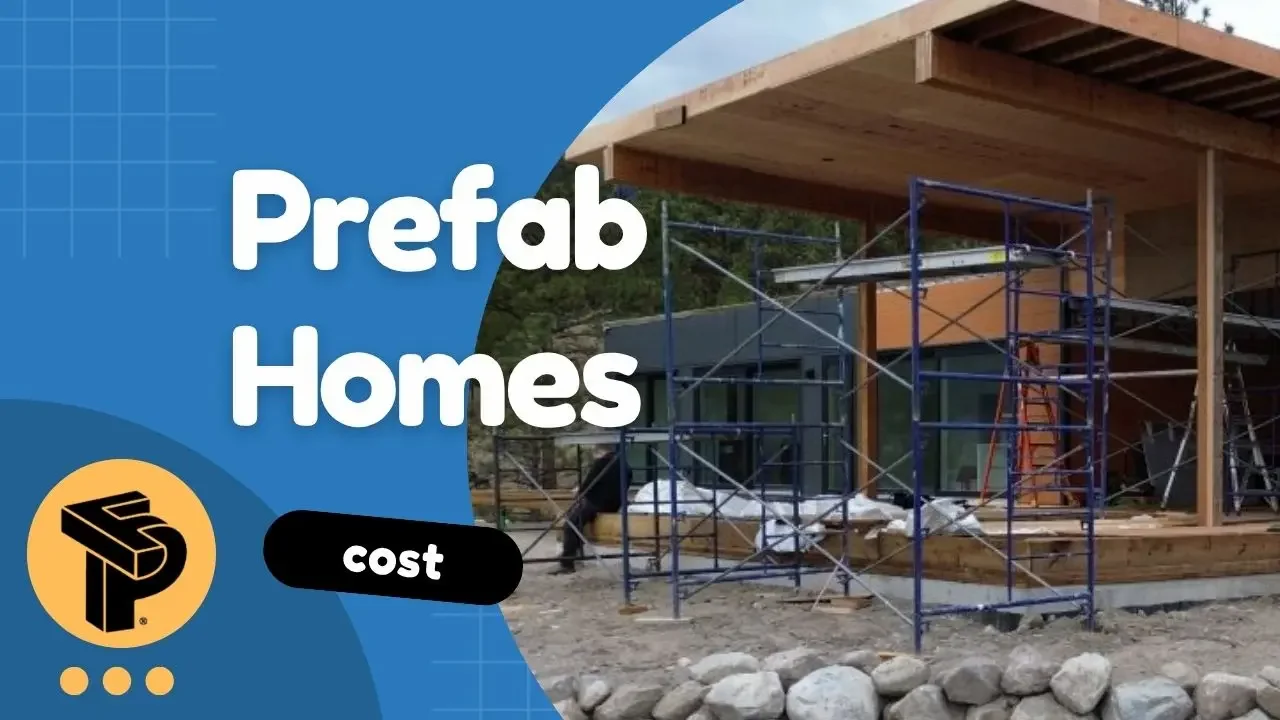
As more homeowners explore faster and more efficient ways to build, prefab homes have become an increasingly popular option. One of the most common questions people ask before starting a project is simple: how much do prefab homes cost?
The answer depends on several factors, including size, design, materials, and construction method. Compared to traditional housing, prefab homes often provide more predictable pricing and faster timelines.
If you're new to prefabricated construction, you can start by exploring the full concept of prefab homes, which explains how these homes are built and why they are gaining popularity.
Companies like Prefahb.co offer modular prefab solutions that help simplify construction while keeping costs efficient and scalable.
What Is the Average Cost of Prefab Homes?
Prefab home costs can vary widely depending on size and complexity.
Typical price ranges:
Small prefab homes (200–400 sqft): $20,000 – $80,000+
Medium prefab homes (400–800 sqft): $60,000 – $150,000+
Large prefab homes (800+ sqft): $120,000 – $300,000+
These ranges are general estimates and can vary depending on location, materials, and customization.
Key Factors That Affect Prefab Home Cost
Several important factors influence total cost.
Size and Layout
Larger homes require more materials and labor, increasing the total price.
Construction Method
Prefab homes can include:
modular construction
container-based designs
panelized systems
Each method has different cost implications. To understand the differences, see prefab vs modular homes, where construction methods are explained in detail.
Materials and Finishes
Higher-end materials, such as premium flooring and custom cabinetry, can significantly increase costs.
Transportation and Installation
Prefab homes must be transported to the site, which can add to the overall budget.
Site Preparation
Costs may include:
land leveling
foundation work
utility connections
Prefab Homes Cost vs Traditional Construction
Understanding cost differences helps homeowners choose the right option.
Prefab Homes
faster construction
reduced labor costs
more predictable pricing
Traditional Homes
longer timelines
higher labor complexity
more cost variability
Prefab homes often provide better cost control due to their standardized processes.
Cost Examples Based on Use Cases
Prefab home costs can vary depending on how the unit is used.
Backyard Homes
Compact backyard units are typically more affordable due to smaller size. You can explore examples in prefab backyard homes.
Guest Houses
Prefab guest houses offer flexible pricing depending on layout and features. For more details, see prefab guest house.
ADU Units
ADUs are one of the most common uses for prefab homes. For a deeper breakdown of costs, refer to ADU cost.
Modular vs Prefab Cost Differences
While modular homes are part of prefab construction, there can be differences in pricing.
modular homes may cost more for larger, multi-module structures
prefab homes can be more affordable for smaller units
To understand how modular pricing works, you can explore modular home cost.
How to Reduce Prefab Home Cost
There are several ways to keep prefab projects within budget.
Choose a Smaller Layout
Smaller homes reduce material and construction costs.
Simplify Design
Avoid complex layouts or luxury finishes unless necessary.
Use Standardized Models
Pre-designed prefab models can reduce customization costs.
Plan Efficiently
Efficient layouts like those found in ADU floor planshelp reduce wasted space and improve cost efficiency.
Are Prefab Homes Worth the Cost?
For many homeowners, prefab homes are a worthwhile investment.
Benefits include:
faster construction timelines
lower labor costs
flexible housing solutions
scalable design options
Prefab homes are especially valuable for backyard housing, rental units, and modern living spaces.
Hidden Costs to Consider
In addition to base construction costs, homeowners should also account for:
permits and approvals
utility connections
site preparation
landscaping
furniture and setup
Planning for these costs helps avoid budget surprises.
How to Budget for a Prefab Home
To create an effective budget:
define your total budget
prioritize essential features
compare prefab and traditional options
plan for unexpected expenses
Understanding cost structure early helps ensure a smoother building process.
Frequently Asked Questions
Are prefab homes cheaper than traditional homes?
They can be more cost-efficient due to reduced labor and faster construction.
What is the cheapest type of prefab home?
Small studio-style units are typically the most affordable.
Can prefab homes be customized?
Yes, but customization may increase costs.
Do prefab homes last as long as traditional homes?
Yes, when built to proper standards, they can be just as durable.
Final Thoughts
Understanding prefab homes cost is essential for planning a successful project. While prices vary depending on size and design, prefab construction offers a more efficient and predictable approach to building.
By choosing the right layout, materials, and construction method, homeowners can create cost-effective living spaces that meet both current and future needs.