
ADU Cost Guide for Backyard Homes and Modular Housing
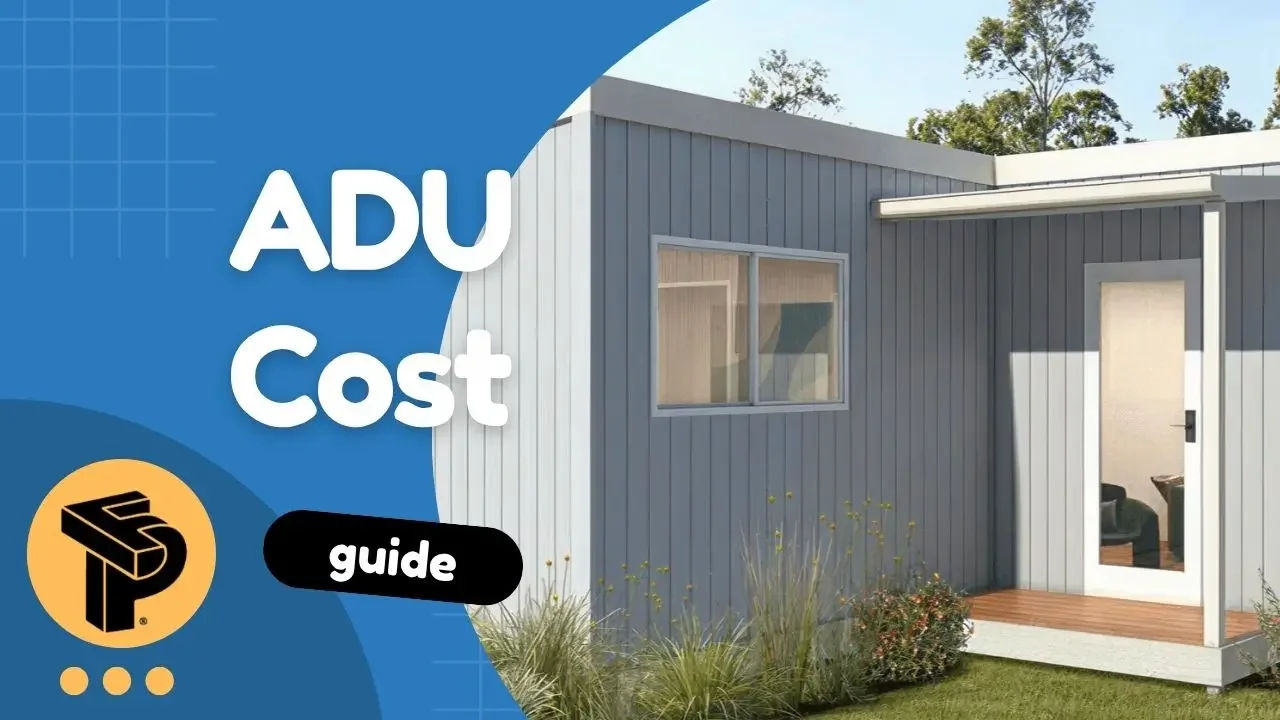
Building an Accessory Dwelling Unit (ADU) is one of the most effective ways to add living space and increase property value. Whether used as a rental unit, guest house, or home office, ADUs offer flexible housing solutions for modern homeowners.
However, one of the most common questions people ask is: how much does an ADU cost?
The answer depends on several factors, including size, construction method, location, and interior finishes. Before diving into pricing, it’s helpful to understand how different layouts work through our complete guide to ADU plans, which explains how design choices can impact overall costs.
In this guide, we break down the key components of ADU cost and show how modular solutions from Prefahb.co can make backyard housing more efficient and predictable.
What Is the Average ADU Cost?
The cost of building an ADU can vary widely depending on the type of unit and construction method.
Typical price ranges:
Small ADU (200–400 sqft): $40,000 – $120,000+
One-bedroom ADU (300–600 sqft): $80,000 – $180,000+
Large ADU (600+ sqft): $150,000 – $300,000+
If you're planning a compact backyard unit, exploring small ADU planscan help you understand how smaller layouts can significantly reduce total costs.
Key Factors That Affect ADU Cost
Several factors influence the total cost of building an ADU.
Size and Layout
Larger ADUs require more materials, labor, and structural support. Choosing the right layout early is one of the most effective ways to control costs.
Construction Method
Prefab / modular ADUs: faster and often more cost-efficient
Traditional builds: longer timelines and higher labor costs
Many homeowners today explore prefabricated construction as a way to reduce complexity and improve cost predictability, especially when considering modern modular ADU solutions.
Cost Breakdown of an ADU Project
To better understand where your budget goes, here’s a simplified cost breakdown.
Construction (40–60%)
This includes materials, labor, and structural work.
Site Preparation (10–20%)
Covers foundation work, grading, and installation.
Utilities (10–20%)
Includes plumbing, electrical systems, and connections.
Interior Finishes (10–20%)
Appliances, cabinetry, flooring, and fixtures.
Understanding this breakdown helps align your budget with your chosen ADU design.
Prefab ADU Cost vs Traditional Construction
Choosing the right construction method has a major impact on cost.
Prefab ADU Cost Advantages
faster build time
reduced labor costs
predictable pricing
less material waste
Traditional ADU Cost Challenges
longer construction timelines
higher labor coordination costs
potential budget overruns
Prefab solutions from Prefahb.cosimplify the process and are often aligned with modern modular housing trends.
Cost Examples Based on Prefahb Models
To better understand pricing, here are examples based on modular container units.
Model B201 (Small ADU)

Prefahb.co proudly introduces "Model B201," available starting at $29,000 USD. This versatile micro home, constructed from a single 20' to 40' Knock Down Shipping Container, is part of our "Basic DIY Model" collection. Spanning 170-340 SQFT, Model B201 boasts 1 room, 1 wood deck, and a range of customizable features. The inclusion of a Desk and Murphy bed option enhances its functionality. For those seeking premium additions, Model B201 offers upgrade packages such as "The Green Package" with a Green/Garden Roof and Circular Staircase, and "The Nomadic Package" featuring an Outdoor/Indoor single-sided Fireplace and solar panel system. Whether used as a Guest Room, Art Studio, Backyard Office, or beyond, Model B provides a stylish and practical solution. Crafted with precision by skilled artisans at our prefahb.co facility in Ubud, Bali, this model embodies unparalleled craftsmanship. To discover more about pricing and customization options, contact our team today to embark on your Prefahb.co Model B journey.
The "Model B201" units are perfect for creating smaller backyard "DIY offices," "She Sheds," and "art & yoga studios." Designed to provide private sleeping space, these units also include an optional fold-down desk, offering a flexible office space, and a covered wood lattice deck.
Begin your "Model B201" purchase with a fully refundable deposit. Following the "site evaluation," we'll collaborate to decide whether to move forward with the order. Should the order be canceled after the "site evaluation," we will ensure your reservation deposit is promptly returned.
FEATURES & OPTIONS
The Model B201 offers customizable Nomadic and Green Package Options. Nomadic Packages include a 220 RV type plug-in, Roof Solar System, and an indoor Wood Burning Fire stove. Additionally, the Model B provides DIY solutions, as you can choose the Basic DIY Package and customize your model as per your preferences. Furthermore, upgrade package options can be separately ordered at a later date and shipped to your location.
EXTERIOR
The exterior consists of two 20' to 40' Knock-Down Kit Shipping Containers.
INTERIOR
Customizable to accommodate The Green & The Nomadic Packages
UPGRADES
Perfect for enhancing smaller building site offices and living spaces
Pricing:
Our team is dedicated to providing competitive, itemized quotes based on the estimates from your order. Once we receive your online refundable deposit, we can collaborate with you to create an accurate itemized price quote that fits your budget, utilizing information from a site installation assessment evaluation. If our price quote doesn't align with your budget, we will promptly refund your deposit. Moreover, if the deposit is approved, it can also be credited towards your Model and/or accessory purchase. Kindly note that shipping times and costs are subject to change.
The Process:
Upon receiving your refundable deposit, the Prefahb.co team will engage with you to discuss your order. We will carefully assess your site evaluation as per the chosen Model and determine the subsequent steps. It's important to note that site evaluations are customized for each unique building site. Once this assessment is finalized and precise estimates for site building installation, shipping, and model upgrade packages are determined, they will be integrated into an itemized quote. Upon confirmation of the itemized quote, a 50% nonrefundable deposit is required to initiate the construction of your model. As the model is readied for shipping to the building site, the remaining 40% balance will be due. Upon receipt of delivery, the final 10% balance is immediately
starting around $29,000 USD
compact studio layout
ideal for backyard office or guest house
This type of unit reflects the efficiency found in compact ADU layouts designed for smaller spaces.
Model P201 (1 Bedroom ADU)

Prefahb.co proudly introduces "Model P201," our innovative high cube shipping container dwelling designed for convenience and style, with prices starting at $59,950 USD. Available in single 20' or 40' configurations, this adaptable micro-home provides a living space ranging from 180 to 360 square feet. The Model P201 comes equipped with a side-wall bump-out that includes essential features like a comfortable Murphy bed, a functional desk area, a compact kitchenette, and a complete bathroom with a shower. To enhance the living experience, buyers can opt for optional packages such as "The Green Package," including a Green/Garden Roof and Circular Staircase for rooftop access, and "The Nomadic Package," featuring an Outdoor Fireplace, covered deck, and a solar panel system. With RV 220 plug-in capability and water hookups, this unit caters to individuals pursuing a nomadic lifestyle, offering a mobile and off-grid housing solution from Prefahb.co.
The "Model P" units are ideal for compact backyard offices or guest rooms. These units feature a Murphy Bed nook space, providing additional sleeping space, and a fold-down desk for flexible office use. They also come equipped with a full bath with a shower, along with a kitchenette for light cooking needs.
Begin your "Model P" purchase with a fully refundable deposit. Following the "site evaluation," we'll collaborate to decide whether to move forward with the order. Should the order be canceled after the "site evaluation," we will ensure your reservation deposit is promptly returned.
FEATURES & OPTIONS
Clients have the option to upgrade the base model of the Model P, which starts at $59,950 USD, by selecting from The Nomadic and The Green Packages. The Nomadic Packages offer a 220 RV plug-in, Roof Solar System, and an outdoor Wood Burning Fire stove, while The Green Packages feature a Spiral Roof-Top Stairway and a Green Garden Roof Top System. Clients can tailor these packages to match their individual needs effectively.
The exterior consists of a single 20' to 40' insulated shipping container wrapped in wood cladding.
Flexible and customizable interior upgrade packages are offered for customization.
Enhancement packages designed for compact building site offices and living spaces are available.
Pricing:
Our team is dedicated to providing competitive, itemized quotes based on the estimates from your order. Once we receive your online refundable reservation deposit, we can collaborate with you to create an accurate itemized price quote that fits your budget, utilizing information from a site installation assessment evaluation. If our price quote doesn't align with your budget, we will promptly refund your deposit. Moreover, if the deposit is approved, it can also be credited towards your Model and/or accessory purchase. Kindly note that shipping times and costs are subject to change.
The Process:
Upon receiving your refundable deposit, the Prefahb.com team will engage with you to discuss your order. We will carefully assess your site evaluation as per the chosen Model and determine the subsequent steps. It's important to note that site evaluations are customized for each unique building site. Once this assessment is finalized and precise estimates for site building installation, shipping, and model upgrade packages are determined, they will be integrated into an itemized quote. Upon confirmation of the itemized quote, a 50% nonrefundable deposit is required to initiate the construction of your model. As the model is readied for shipping to the building site, the remaining 40% balance will be due. Upon receipt of delivery, the final 10% balance is immediately
starting around $59,950 USD
includes sleeping area, kitchenette, and bathroom
suitable for rental units
For homeowners looking for more comfortable layouts, 1 bedroom ADU plans provide a better balance between space and functionality.
Model P202 (Expanded ADU)
starting around $109,950 USD
built from two modules
more spacious and comfortable layout
This type of configuration is often associated with scalable prefab designs that allow future expansion.
Additional Costs to Consider
Beyond construction, homeowners should also account for:
building permits and fees
architectural design costs
landscaping
furniture and interior setup
maintenance and utilities
These additional costs should always be included when planning your ADU budget.
How to Reduce ADU Cost
There are several ways to keep ADU projects within budget.
Choose a Smaller Layout
Smaller units reduce material and labor costs.
Use Prefab Construction
Prefab ADUs simplify construction and reduce unexpected expenses.
Simplify Interior Finishes
Standard finishes help lower total costs.
Plan Efficiently
Efficient layouts—like those found in well-designed backyard ADUs, can reduce wasted space and improve cost efficiency.
Is Building an ADU Worth the Cost?
For many homeowners, building an ADU is a worthwhile investment.
Benefits include:
increased property value
rental income potential
flexible living space
long-term housing solution
ADUs are especially valuable in areas where housing demand is high.
ADU Cost vs Rental Income Potential
One of the biggest advantages of building an ADU is its income potential.
Many homeowners use ADUs for:
long-term rentals
short-term vacation rentals
guest accommodations
With the right layout and location, an ADU can generate consistent income over time.
How to Budget for an ADU Project
When planning an ADU, it’s important to create a realistic budget.
Steps include:
defining your total budget
choosing the right layout
comparing prefab and traditional options
planning for unexpected costs
Understanding modular construction can also help, which is explained further in our guide to modular home cost.
Final Thoughts
Understanding ADU cost is essential for planning a successful backyard housing project. While prices vary depending on size and construction method, choosing the right layout and building approach can significantly impact your total investment.
By combining efficient design with modular construction, homeowners can create affordable, flexible, and high-value backyard homes that meet both current and future needs.