
Modern Small ADU Plans for Compact and Comfortable Living
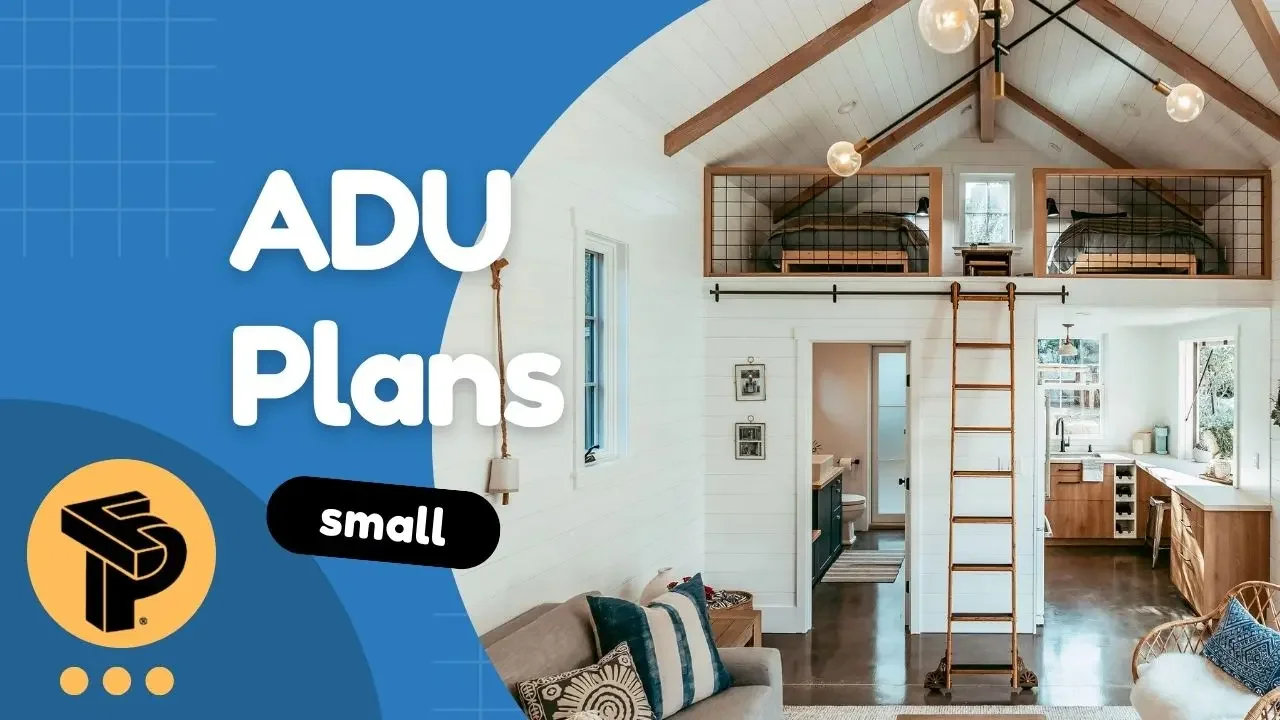
As housing demand continues to grow and property prices rise, many homeowners are searching for practical ways to add living space without purchasing additional land. One increasingly popular solution is the Accessory Dwelling Unit (ADU), a small secondary home built on the same property as a primary residence.
For homeowners with limited backyard space, small ADU plans offer an efficient way to create functional living areas while keeping construction manageable and affordable. Whether used as a guest house, rental studio, or home office, compact ADUs can provide flexible housing solutions that maximize property value.
Many modern ADU designs use modular construction, allowing units to be built faster and more efficiently than traditional homes. Builders like Prefahb.co specialize in compact modular housing models that can serve as practical backyard ADUs.
This guide explores how small ADU plans work, typical layout ideas, and examples of compact units that demonstrate how efficient backyard housing can be designed.
What Are Small ADU Plans?
Small ADU plans are architectural layouts designed for compact accessory dwelling units, typically built in backyard spaces or underutilized areas of residential properties.
These units usually range between 200 and 400 square feet, although some may be slightly larger depending on local regulations.
Despite their smaller footprint, well-designed ADUs typically include all essential residential features, such as:
a sleeping area
a small living space
a kitchenette or compact kitchen
a bathroom
Because space is limited, small ADU plans focus heavily on efficient layout planning and multifunctional design.
These compact units have become increasingly popular because they allow homeowners to add additional housing without significantly expanding the property’s physical footprint.
Benefits of Small ADU Plans
Small ADU plans offer several advantages for homeowners and property investors.
Lower Construction Cost
Smaller structures naturally require fewer materials and less labor, making them more affordable than building full-size secondary homes.
Faster Construction Timeline
Compact ADUs are often quicker to design, permit, and build compared to larger residential units.
Efficient Use of Backyard Space
Many properties have unused backyard areas that can accommodate small ADUs without major landscaping changes.
Rental Income Potential
Small ADUs can generate passive income as long-term rental units or short-term guest accommodations.
These benefits make compact ADUs particularly attractive in cities where housing demand is high.
Typical Layouts for Small ADU Plans
Small ADU plans come in several common layout types depending on how the space is organized.
Studio ADU Layout
Studio-style ADUs combine the living, sleeping, and kitchen areas into a single open-plan space. The bathroom is usually enclosed separately.
This layout maximizes usable square footage while maintaining a simple floor plan.
Studio ADUs are commonly used for:
backyard guest houses
rental studios
home offices
Compact One-Bedroom Layout
Some small ADU plans include a separate bedroom to create greater privacy.
In these designs, the layout typically includes:
bedroom area
small living room
kitchenette
bathroom
This configuration works well for couples or long-term renters.
Backyard Office Layout
With remote work becoming more common, many homeowners use small ADUs as dedicated workspaces.
Office-style ADU layouts often prioritize:
workspace area
natural lighting
minimal kitchen facilities
small bathroom
These units provide a quiet environment separate from the main home.
Example Small ADU Plan: Model B201

Prefahb.co proudly introduces "Model B201," available starting at $29,000 USD. This versatile micro home, constructed from a single 20' to 40' Knock Down Shipping Container, is part of our "Basic DIY Model" collection. Spanning 170-340 SQFT, Model B201 boasts 1 room, 1 wood deck, and a range of customizable features. The inclusion of a Desk and Murphy bed option enhances its functionality. For those seeking premium additions, Model B201 offers upgrade packages such as "The Green Package" with a Green/Garden Roof and Circular Staircase, and "The Nomadic Package" featuring an Outdoor/Indoor single-sided Fireplace and solar panel system. Whether used as a Guest Room, Art Studio, Backyard Office, or beyond, Model B provides a stylish and practical solution. Crafted with precision by skilled artisans at our prefahb.co facility in Ubud, Bali, this model embodies unparalleled craftsmanship. To discover more about pricing and customization options, contact our team today to embark on your Prefahb.co Model B journey.
The "Model B201" units are perfect for creating smaller backyard "DIY offices," "She Sheds," and "art & yoga studios." Designed to provide private sleeping space, these units also include an optional fold-down desk, offering a flexible office space, and a covered wood lattice deck.
Begin your "Model B201" purchase with a fully refundable deposit. Following the "site evaluation," we'll collaborate to decide whether to move forward with the order. Should the order be canceled after the "site evaluation," we will ensure your reservation deposit is promptly returned.
FEATURES & OPTIONS
The Model B201 offers customizable Nomadic and Green Package Options. Nomadic Packages include a 220 RV type plug-in, Roof Solar System, and an indoor Wood Burning Fire stove. Additionally, the Model B provides DIY solutions, as you can choose the Basic DIY Package and customize your model as per your preferences. Furthermore, upgrade package options can be separately ordered at a later date and shipped to your location.
EXTERIOR
The exterior consists of two 20' to 40' Knock-Down Kit Shipping Containers.
INTERIOR
Customizable to accommodate The Green & The Nomadic Packages
UPGRADES
Perfect for enhancing smaller building site offices and living spaces
Pricing:
Our team is dedicated to providing competitive, itemized quotes based on the estimates from your order. Once we receive your online refundable deposit, we can collaborate with you to create an accurate itemized price quote that fits your budget, utilizing information from a site installation assessment evaluation. If our price quote doesn't align with your budget, we will promptly refund your deposit. Moreover, if the deposit is approved, it can also be credited towards your Model and/or accessory purchase. Kindly note that shipping times and costs are subject to change.
The Process:
Upon receiving your refundable deposit, the Prefahb.co team will engage with you to discuss your order. We will carefully assess your site evaluation as per the chosen Model and determine the subsequent steps. It's important to note that site evaluations are customized for each unique building site. Once this assessment is finalized and precise estimates for site building installation, shipping, and model upgrade packages are determined, they will be integrated into an itemized quote. Upon confirmation of the itemized quote, a 50% nonrefundable deposit is required to initiate the construction of your model. As the model is readied for shipping to the building site, the remaining 40% balance will be due. Upon receipt of delivery, the final 10% balance is immediately
One example of a compact ADU design is the Model B201 from Prefahb.co.
This model uses a modular container-based structure to create a flexible studio-style ADU suitable for backyard installation.
Key features include:
a single open living space
optional Murphy bed for sleeping
fold-down desk workspace
compact kitchenette
full bathroom
Because of its adaptable layout, the B201 can serve several purposes, including a guest house, home office, or rental studio.
Compact Modular ADU Option: Model Z201
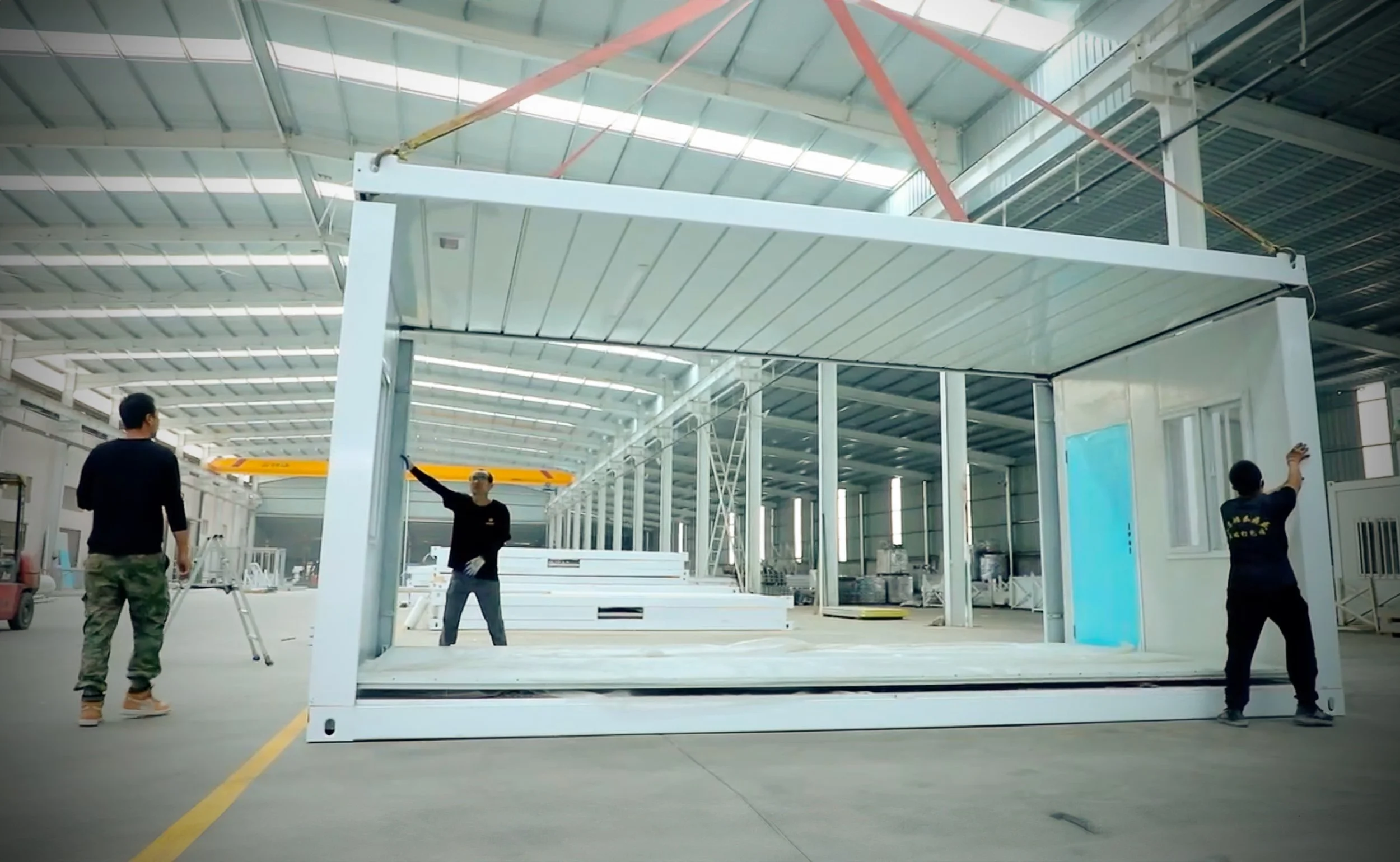
Prefahb.co proudly introduces the new 2026 "Model Z201" — our innovative folding shipping container dwelling designed for convenience and effortless living, with prices starting at $5,950 USD. Available in a single 20' configuration, this adaptable folding micro-home provides a comfortable living space beginning at approximately 180 square feet. The Model Z201 comes equipped with fully operational plug-and-play international USB electrical outlets and integrated interior lighting. To further enhance the space, buyers can choose optional upgrade packages such as "The Green Package," which includes a planted green/garden roof and a circular staircase for easy rooftop access, or "The Nomadic Package," featuring an outdoor fireplace, covered deck, and an integrated solar panel system. With RV 220 plug-in capability and standard water hookups, this unit is tailored to individuals pursuing a nomadic or off-grid lifestyle, delivering a compact, mobile, and self-sufficient housing solution from Prefahb.co.
Model Z201 Folded Container House — a compact, modern dwelling thoughtfully crafted for efficient living and stylish comfort. Quick and simple to set up at virtually any location within hours, it arrives ready with international electrical outlets, convenient USB plugs, and integrated lighting throughout. The design also features insulating eco-composite glass windows and doors for improved energy efficiency, enhanced acoustic performance, and comfortable year‑round living.
The "Model Z201" units are ideal for compact backyard offices, worker living quarters, temporary housing solutions, or comfortable guest rooms. These units offer expedited temporary living spaces that can be stacked and folded flat for efficient packing and easy mobility.
Begin your "Model Z201" purchase with a fully refundable deposit to reserve your place in the production schedule. After the initial "site evaluation," we'll work together to determine whether to proceed with the order. If you decide to cancel following the "site evaluation," we will promptly return your reservation deposit in full.
FEATURES & OPTIONS
Clients have the option to upgrade the base model of the Model Z201, which starts at $5,950 USD, by selecting from The Nomadic and The Green Packages. The Nomadic Package offers a 220V RV plug-in, a Roof Solar System, and an outdoor wood-burning fire stove for greater off-grid capability, while The Green Package features a spiral rooftop stairway and a Green Garden Rooftop System to enhance sustainability and living space. Clients can easily tailor these packages to suit their individual needs and lifestyle preferences.
The exterior is built from a single 20' foldable, mobile shipping container, offering compact portability and flexible site placement.
Flexible, customizable interior upgrade packages are available to tailor the space to your needs.
Enhancement packages designed for compact, stackable building-site units for living spaces are available.
Pricing:
Our team is dedicated to providing competitive, itemized quotes based on the estimates from your order. Once we receive your online refundable reservation deposit, we can collaborate with you to create an accurate itemized price quote that fits your budget, utilizing information from a site installation assessment evaluation. If our price quote doesn't align with your budget, we will promptly refund your deposit. Moreover, if the deposit is approved, it can also be credited towards your Model and/or accessory purchase. Kindly note that shipping times and costs are subject to change.
The Process:
Upon receiving your refundable deposit, the Prefahb.co team will engage with you to discuss your order. We will carefully assess your site evaluation as per the chosen Model and determine the subsequent steps. It's important to note that site evaluations are customized for each unique building site. Once this assessment is finalized and precise estimates for site building installation, shipping, and model upgrade packages are determined, they will be integrated into an itemized quote. Upon confirmation of the itemized quote, a 50% nonrefundable deposit is required to initiate the construction of your model. As the model is readied for shipping to the building site, the remaining 40% balance will be due. Upon receipt of delivery, the final 10% balance is immediately.
Another compact ADU solution is the Model Z201, a folding container-based micro-home designed for convenience and rapid installation.
Unlike traditional construction, this design arrives as a prefabricated structure that can be deployed quickly on site.
Features of this model include:
compact living space of approximately 180 square feet
integrated lighting and electrical outlets
plug-and-play utility connections
energy-efficient insulated windows and doors
Small modular homes like the Z201 demonstrate how modern prefabricated structures can provide flexible backyard housing solutions.
Interior Design Ideas for Small ADUs
Interior design plays a major role in making small ADUs comfortable and functional.
Since space is limited, thoughtful planning is essential. Some common design strategies include:
multifunctional furniture such as Murphy beds
built-in storage cabinets
open-plan layouts to maximize visual space
large windows for natural lighting
These strategies are commonly used in modern modular homes inside designs to make smaller living spaces feel larger and more inviting.
Cost Considerations for Small ADUs
The cost of building a small ADU depends on several factors.
Important cost elements include:
construction method (prefab vs traditional)
site preparation and foundation
plumbing and utility connections
interior finishes and appliances
transportation and installation
While small ADUs are generally more affordable than larger secondary homes, total costs can vary significantly depending on design complexity.
For a detailed breakdown of pricing factors, you can explore the guide on modular home cost.
Prefab Small ADU Plans vs Traditional Construction
Many homeowners today prefer prefabricated ADUs instead of traditional construction methods.
Prefabricated ADU Advantages
faster installation timelines
factory-controlled quality
predictable construction costs
reduced on-site labor
Traditional Construction Challenges
longer build times
higher labor coordination requirements
greater risk of budget overruns
Prefab modular ADUs simplify the building process while still providing durable residential structures.
How to Choose the Right Small ADU Plan
Selecting the right ADU plan requires evaluating several practical considerations.
Homeowners should consider:
available backyard space
intended purpose of the ADU
privacy between the ADU and main house
budget and long-term maintenance
potential future expansion
Planning these factors in advance helps ensure the ADU remains functional and valuable for years to come.
Why Small ADU Plans Are Ideal for Modern Housing
Small ADU plans offer a practical approach to expanding residential space without major construction projects.
Key advantages include:
efficient use of limited land
flexible living arrangements
potential rental income
faster construction timelines
adaptable modular housing options
These benefits explain why compact backyard homes are becoming increasingly popular in modern housing markets.
Frequently Asked Questions About Small ADU Plans
What is the smallest size for an ADU?
Many small ADUs range from about 200 to 400 square feet, although local regulations may vary.
Can a small ADU have a full kitchen?
Yes. Compact kitchens with efficient appliances are commonly included in small ADU designs.
Are small ADUs good for rental properties?
Yes. Studio ADUs are often used as rental units or guest accommodations.
Do ADUs require building permits?
In most locations, permits and inspections are required before construction.
Are prefab ADUs cheaper than traditional builds?
Prefabricated ADUs often reduce labor costs and construction timelines, making them a cost-efficient option.
Final Thoughts
Small ADU plans provide homeowners with an efficient way to add living space while maximizing the potential of existing property. Whether used as guest houses, rental units, or home offices, compact backyard homes offer flexible housing solutions for modern living.
With thoughtful design and modular construction techniques, even small structures can deliver comfortable, functional living environments that adapt to changing needs.