
How to Build a Container House Step by Step Guide
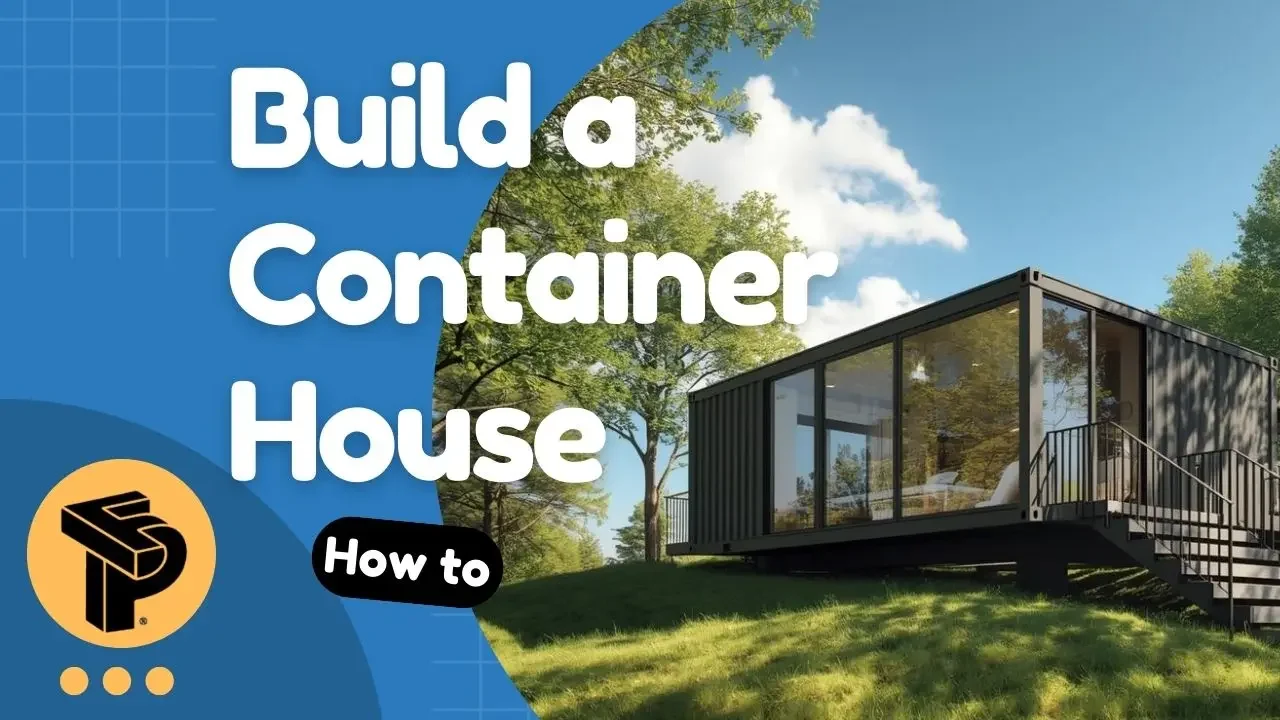
Shipping container homes have gained massive popularity in recent years. Their modern aesthetic, structural strength, and modular flexibility make them an attractive alternative to traditional housing. It’s no surprise that many people search for how to build a container house with the intention of starting their own project.
However, building a container house involves far more than simply purchasing a steel box and adding windows. It requires planning, engineering, budgeting, and careful execution.
This step-by-step guide walks you through the complete process, from early planning to final inspection, while also helping you understand when working with an experienced builder like Prefahb.co may save time, cost, and risk.
Step 1: Planning Your Container House Project
Every successful container home begins with a clear plan.
Start by defining your purpose:
Primary residence
Backyard ADU
Rental property
Resort cabin
Studio or office
Next, determine:
How many containers you need
Desired square footage
Budget range
Site location
Local zoning and building codes
Building codes vary widely by region. Some municipalities require engineering approval, structural calculations, and specific insulation standards.
Underestimating this early planning phase often leads to costly redesigns later.
Step 2: Choosing the Right Shipping Containers
Selecting the correct container is critical.
Size Options
20-foot container
40-foot container
High cube (taller ceiling height)
High cube containers are often preferred for residential builds because they provide more comfortable interior ceiling heights after insulation is installed.
New vs Used
New (“one-trip”) containers offer better structural integrity.
Used containers are cheaper but may require repairs.
Always inspect for:
Rust or corrosion
Structural dents
Floor contamination
Frame damage
Choosing the wrong container can significantly increase renovation costs.
Step 3: Designing the Layout and Floor Plan
Once the container is selected, layout planning begins.
Consider:
Single-container vs multi-container layout
L-shaped or stacked designs
Window and door placement
Plumbing zones
Electrical routing
Because containers have fixed dimensions, efficient design is crucial. If you’re looking for layout inspiration, reviewing various container house design approaches can help visualize what’s possible.
Thoughtful design at this stage prevents structural issues during modification.
Step 4: Preparing the Site and Foundation
Before your container arrives, the land must be prepared.
This may include:
Land clearing
Leveling
Installing drainage
Pouring a concrete slab
Pier or strip foundation setup
Proper foundation work ensures structural stability and protects against moisture damage. In many cases, foundation and utility preparation represent a significant portion of the total project cost.
Step 5 Structural Modifications and Reinforcement
Containers are designed to carry weight at their corners. When you cut into the steel walls to add windows or doors, structural integrity must be reinforced.
This stage includes:
Cutting openings
Welding reinforcement frames
Adding structural beams if stacking
Roof modifications (if required)
Improper reinforcement can compromise safety. This is one of the most technical stages of the build and often requires professional welding and engineering expertise.
Step 6: Installing Utilities and Interior Systems
With structural modifications complete, the next phase involves interior systems.
This includes:
Electrical wiring
Plumbing installation
HVAC systems
Insulation
Interior framing
Drywall and finishes
Insulation is especially critical. Steel conducts heat and cold, so proper insulation ensures comfort year-round.
As explored in modern modular homes inside design strategies, interior efficiency and layout planning make a significant difference in how spacious a container home feels.
Step 7 Exterior Finishing and Weatherproofing
Exterior finishing transforms a steel container into a residential structure.
Common finishing elements include:
Cladding (wood, composite, or metal panels)
Waterproof coatings
Roofing systems
Deck additions
Corrosion protection
Proper weatherproofing protects against rust, moisture infiltration, and long-term deterioration.
Step 8 Inspection, Permits, and Final Approval
Before occupancy, most regions require:
Structural inspection
Electrical and plumbing inspection
Final building approval
Occupancy permit
Skipping or delaying permit approvals can result in fines or forced modifications.
How Much Does It Cost to Build a Container House?
The cost to build a container house varies widely based on:
Container price
Structural modifications
Insulation quality
Interior finishes
Foundation work
Labor costs
Location
DIY builds may appear affordable at first, but hidden costs often accumulate. For a deeper breakdown of pricing factors, see our complete modular home cost guide.
At Prefahb.co, fully engineered modular container-based units begin at $4,950 USD, offering a predictable alternative to complex DIY builds.
Common Mistakes to Avoid
Many first-time builders underestimate the complexity of container construction.
Common mistakes include:
Ignoring local building codes
Underestimating structural reinforcement needs
Skipping proper insulation
Poor ventilation planning
Budget miscalculations
Choosing low-quality used containers
Avoiding these errors can save significant time and expense.
DIY vs Hiring a Professional Builder
While DIY construction may reduce upfront labor costs, it also introduces risks.
DIY Approach
Lower initial cost
Longer timeline
High responsibility for compliance
Greater risk of mistakes
Professional Builder
Higher upfront investment
Faster project completion
Engineered structural integrity
Permit and compliance support
Predictable budgeting
For many homeowners and developers, working with a specialized container builder ensures smoother execution.
Why Work With Prefahb.co
Building a container house involves multiple complex stages, from structural engineering to finishing and inspections. Prefahb.co simplifies this process by offering:
Factory-built modular container systems
Precision structural modifications
Integrated utilities before delivery
Upgrade packages for sustainability and lifestyle enhancements
Scalable models for small or large projects
Instead of coordinating multiple contractors and navigating compliance challenges alone, clients can rely on a streamlined, professionally engineered solution.
If you want to avoid costly mistakes and reduce construction uncertainty, partnering with an experienced container home provider like us can significantly improve outcomes.
Frequently Asked Questions
Is building a container house cheaper than a traditional home?
It can be, depending on size and finishes. However, structural reinforcement and insulation costs must be considered.
How long does it take to build?
DIY projects may take several months. Prefabricated solutions can significantly shorten timelines.
Do I need a building permit?
Yes, in most regions, container homes require permits and inspections.
Can containers be stacked?
Yes, but stacking requires proper structural engineering.
Is insulation necessary?
Absolutely. Without proper insulation, temperature regulation becomes difficult.
Final Thoughts
Learning how to build a container house reveals that the process involves detailed planning, engineering expertise, and careful budgeting. While DIY construction is possible, the structural and regulatory complexity often leads many homeowners to seek professional support.
Container homes offer incredible potential, but success depends on executing each stage correctly. For those seeking efficiency, reliability, and scalable design, working with an experienced modular container provider offers a clear advantage.