
Container Home Designs Explained From Studio to Multi-Container Homes
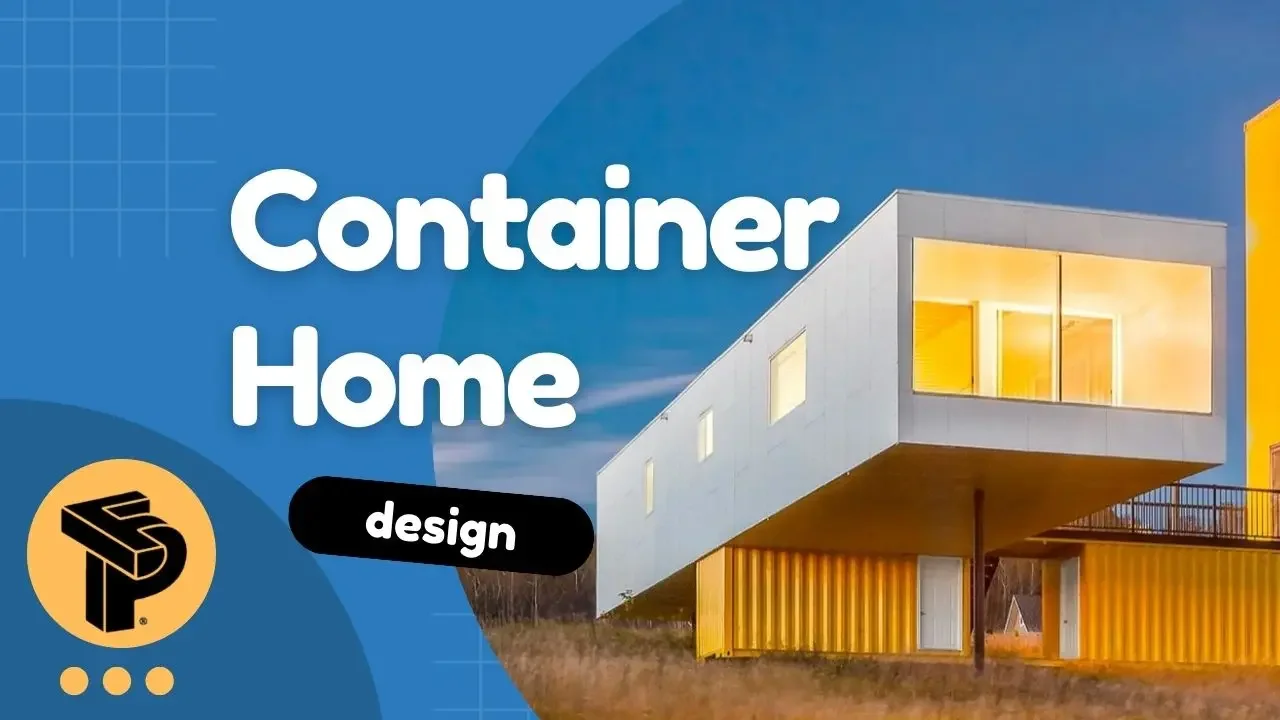
Container homes have become one of the most innovative approaches to modern housing. What began as an experimental architectural trend has now evolved into a practical and scalable residential solution. Today, container home designs range from compact studio layouts to spacious multi-container residences that rival traditional houses in comfort and functionality.
One of the main advantages of container housing is flexibility. A container structure can be adapted to many different layouts depending on how many units are used and how they are arranged. Companies like Prefahb.co specialize in container-based housing models that allow homeowners and developers to choose designs that match their space, lifestyle, and long-term plans.
In this guide, we explore different container home design layouts and how each configuration supports modern living.
What Defines a Good Container Home Design?
A successful container home design is not just about aesthetics, it also involves efficient spatial planning and smart architectural decisions.
Key design principles include:
Efficient use of interior space
Proper natural lighting through windows and glass doors
Functional zoning between living and sleeping areas
Effective ventilation and insulation systems
Flexibility for future expansion
Because container homes are often part of the broader modular home concept, they benefit from modular planning. This allows structures to grow and adapt as needs change.
Studio Container Home Designs
Studio-style container homes are one of the most efficient ways to use a single container. This layout is typically designed as an open-plan living space where multiple functions share the same area.
A studio container design often includes:
Open living and sleeping area
Compact kitchenette along one wall
Full bathroom at one end
Multipurpose furniture such as Murphy beds or foldable desks
Studio layouts are ideal for:
Backyard guest houses
Small rental units
Remote work studios
Minimalist living spaces
Models like the B201 from Prefahb.co illustrate how a single container can become a fully functional living environment.
One-Bedroom Container Home Designs
A one-bedroom container home offers more privacy and separation between living areas. Instead of an open studio layout, the design divides the container into functional zones.
Typical layout components include:
Separate bedroom section
Living area or lounge space
Kitchenette or compact kitchen
Bathroom with shower
This design works well for couples or individuals who want a small but comfortable primary residence.
Models such as the P201 offer this type of design by incorporating features like built-in sleeping areas, workspaces, and efficient kitchen layouts.
Two-Container Home Designs
Combining two containers significantly expands the possibilities for container home designs. The most common configuration places containers side-by-side, creating a wider interior floor plan.
Benefits of a two-container design include:
Larger living room space
Clear separation between bedrooms and living areas
More natural lighting with additional window placements
Improved circulation inside the home
Two-container designs are popular for vacation homes, rental properties, and compact family residences.
The P202 model demonstrates how combining two containers can produce a comfortable micro-home with expanded interior functionality.
Multi-Container Family Home Designs
For homeowners who need more space, multi-container layouts allow container homes to scale into full residential houses.
Common configurations include:
Three or four containers arranged around a central living area
Two-story stacked designs
Homes with multiple bedrooms and bathrooms
Integrated decks and outdoor spaces
Large container homes can easily exceed 1,000 square feet when multiple units are combined.
The R404 model is an example of a large container residence that combines four containers into a spacious two-story home with multiple bedrooms and decks.
Container Home Designs for Rental and Resort Projects
Container home designs are also widely used for hospitality and rental developments.
Developers often choose container-based housing for:
Eco resorts
Vacation rentals
Remote cabins
Guest houses
Because container structures can be expanded gradually, many developers begin with a few units and grow the project over time. This concept aligns closely with the idea of expandable container homes, where additional modules are added as demand increases.
Interior Planning in Container Home Designs
Interior planning is one of the most important aspects of container home design. Since container dimensions are fixed, every square foot must be used effectively.
Common interior strategies include:
Open-plan layouts to avoid cramped spaces
Built-in furniture for storage efficiency
Murphy beds and fold-down desks
Compact kitchens with integrated appliances
Efficient bathroom layouts
These interior strategies are explored in more detail in modular homes inside design approaches, where careful planning transforms small spaces into comfortable living environments.
Container Home Designs Based on Container Size
Container home designs also vary depending on container size.
20 ft Container Homes
Compact and efficient
Ideal for studios or offices
Lower construction costs
40 ft Container Homes
Larger interior space
Suitable for full residential layouts
Better zoning between rooms
For homeowners seeking more spacious designs, a 40 ft container home often provides the best balance between size and efficiency.
Cost Factors in Container Home Designs
The total cost of a container home depends on several factors.
These include:
Number of containers used
Structural modifications and reinforcement
Interior finishes and appliances
Foundation and utility connections
Transportation and installation
Entry-level container units may be relatively affordable, while larger multi-container homes can reach higher price ranges depending on design complexity.
For a deeper breakdown of pricing variables, the modular home cost guide explores budgeting considerations in greater detail.
Choosing the Right Container Home Design
Selecting the right container home design depends on several factors:
Your primary purpose (residence, rental, office, or retreat)
Available land size
Desired square footage
Budget and expansion plans
Local building regulations
Planning ahead ensures the design can accommodate future changes without requiring major structural modifications.
Why Prefahb.co Offers Versatile Container Home Designs
Prefahb.co develops container housing models that emphasize flexibility, functionality, and scalable architecture. Their designs range from compact single-container units to large multi-container residences.
Key advantages include:
Modular layouts that support future expansion
Efficient interior planning
Durable container-based structures
Upgrade packages for sustainability and comfort
This approach allows homeowners and developers to select designs that fit their current needs while remaining adaptable for the future.
Frequently Asked Questions About Container Home Designs
What is the most efficient container home design?
Studio and one-bedroom layouts are often the most efficient for single containers.
Can container homes have multiple bedrooms?
Yes. Multi-container configurations can support multiple bedrooms and bathrooms.
Are container homes customizable?
Yes. Layouts, finishes, and features can be customized depending on the builder.
How many containers can be combined?
There is no strict limit, although structural engineering requirements increase as designs become larger.
Are container homes suitable for rental properties?
Yes. Many developers use container homes for vacation rentals, guest houses, and eco-resorts.
Final Thoughts
Container home designs offer a remarkable level of flexibility compared to traditional housing. Whether built from a single container or expanded into a multi-unit residence, container homes provide adaptable layouts suited to a wide range of lifestyles and property uses.
From compact studio units to spacious multi-container homes, modern container housing continues to demonstrate how smart design and modular construction can transform industrial structures into comfortable, contemporary living spaces.