
Creative Expandable Container Homes for Modern Architecture
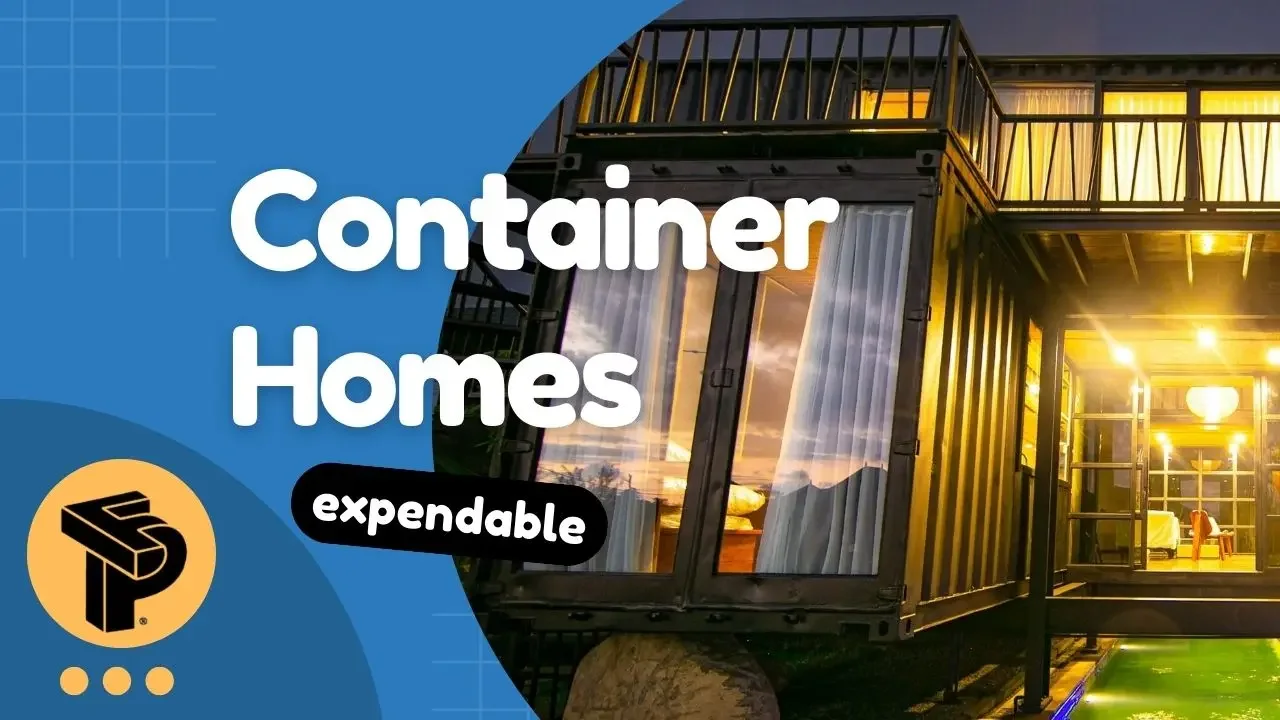
Housing needs change over time. A small home that works today may feel limiting in the future as families grow, businesses expand, or property owners look to increase rental capacity. This is why expandable container homes are becoming increasingly popular.
Unlike traditional houses that require expensive renovations to add new rooms, container homes can grow in a modular way. Owners can start with a single container unit and expand later by adding additional modules. This approach creates a scalable housing system that adapts to changing needs without requiring a complete rebuild.
Companies such as Prefahb.co specialize in container-based housing solutions designed with this flexibility in mind. Through modular architecture, container homes can expand from compact living spaces into full multi-container residences.
What Are Expandable Container Homes?
Expandable container homes are residential structures designed to increase in size by adding additional container modules over time. Instead of demolishing walls or undertaking major structural renovations, homeowners simply integrate additional containers into the existing layout.
It’s important to distinguish between two types of expandable container concepts:
Mechanical expandable containers
These are folding or sliding container systems where walls extend outward.
Modular expandable container homes
These homes grow by adding new container modules to the existing structure.
Most high-quality residential container homes follow the second approach. Modular expansion offers stronger structural integrity, greater design flexibility, and better long-term durability.
Within the broader modular home category, expandable container homes provide one of the most adaptable construction strategies available today.
Why Expandable Container Homes Are Becoming Popular
Several factors are driving the popularity of expandable container housing.
Flexible Growth
Homeowners can begin with a smaller structure and expand later as their needs evolve.
Lower Initial Investment
Starting with a single container reduces the upfront cost of entering the housing market.
Phased Development
Property developers can build projects in phases instead of committing to large construction budgets immediately.
Rental and Hospitality Opportunities
Expandable container homes are ideal for resort cabins, vacation rentals, and guest accommodations that may grow over time.
Efficient Land Use
Containers allow owners to add new modules without redesigning the entire property.
This adaptability makes expandable container homes attractive for both residential buyers and investors.
How Expandable Container Homes Work
Expandable container homes follow a modular development approach. Instead of building everything at once, the home evolves through stages.
Step 1: Start With a Single Container
The project may begin with a compact unit that includes essential living spaces such as a bedroom, kitchenette, and bathroom.
Step 2: Add Additional Modules
When more space is needed, another container can be placed beside the existing unit to expand the living area.
Step 3: Connect Containers Into Larger Layouts
Multiple containers can be joined together to create larger open-plan interiors.
Step 4: Stack Containers for Vertical Expansion
Containers can also be stacked vertically to create two-story homes.
Step 5: Expand Outdoor Living Areas
Decks, terraces, and covered outdoor spaces can be integrated to increase functional living space.
This phased approach allows homeowners to grow their property gradually rather than committing to a large construction project from the beginning.
Expandable Layout Ideas for Container Homes
Expandable container homes support a variety of architectural layouts.
Single Container Starter Home
A single container can function as a studio-style living space with a small kitchen and bathroom.
Two-Container Expansion
Adding a second container dramatically increases interior space and allows for separate living and sleeping zones.
L-Shaped Layout
Two containers arranged in an L-shape can create a private outdoor courtyard.
Multi-Container Residence
Three or more containers can form full residential homes with multiple bedrooms and spacious living areas.
Many of these layout ideas are explored in modern container house design concepts, where architecture focuses on maximizing natural light and spatial efficiency.
Interior Flexibility in Expandable Container Homes
Interior design plays an important role in expandable container homes. Flexible layouts allow spaces to adapt as the home grows.
Key interior features often include:
Open-plan living areas
Built-in storage systems
Multi-functional furniture
Integrated kitchenettes
Modular wall systems
These interior strategies help maintain comfort even in compact spaces. As discussed in modular homes inside design approaches, thoughtful interior planning ensures that container homes remain comfortable and visually appealing regardless of size.
Expandable Container Home Models by Prefahb.co
Several Prefahb models illustrate how container homes can evolve from compact units into larger residential structures.
Model B201
Model B201 serves as an ideal starting point for expandable container living. Built from a single knock-down container, this model provides a compact space suitable for:
Backyard offices
Guest rooms
Art studios
Small residential units
Because of its modular nature, additional containers can later be added to expand the living space.
Model P201
Model P201 offers a high cube container configuration with an integrated bump-out design that expands interior functionality.
Key features include:
Murphy bed sleeping area
Fold-down desk workspace
Compact kitchenette
Full bathroom
The design works well as a standalone unit or as the base for a larger multi-container expansion.
Model P202
Model P202 demonstrates how expandable container homes evolve beyond a single module. Built from two 20-foot containers, this design provides approximately 360 square feet of living space.
The layout includes:
Dedicated sleeping area
Workspace
Kitchenette
Full bathroom
This model illustrates the next step in container home expansion.
Model R404
Model R404 represents a full-scale expandable container residence. Built using four high cube containers, the design creates a spacious two-story home with over 1,200 square feet of living space.
Highlights include:
Three bedrooms
Full kitchen and wet bar
Multiple decks
Luxurious master bathroom
This model shows how modular expansion can transform a simple container concept into a sophisticated residential property.
Cost Considerations for Expandable Container Homes
Expandable container homes offer a unique financial advantage: the ability to build gradually.
Instead of investing in a large home immediately, owners can start with a smaller unit and expand later.
Cost factors include:
Number of containers used
Interior finishes
Structural modifications
Foundation and utilities
Transportation and installation
At Prefahb.co, container-based modular models start at $4,950 USD for compact units, allowing buyers to enter the market at a relatively accessible price point.
For a more detailed breakdown of pricing considerations, our modular home cost guide explains the major budgeting factors involved.
Expandable Container Homes vs Traditional Home Expansion
Traditional home expansions often involve:
Demolition work
Structural reinforcement
Long construction timelines
High renovation costs
Expandable container homes offer a different approach. Instead of altering the existing structure, new modules can simply be added.
Benefits include:
Faster installation
Reduced disruption
Predictable construction costs
Flexible architectural growth
This modular approach simplifies long-term housing development.
Who Should Consider Expandable Container Homes?
Expandable container homes are particularly attractive for:
Homeowners planning long-term growth
Developers building phased housing projects
Resort owners expanding guest accommodations
Property investors creating rental units
Individuals seeking adaptable off-grid housing
The modular nature of container construction allows each project to evolve as needs change.
Why Choose Prefahb.co for Expandable Container Homes
Prefahb.co designs container homes with scalability and flexibility in mind. Their approach combines modular construction with container structural strength to create adaptable housing solutions.
Advantages include:
Modular designs that support future expansion
Factory-controlled production quality
Upgrade packages for sustainability and comfort
Multiple container configurations ranging from compact units to large residences
By planning expansion from the beginning, Prefahb models help homeowners and developers build housing systems that grow with their needs.
Frequently Asked Questions
Can container homes really be expanded later?
Yes. Additional containers can be integrated into the original structure to increase living space.
How many containers can be combined?
There is no strict limit, although engineering requirements increase with larger structures.
Is modular expansion expensive?
It can be more cost-efficient than traditional home renovations.
Can containers be stacked safely?
Yes, when properly engineered and reinforced.
Should expansion be planned in advance?
Yes. Designing the initial layout with future expansion in mind makes later additions easier.
Final Thoughts
Expandable container homes offer a flexible alternative to traditional housing. By using modular container architecture, homeowners can start with a compact unit and expand gradually as their needs evolve.
From starter units like Model B201 to large multi-container residences such as Model R404, scalable container housing demonstrates how modern architecture can combine adaptability, efficiency, and structural strength in a single system.