
Solar Prefab Homes Design Ideas and Cost Guide
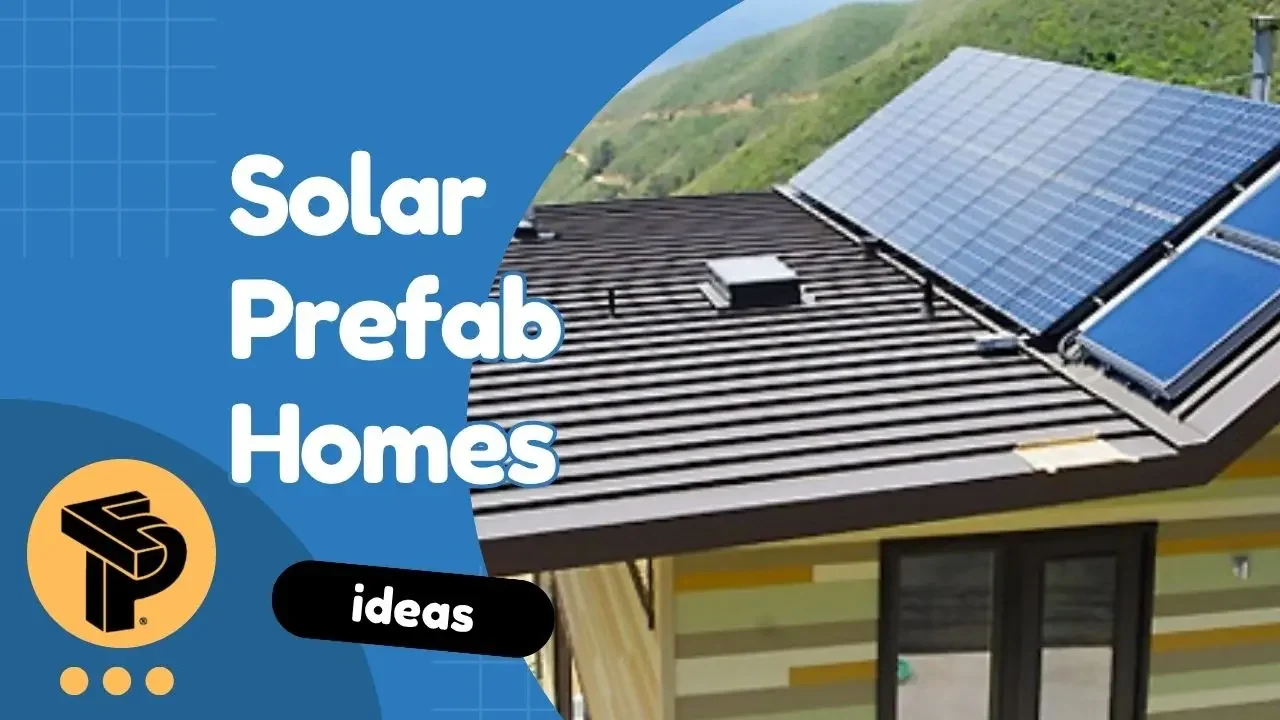
Solar energy is becoming one of the most practical solutions for modern housing. Rising energy costs and the demand for sustainable living have pushed many homeowners to explore smarter ways to power their homes.
Solar prefab homes combine efficient construction with renewable energy systems, allowing homeowners to reduce reliance on traditional power sources. These homes are designed to be both energy-efficient and adaptable, making them suitable for a wide range of environments, from urban backyards to remote landscapes.
To understand how prefab construction works in general, you can explore prefab homes, where the building process and advantages are explained.
What Are Solar Prefab Homes?
Solar prefab homes are prefabricated housing units equipped with solar energy systems that generate electricity for daily use.
These homes typically include:
solar panels
battery storage systems
energy-efficient appliances
optimized insulation and layout
Unlike standard homes, solar prefab homes are designed to minimize energy consumption while maximizing renewable energy use.
Why Solar Prefab Homes Are Growing in Popularity
Several factors are driving interest in solar-powered prefab housing.
Lower Energy Costs
Solar systems reduce or eliminate monthly electricity bills.
Energy Independence
Homeowners can generate their own power, reducing reliance on external utilities.
Environmental Benefits
Using renewable energy lowers carbon footprint and supports sustainable living.
Compatibility with Modern Lifestyles
Solar prefab homes align with trends such as remote living, off-grid setups, and minimalist housing.
Key Features of Solar Prefab Homes
Integrated Solar Systems
Solar panels are installed on roofs or nearby structures to capture energy efficiently.
Battery Storage
Energy storage systems ensure power availability even when sunlight is limited.
Energy-Efficient Design
Homes are designed to reduce energy consumption through:
proper insulation
natural ventilation
efficient layouts
Smart Energy Management
Some systems allow monitoring and optimization of energy usage.
Types of Solar Prefab Homes
Tiny Solar Homes
Compact units designed to operate efficiently with minimal energy use.
You can explore similar compact concepts in tiny prefab homes, where efficiency is a key focus.
Solar Cabin Homes
Designed for nature-based living, often used in remote or off-grid locations.
See prefab cabin homes for examples of cabin-style layouts.
Modular Solar Homes
Expandable homes that integrate solar systems into larger residential designs.
Container-Based Solar Homes
Durable and scalable, combining container structures with solar energy systems.
These are explored in container homes, where modular construction is explained.
Cost of Solar Prefab Homes
Solar prefab homes vary in cost depending on size and system capacity.
Typical ranges:
small solar units: $10,000 – $60,000
mid-size homes: $60,000 – $150,000
large solar homes: $150,000 – $300,000+
Additional costs may include:
solar panels and installation
battery systems
maintenance
For more general pricing, you can explore prefab homes cost and container home cost.
Example Solar Prefab Homes Based on Real Models
Real-world examples help illustrate how solar systems are integrated into prefab homes. Here are solutions from Prefahb.co.
Compact Solar Units (BT201)
ideal for: temporary or remote living
features: lightweight structure, optional solar integration
This type of unit works well for low-energy lifestyles.
Flexible Solar Cabins (S201)
ideal for: backyard homes, remote cabins
features: integrated solar system options, fireplace, modular upgrades
This model offers a balance between energy independence and comfort.
Full Solar Homes (A2030)
ideal for: long-term living
features: insulated structure, durable materials, energy-efficient systems
These homes are designed for full residential use with renewable energy support.
Exploring real models can help you better understand how solar systems fit into different types of prefab homes.
Best Use Cases for Solar Prefab Homes
Off-Grid Living
Solar systems enable full independence from traditional power grids.
Remote Locations
Ideal for areas without reliable electricity access.
Sustainable Housing
Supports eco-friendly lifestyles and reduced environmental impact.
Backyard Energy-Efficient Units
Perfect for adding self-sufficient living spaces.
Pros and Cons of Solar Prefab Homes
Advantages
reduced energy costs
energy independence
environmentally friendly
flexible installation
Limitations
higher upfront cost
dependence on sunlight
system maintenance required
How to Plan a Solar Prefab Home
To build a successful solar prefab home:
evaluate your energy needs
choose the right solar system size
consider battery storage capacity
select an energy-efficient design
plan installation and maintenance
Proper planning ensures consistent performance and reliability.
Frequently Asked Questions
Can prefab homes run entirely on solar power?
Yes, with sufficient solar capacity and battery storage.
Are solar prefab homes expensive?
Initial costs can be higher, but long-term savings are significant.
How long do solar panels last?
Typically 20–25 years with proper maintenance.
Do solar prefab homes work in cloudy areas?
Yes, but efficiency may vary depending on sunlight availability.
Final Thoughts
Solar prefab homes offer a practical and forward-thinking approach to modern living. By combining efficient construction with renewable energy, these homes provide flexibility, sustainability, and long-term savings.
From compact units to full residential homes, solar-powered prefab solutions continue to grow as more people seek energy-efficient and independent living options.