
Eco Friendly Prefab Homes That Combine Sustainability and Comfort
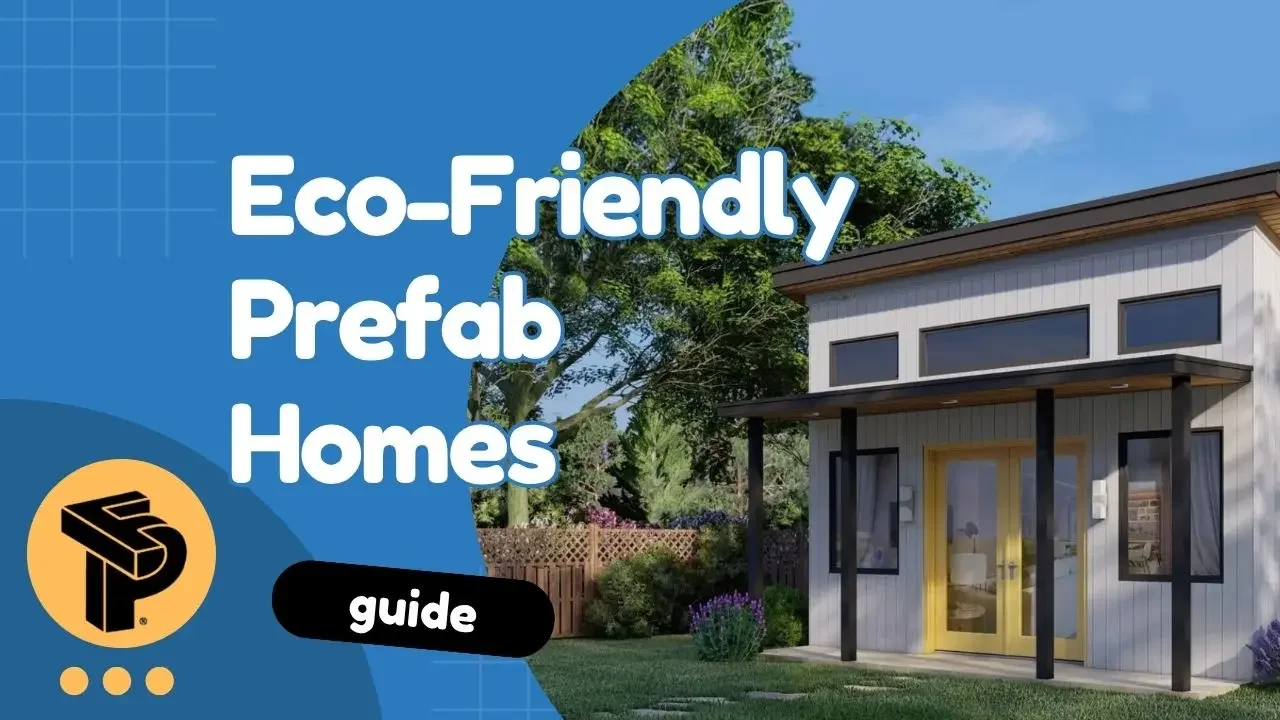
Sustainable living is becoming a priority for many homeowners who want to reduce environmental impact without sacrificing comfort. Eco-friendly prefab homes provide a practical solution by combining efficient construction with environmentally conscious design.
These homes are built using materials and systems that minimize waste, reduce energy consumption, and support long-term sustainability. From compact living spaces to full residential homes, eco-friendly prefab solutions offer flexibility for modern lifestyles.
To understand how prefab construction works, you can explore prefab homes, where off-site building methods are explained in detail.
What Are Eco Friendly Prefab Homes?
Eco-friendly prefab homes are prefabricated structures designed to reduce environmental impact throughout their lifecycle.
They typically focus on:
sustainable materials
energy efficiency
reduced construction waste
lower carbon footprint
Unlike traditional homes, prefab construction already reduces material waste due to factory-controlled processes.
Why Eco Friendly Prefab Homes Are Growing in Popularity
Several factors contribute to their increasing demand.
Environmental Awareness
More homeowners are prioritizing sustainability and reducing their carbon footprint.
Energy Efficiency
Eco-friendly homes are designed to use less energy through better insulation and smart layouts.
Lower Long-Term Costs
Reduced energy consumption leads to lower utility bills over time.
Alignment with Modern Lifestyles
Sustainable housing aligns with trends such as minimalism, off-grid living, and renewable energy use.
Key Features of Eco Friendly Prefab Homes
Sustainable Materials
Common materials include:
recycled wood
composite materials
low-impact construction materials
Energy-Efficient Design
Homes are designed to reduce energy use through:
proper insulation
natural ventilation
efficient layouts
Renewable Energy Integration
Many eco-friendly homes include solar systems.
You can explore this further in solar prefab homes, where renewable energy integration is discussed.
Water Efficiency Systems
These may include:
rainwater collection
low-flow fixtures
water recycling systems
Types of Eco Friendly Prefab Homes
Tiny Eco Homes
Compact homes designed to minimize resource use.
You can explore similar ideas in tiny prefab homes, where efficiency is a key focus.
Cabin-Style Eco Homes
Designed for natural environments with minimal environmental impact.
See prefab cabin homes for examples of nature-based living.
Modular Eco Homes
Expandable homes that adapt to changing needs.
Container-Based Eco Homes
Reusing shipping containers reduces material waste.
These are explored in container homes, where modular container construction is explained.
Cost of Eco Friendly Prefab Homes
Eco-friendly homes can vary in cost depending on materials and systems.
Typical ranges:
small eco homes: $10,000 – $60,000
mid-size homes: $60,000 – $150,000
large eco homes: $150,000 – $300,000+
While initial costs may be higher, long-term savings often offset the investment.
For more pricing insights, see prefab homes cost.
Example Eco Friendly Prefab Homes Based on Real Models
Real-world examples help illustrate how sustainability is applied in prefab housing. Here are models from Prefahb.co.
Lightweight Eco Units (BT201)
ideal for: low-impact living, temporary setups
features: compact design, minimal material use
This model is suitable for reducing environmental footprint.
Sustainable Cabin Units (S201)
ideal for: backyard living, remote cabins
features: eco material options, solar integration
These homes balance sustainability with comfort.
Eco Residential Homes (A2030)
ideal for: long-term living
features: insulated structure, durable materials, efficient design
This type of home combines sustainability with modern residential comfort.
Exploring real prefab solutions helps you understand how eco-friendly features can be applied in different types of homes.
Best Use Cases for Eco Friendly Prefab Homes
Sustainable Living
Designed for homeowners who prioritize environmental responsibility.
Off-Grid Living
Eco homes often integrate renewable energy and independent systems.
Remote Locations
Suitable for areas where traditional infrastructure is limited.
Rental and Eco-Tourism
Eco-friendly homes are popular for sustainable tourism and rental properties.
Pros and Cons of Eco Friendly Prefab Homes
Advantages
reduced environmental impact
lower energy consumption
long-term cost savings
flexible design options
Limitations
higher upfront cost
limited material availability in some areas
requires careful planning
How to Choose an Eco Friendly Prefab Home
Consider these factors:
sustainability goals
budget
location
energy needs
long-term usage
Choosing the right combination of materials and systems ensures optimal performance.
Frequently Asked Questions
Are eco-friendly prefab homes more expensive?
They can have higher upfront costs but offer long-term savings.
Can prefab homes be fully sustainable?
Yes, with the right materials and systems.
Do eco homes require special maintenance?
Maintenance depends on materials and systems used.
Are eco prefab homes suitable for full-time living?
Yes, many are designed for permanent residential use.
Final Thoughts
Eco-friendly prefab homes offer a practical path toward sustainable living. By combining efficient construction with environmentally conscious design, these homes provide a flexible and future-ready housing solution.
From compact units to full residential homes, eco-friendly prefab solutions continue to grow as more people seek to live in a way that balances comfort and sustainability.