
Off-Grid Prefab Homes for Sustainable, Independent, and Modern Living
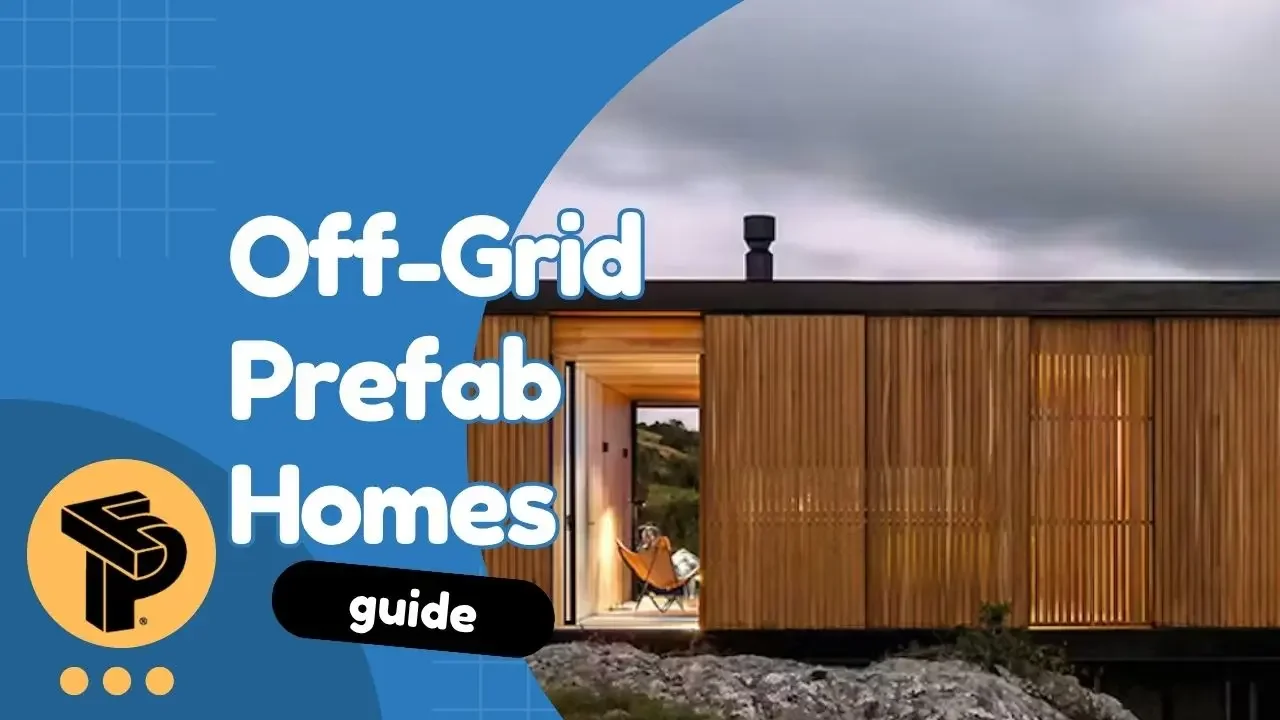
Living off the grid is no longer just an alternative lifestyle, it has become a practical solution for those seeking independence, sustainability, and flexibility. Off-grid prefab homes make this transition easier by combining efficient construction with self-sufficient systems.
These homes are designed to operate without relying on traditional utilities, using renewable energy and smart resource management. From remote cabins to modern eco-homes, off-grid prefab solutions offer a new way to live comfortably while reducing environmental impact.
To understand how prefab construction works overall, you can explore prefab homes, where off-site building methods are explained.
What Are Off-Grid Prefab Homes?
Off-grid prefab homes are residential units built off-site and designed to function independently from public utilities.
They typically include:
solar power systems
water storage or collection systems
waste management solutions
energy-efficient design
These homes are ideal for remote areas where access to electricity and infrastructure is limited.
Why Off-Grid Prefab Homes Are Becoming Popular
Several factors are driving the demand for off-grid living.
Energy Independence
Homeowners can generate their own electricity using solar panels and battery systems.
Lower Long-Term Costs
While initial setup may require investment, off-grid homes can reduce ongoing utility expenses.
Environmental Sustainability
Using renewable energy and efficient materials reduces environmental impact.
Flexible Location Options
Off-grid homes can be built in locations where traditional construction is difficult.
Key Features of Off-Grid Prefab Homes
Solar Power Systems
Solar panels combined with battery storage provide reliable energy.
Water Management
Systems may include:
rainwater collection
water filtration
storage tanks
Energy-Efficient Design
Insulation, ventilation, and layout are optimized to reduce energy consumption.
Compact and Functional Layouts
Smaller, efficient layouts help reduce resource usage.
Types of Off-Grid Prefab Homes
Tiny Off-Grid Homes
Compact units designed for minimal energy use.
You can explore similar compact solutions in tiny prefab homes, where efficiency is a key focus.
Cabin-Style Off-Grid Homes
Designed for remote environments such as forests or mountains.
See more examples in prefab cabin homes, where nature-focused living is emphasized.
Modular Off-Grid Homes
Expandable systems that allow additional modules over time.
Container-Based Off-Grid Homes
Durable and scalable, these homes combine container structures with off-grid systems.
You can explore these in container homes, where modular container construction is explained.
Cost of Off-Grid Prefab Homes
Costs vary depending on size and system complexity.
Typical ranges:
basic off-grid units: $10,000 – $50,000
mid-range homes: $50,000 – $150,000
fully equipped homes: $150,000 – $300,000+
Additional costs may include:
solar systems
batteries
water systems
For a broader pricing breakdown, see prefab homes cost and container home cost.
Example Off-Grid Prefab Homes Based on Real Models
Real-world models help illustrate how off-grid living can be applied in practice. Here are examples from Prefahb.co.
Lightweight Off-Grid Units (BT201)
ideal for: remote retreats, glamping, temporary living
features: compact design, optional solar system
This model is perfect for low-impact off-grid living.
Flexible Off-Grid Cabins (S201)
ideal for: backyard cabins, remote offices, guest units
features: solar integration, fireplace options, modular upgrades
This type of home balances independence with comfort.
Full Off-Grid Homes (A2030)
ideal for: long-term living
features: insulated structure, durable materials, energy-efficient design
These homes offer a complete off-grid living experience.
Exploring real prefab solutions helps you understand how off-grid systems integrate into different types of homes.
Best Use Cases for Off-Grid Prefab Homes
Remote Living
Ideal for locations far from urban infrastructure.
Vacation Homes
Perfect for nature retreats and weekend getaways.
Sustainable Living
Designed for those who want to reduce their environmental footprint.
Rental and Eco-Tourism
Off-grid homes are increasingly popular for eco-friendly accommodations.
Pros and Cons of Off-Grid Prefab Homes
Advantages
energy independence
reduced utility costs
flexible location options
environmentally friendly
Limitations
higher upfront setup cost
system maintenance required
limited access to utilities
How to Plan an Off-Grid Prefab Home
To successfully build an off-grid home:
evaluate your location
estimate energy needs
choose the right system (solar, water, waste)
select an efficient home design
plan for long-term maintenance
Proper planning ensures reliability and comfort.
Frequently Asked Questions
Can prefab homes be fully off-grid?
Yes, with the right systems in place.
Are off-grid homes expensive?
Initial costs can be higher, but long-term savings are possible.
What is the best energy source for off-grid homes?
Solar energy is the most common solution.
Can off-grid homes be used full-time?
Yes, many are designed for permanent living.
Final Thoughts
Off-grid prefab homes offer a modern solution for independent and sustainable living. With the right combination of design and technology, these homes provide comfort without relying on traditional infrastructure.
From compact cabins to full residential homes, off-grid prefab solutions continue to grow as more people seek flexibility, sustainability, and control over their living environment.