
Prefab Cabin Homes Design Ideas and Cost Guide
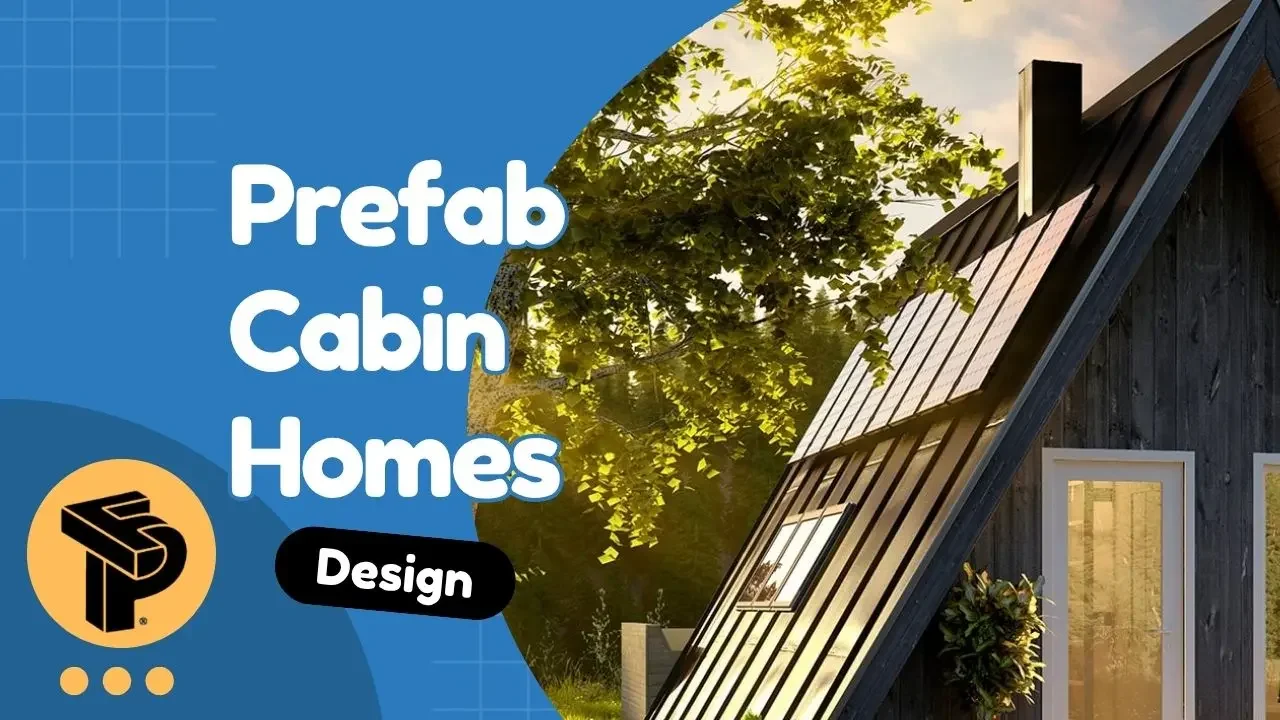
Quiet surroundings, natural landscapes, and simple living spaces are becoming more appealing for many people. Prefab cabin homes offer a practical way to create a retreat that combines comfort, efficiency, and modern design.
These homes are built off-site and delivered ready for installation, making them ideal for remote locations where traditional construction can be challenging. Whether used as a weekend getaway, rental property, or full-time residence, prefab cabin homes provide a flexible solution for nature-focused living.
To understand how prefab construction works overall, you can explore prefab homes, where off-site building methods are explained in detail.
What Are Prefab Cabin Homes?
Prefab cabin homes are compact or mid-sized structures designed for natural environments such as forests, mountains, or lakeside areas.
They typically feature:
simple and functional layouts
natural materials and finishes
strong connection to outdoor spaces
Unlike traditional cabins, prefab versions are built in controlled environments, ensuring faster construction and consistent quality.
Why Prefab Cabin Homes Are Becoming Popular
Several factors contribute to their growing appeal.
Faster Construction in Remote Areas
Building in remote locations can be difficult. Prefab homes reduce on-site work, making installation faster and more efficient.
Cozy and Functional Design
Cabin homes focus on comfort while maintaining a simple layout.
Strong Indoor-Outdoor Connection
Large windows, decks, and open layouts help connect the interior with the surrounding environment.
Flexible Use Cases
Prefab cabins can be used for:
vacation homes
rental properties
backyard retreats
off-grid living
Types of Prefab Cabin Homes
Tiny Cabin Units
Small and compact, ideal for minimal living or short-term stays.
Modular Cabin Homes
Built using multiple modules that can be expanded over time.
A-Frame Cabin Designs
A-frame cabins are known for their distinctive triangular shape and efficient structure.
These homes are often used in:
mountain areas
forest environments
vacation properties
Lightweight Cabin Structures
Flexible and easy to install, suitable for temporary or semi-permanent use.
Design Ideas for Prefab Cabin Homes
Design plays a key role in creating a comfortable cabin experience.
Natural Materials
Wood finishes and earthy tones create warmth and a cozy atmosphere.
Large Windows
Maximize views and bring in natural light.
Open Layouts
Combine living and sleeping areas to create a more spacious feel.
Outdoor Extensions
Decks and patios extend the living space into nature.
For more interior inspiration, you can explore modular homes inside, where efficient design ideas are showcased.
Cost of Prefab Cabin Homes
Prefab cabin homes come in a wide range of price points.
Typical ranges:
small cabin units: $5,000 – $40,000
mid-size cabins: $40,000 – $120,000
premium cabins: $90,000 – $200,000+
Cost depends on:
size and layout
materials
location
customization
For a broader pricing comparison, see prefab homes cost.
Example Prefab Cabin Homes Based on Real Models
Real-world examples help illustrate how prefab cabin concepts are applied in practice. Here are models from Prefahb.co.
Bubble Cabin Units (BT201)
size: approximately 300 sqft
ideal for: glamping, retreats, creative spaces
features: dome-style design, lightweight structure
This type of cabin is perfect for nature-based experiences and short stays.
Shell Cabin Homes (S201)
size: approximately 400 sqft
ideal for: backyard cabin, studio, remote living
features: optional solar system, fireplace, flexible layout
These cabins offer a balance between simplicity and comfort.
A-Frame Cabin Homes (A2030)
larger structure for full-time living
ideal for: mountain or forest homes
features: strong structure, modern materials, long-term durability
This type of cabin combines traditional cabin aesthetics with modern prefab construction.
Exploring real prefab cabin models can help you choose the right design based on your needs and location.
Best Use Cases for Prefab Cabin Homes
Vacation Homes
Perfect for weekend getaways or seasonal use.
Rental Properties
Cabin homes are popular for short-term rentals in natural settings.
Off-Grid Living
Suitable for remote areas with solar and independent systems.
Backyard Retreats
Create a private space separate from the main home.
Pros and Cons of Prefab Cabin Homes
Advantages
faster construction
lower cost compared to traditional cabins
flexible design options
suitable for remote locations
Limitations
limited space in smaller models
zoning and permit considerations
transportation logistics for remote areas
How to Choose the Right Prefab Cabin Home
Consider the following:
location and environment
intended use
budget
size requirements
available utilities
Choosing the right model ensures long-term usability and comfort.
Frequently Asked Questions
Are prefab cabin homes suitable for full-time living?
Yes, especially larger models designed for residential use.
Can prefab cabins be used off-grid?
Yes, many models support solar and independent systems.
Are prefab cabins durable?
Yes, when built with quality materials and proper installation.
How long does it take to install a prefab cabin?
Typically, much faster than traditional construction.
Final Thoughts
Prefab cabin homes offer a practical and modern approach to nature-inspired living. With flexible designs, faster construction, and a wide range of price options, they provide an accessible way to create comfortable spaces in natural environments.
From compact retreats to full residential cabins, prefab solutions continue to expand the possibilities of modern housing.