
Tiny Prefab Homes for Affordable, Flexible, and Modern Living
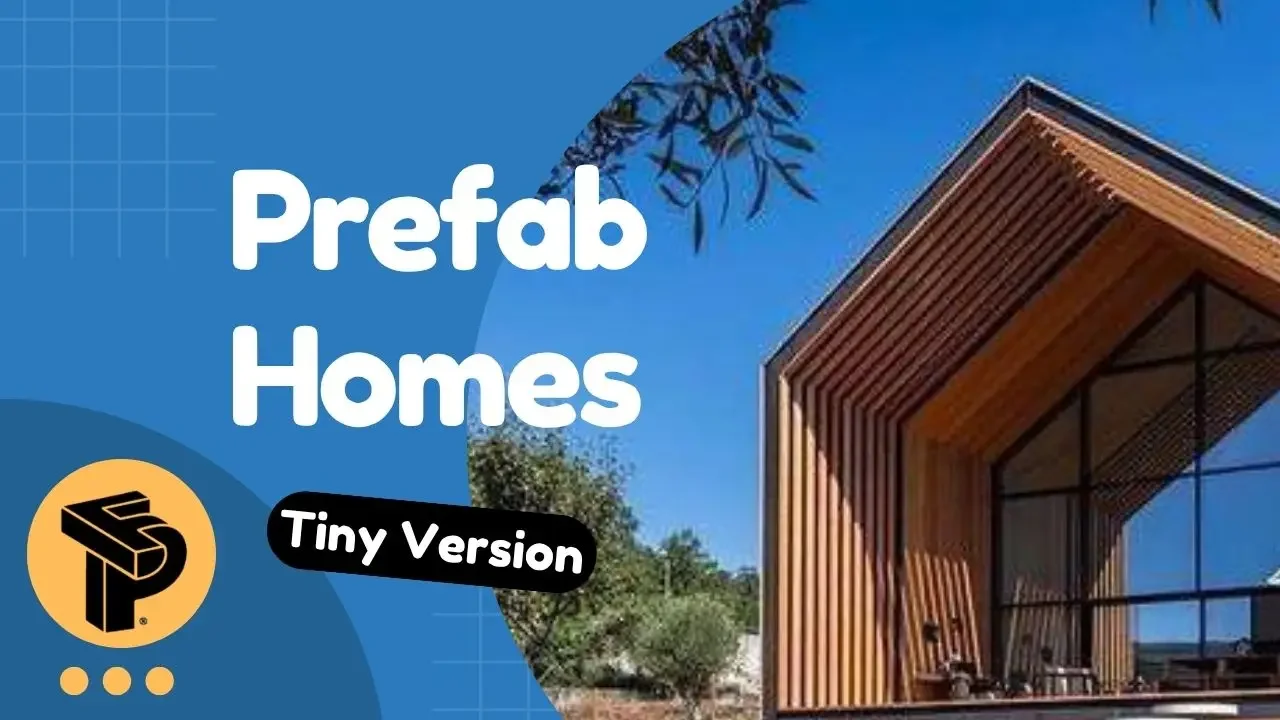
Small living spaces are becoming a smart solution for people who want more flexibility without the burden of high construction costs. Tiny prefab homes offer a practical way to create functional living environments that are fast to build, easy to maintain, and adaptable to different lifestyles.
Built off-site and delivered ready for installation, these homes simplify the construction process while still offering modern design and comfort. From backyard studios to off-grid retreats, tiny prefab homes continue to redefine how space can be used efficiently.
To understand how prefab construction works on a broader scale, you can explore prefab homes, where off-site building methods are explained in detail.
What Are Tiny Prefab Homes?
Tiny prefab homes are compact residential units that are manufactured in a factory and assembled on-site. They are designed to maximize usability within a small footprint, typically ranging from 100 to 500 square feet.
These homes usually include:
a sleeping area
a compact kitchen or kitchenette
a bathroom
multifunctional living space
Unlike traditional houses, tiny prefab homes focus on efficiency, portability, and simplicity.
Why Tiny Prefab Homes Are Becoming Popular
Several factors contribute to the growing interest in tiny prefab living.
Affordable Housing Option
Tiny prefab homes are significantly more affordable than traditional homes, making them accessible to a wider audience.
Fast Installation
Factory-built construction allows for faster setup compared to on-site building.
Flexible Lifestyle
These homes can be used in various ways, including:
backyard units
remote cabins
guest houses
rental properties
Off-Grid Living Potential
Many tiny prefab homes can be equipped with solar panels and independent systems, making them suitable for remote locations.
Types of Tiny Prefab Homes
Different types of tiny prefab homes cater to different needs.
Cabin-Style Tiny Homes
Designed for natural environments such as forests or mountains.
Best for:
vacation homes
retreats
off-grid living
Modular Tiny Homes
Built using modular components that can be expanded over time.
Lightweight and Tent-Style Structures
These are among the most flexible and affordable options.
They are ideal for:
temporary housing
creative spaces
outdoor living
Container-Based Tiny Homes
Some tiny homes use container structures, offering more durability and a modern aesthetic.
You can explore these in container homes, where modular container construction is explained.
Design Ideas for Tiny Prefab Homes
Smart design is essential in small spaces.
Key ideas include:
open-plan layouts
foldable or multifunctional furniture
vertical storage solutions
large windows for natural light
For interior inspiration, you can explore modular homes inside, where space efficiency plays a key role.
You can also find ideas in modern ADU designs, which often share similar compact living principles.
Cost of Tiny Prefab Homes
One of the main advantages of tiny prefab homes is their wide price range.
Typical costs:
ultra-compact units: $5,000 – $20,000
mid-range prefab homes: $20,000 – $60,000
fully equipped tiny homes: $60,000 – $100,000+
Costs depend on:
size
materials
features and upgrades
installation requirements
For a broader cost comparison, you can explore prefab homes cost and container home cost.
Example Tiny Prefab Homes Based on Real Models
Looking at real-world models helps translate ideas into practical options. Here are examples from Prefahb.co.
Ultra-Compact Bubble Units (BT201)
starting price: around $4,950
size: approximately 300 sqft
ideal for: glamping, studios, temporary stays
features: lightweight structure, customizable interior
This type of unit is perfect for those looking for a low-cost, flexible living or creative space.
Shell Tent Living Units (S201)
starting price: around $6,950
size: approximately 400 sqft
ideal for: backyard office, guest suite, remote cabin
features: optional solar system, fireplace, and modular upgrades
These homes provide a balance between affordability and comfort, making them suitable for both temporary and semi-permanent living.
Exploring real prefab models can help you better estimate costs and choose a solution that fits your lifestyle.
Best Use Cases for Tiny Prefab Homes
Tiny prefab homes can be adapted to many different needs.
Backyard Homes
Ideal for adding extra space without expanding the main house. You can explore similar setups in prefab backyard homes.
Guest Houses
Provide private and comfortable space for visitors. For more ideas, see prefab guest house.
Rental Units
Tiny homes are popular for short-term rentals and vacation stays.
Off-Grid Living
Perfect for remote locations where traditional construction is difficult.
Pros and Cons of Tiny Prefab Homes
Advantages
lower cost compared to traditional housing
faster construction
flexible design
suitable for various use cases
Limitations
limited living space
zoning and permit challenges
insulation may vary depending on design
How to Choose the Right Tiny Prefab Home
Choosing the right option depends on:
your budget
intended use
location
desired features
long-term plans
Understanding these factors helps ensure the home meets your needs.
Are Tiny Prefab Homes Worth It?
Tiny prefab homes offer a strong combination of affordability, flexibility, and efficiency.
They are especially valuable for:
first-time buyers
remote living
additional property units
lifestyle-focused housing
Frequently Asked Questions
What is the cheapest tiny prefab home?Lightweight or tent-style units are usually the most affordable.
Can you live full-time in a tiny prefab home?Yes, especially with proper design and insulation.
Are tiny prefab homes durable?Durability depends on materials and construction type.
Do they require permits?In most cases, yes—depending on local regulations.
Final Thoughts
Tiny prefab homes provide a modern solution for compact and flexible living. With a wide range of designs and price points, they offer an accessible entry into housing while supporting a more efficient lifestyle.
From backyard spaces to remote retreats, these homes continue to grow in popularity as people look for smarter ways to live.