
Prefab vs Modular Homes: Which One Is Right for You?
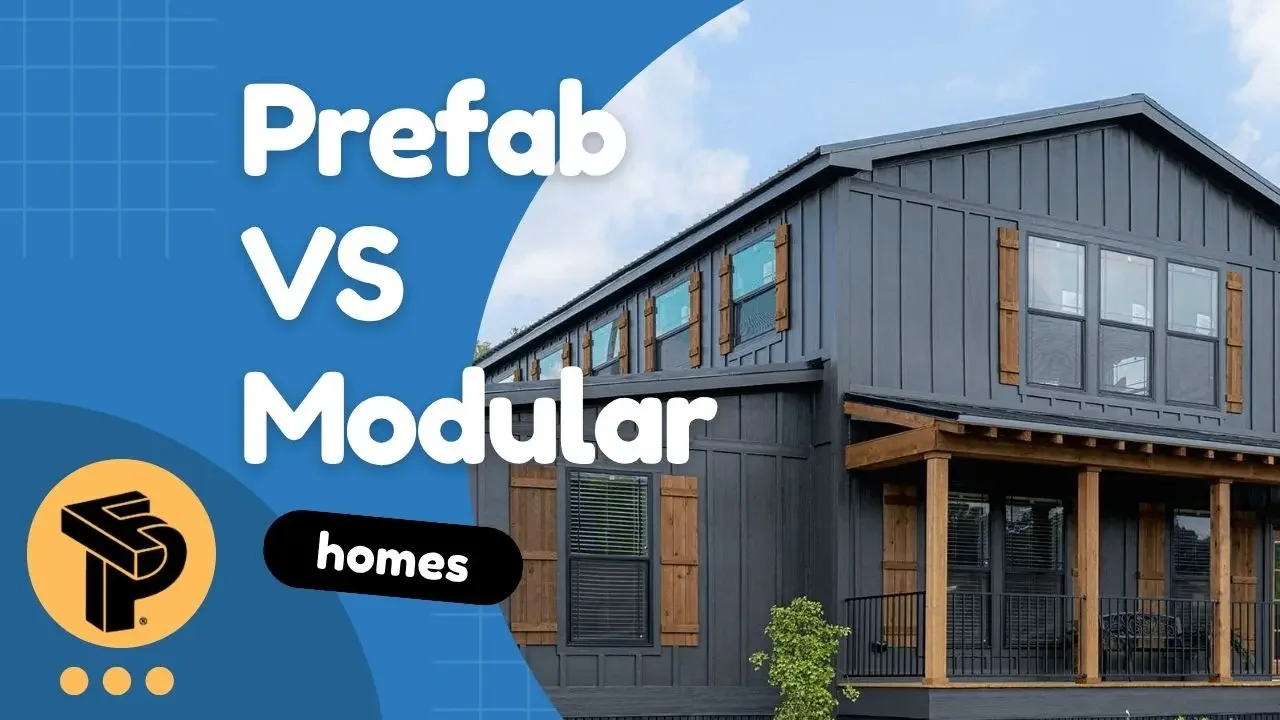
When exploring modern housing options, many people come across the terms prefab homes and modular homes. While these terms are often used interchangeably, they are not exactly the same.
Understanding the difference between prefab and modular construction is essential for choosing the right solution for your needs. Both offer faster construction and improved efficiency compared to traditional building methods, but they differ in structure, flexibility, and application.
If you're new to prefabricated housing, you can start by exploring the broader concept of prefab homes, which explains how factory-built construction works.
Companies like Prefahb.co provide modern solutions that combine elements of both prefab and modular construction, making it easier for homeowners to build efficiently.
What Are Prefab Homes?
Prefab homes, or prefabricated homes, are houses that are partially or fully built in a factory before being transported to the construction site.
This category includes several types of housing, such as:
modular homes
panelized homes
container homes
tiny homes
Prefab construction focuses on efficiency, reduced waste, and faster build times.
What Are Modular Homes?
Modular homes are a specific type of prefab home built in sections (modules) and assembled on-site.
Each module is constructed in a factory and then transported to the final location, where the modules are connected to form a complete home.
To better understand this system, you can explore our guide to modular home, which explains how modular construction works in detail.
Key Differences Between Prefab and Modular Homes
Although modular homes fall under the prefab category, there are important differences.
Scope
Prefab homes: broad category that includes multiple construction types
Modular homes: specific type of prefab construction
Construction Method
Prefab homes: may include panels, containers, or modules
Modular homes: always built in complete sections (modules)
Flexibility
Prefab homes: more varied in design and construction methods
Modular homes: more standardized but highly scalable
Installation Process
Prefab homes: varies depending on type
Modular homes: assembled by connecting pre-built modules
Similarities Between Prefab and Modular Homes
Despite their differences, both construction methods share key advantages.
Faster Construction
Both prefab and modular homes are built off-site, reducing overall construction time.
Cost Efficiency
Factory-built processes reduce labor costs and material waste.
Consistent Quality
Controlled environments ensure higher construction precision.
Sustainability
Both methods produce less waste compared to traditional construction.
When to Choose Prefab Homes
Prefab homes are ideal if you want:
flexible design options
a variety of construction methods
faster project timelines
adaptable housing solutions
They are commonly used for:
backyard homes
guest houses
rental units
For example, many homeowners choose prefab solutions for backyard housing, as explained in prefab backyard homes.
When to Choose Modular Homes
Modular homes are a better choice if you need:
scalable housing solutions
consistent structural design
multi-module expansion
They are often used for:
larger residential units
multi-room layouts
long-term housing
You can also explore layout ideas in 1 bedroom ADU plans, where modular configurations are commonly used.
Prefab and Modular Homes in ADU Development
Both prefab and modular construction methods are widely used in ADU projects.
Homeowners often use these systems to build:
backyard guest houses
rental units
home offices
To understand how these units are structured, you can explore ADU plans, which explain layout and design principles for backyard housing.
Cost Comparison Prefab vs Modular Homes
Costs can vary depending on design and complexity.
Prefab Homes
often more flexible in pricing
can be more affordable for smaller units
suitable for compact backyard homes
Modular Homes
may have higher upfront costs for larger builds
more cost-efficient for multi-module structures
For a detailed breakdown of pricing factors, see modular home cost and ADU cost.
Which Option Is Right for You?
Choosing between prefab and modular homes depends on your goals.
Consider the following:
budget
available space
intended use
design preferences
long-term plans
If you need a compact, flexible solution, prefab homes may be the better choice. If you’re planning a larger or expandable structure, modular homes may be more suitable.
Why Modern Builders Combine Both Approaches
Today, many builders combine prefab and modular techniques to offer more flexible solutions.
Companies like Prefahb.co integrate modular systems with prefab efficiency, allowing homeowners to benefit from both approaches.
This hybrid method provides:
faster construction
scalable design
flexible layouts
efficient installation
Frequently Asked Questions
Are modular homes considered prefab?
Yes. Modular homes are a type of prefab home.
Are prefab homes cheaper than modular homes?
It depends on size and complexity, but prefab homes can be more affordable for smaller projects.
Which is faster to build?
Both are faster than traditional construction, but prefab homes can be quicker for smaller units.
Can prefab homes be expanded later?
Some prefab homes, especially modular ones, can be expanded by adding modules.
Final Thoughts
Prefab and modular homes both offer modern solutions for efficient and flexible housing. While they share many similarities, understanding their differences helps you choose the right approach for your specific needs.
Whether you're building a backyard unit, a rental property, or a full-time residence, both prefab and modular construction provide faster, smarter alternatives to traditional building methods.