
ADU Floor Plans That Make Small Homes Feel Bigger and More Functional
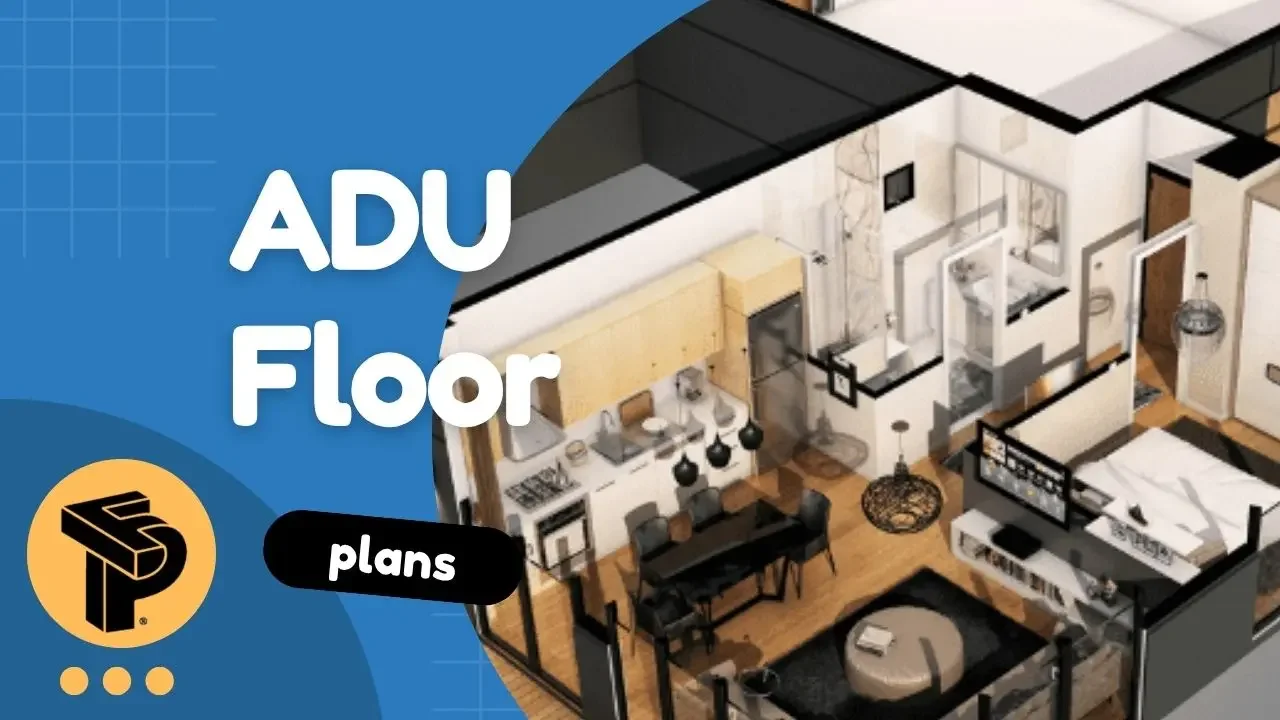
Designing an Accessory Dwelling Unit (ADU) starts with one of the most important elements: the floor plan. A well-designed layout determines how comfortable, functional, and efficient the space will be.
As more homeowners explore backyard housing solutions, ADU floor plans have become a key focus in the planning process. Whether building a compact studio or a larger multi-room unit, choosing the right layout can significantly impact both usability and cost.
If you're new to ADUs, it's helpful to begin with a broader understanding of layouts and configurations through our complete guide to ADU plans, which explains how these units are designed from concept to construction.
What Are ADU Floor Plans?
ADU floor plans are detailed layouts that define how space is organized within a secondary housing unit. These plans typically show:
room placement
circulation flow
furniture positioning
kitchen and bathroom layout
entry points and windows
Unlike traditional homes, ADU floor plans must maximize limited space while maintaining comfort and functionality.
Why Floor Plans Matter in ADU Design
A good floor plan is essential for making small spaces feel livable.
Key benefits include:
Efficient Use of Space
Smart layouts ensure that every square foot is used effectively.
Better Flow and Functionality
A well-planned layout improves how people move through the space.
Improved Comfort
Proper zoning between living, sleeping, and kitchen areas enhances daily living.
Cost Efficiency
Efficient layouts reduce unnecessary construction complexity, which can lower overall costs.
For example, optimizing layout size and structure plays a major role in overall budgeting, as explained in our guide to ADU cost.
Common Types of ADU Floor Plans
Studio ADU Floor Plans
Studio layouts combine all living functions into a single open space.
Typical features:
open living and sleeping area
compact kitchenette
separate bathroom
These layouts are ideal for small spaces and are commonly featured in small ADU plans, where efficiency is the top priority.
One-Bedroom ADU Floor Plans
One-bedroom layouts provide a separate sleeping area, offering more privacy and comfort.
Typical layout includes:
bedroom
living room
kitchenette
bathroom
These configurations are commonly explored in 1 bedroom ADU plans, where functional zoning becomes more important.
Two-Module ADU Floor Plans
Larger ADUs often combine multiple modules to create more spacious layouts.
Benefits include:
wider living areas
better separation of rooms
improved natural lighting
These layouts are often used in modular or prefab construction systems.
Open Concept ADU Floor Plans
Open layouts remove unnecessary walls to create a more spacious feel.
This design approach:
improves natural light flow
makes small spaces feel larger
increases flexibility in furniture arrangement
Key Design Principles for ADU Floor Plans
When designing an ADU layout, several principles should be considered.
Prioritize Multi-Functional Spaces
Furniture and rooms should serve more than one purpose whenever possible.
Maximize Natural Light
Large windows and open layouts help create a more comfortable environment.
Minimize Wasted Space
Avoid unnecessary hallways or unused corners.
Optimize Kitchen and Bathroom Placement
Grouping plumbing areas can reduce construction complexity and cost.
ADU Floor Plans for Different Use Cases
Different uses require different layout priorities.
Guest House Floor Plans
Guest house layouts prioritize privacy and comfort for short-term stays. For more ideas, you can explore backyard guest house plans.
Rental ADU Floor Plans
Rental units benefit from:
separate bedroom layouts
efficient kitchens
comfortable living areas
These features help attract long-term tenants.
Home Office ADU Floor Plans
Work-focused layouts prioritize:
quiet workspace
natural lighting
minimal distractions
Interior Planning for ADU Floor Plans
Interior design and layout go hand in hand.
Important considerations include:
furniture placement
storage solutions
lighting design
circulation flow
These elements are often explored in modular homes inside, where interior efficiency is essential in compact spaces.
Prefab and Modular ADU Floor Plans
Prefab construction has changed how ADU floor plans are designed.
Advantages include:
standardized layouts
faster construction
predictable results
scalable design
Many modern ADU layouts are now designed with modular expansion in mind, allowing additional units to be added later.
How to Choose the Right ADU Floor Plan
Choosing the right floor plan depends on several factors:
available land space
intended use
number of occupants
privacy requirements
budget
Planning ahead ensures that the layout remains functional over time.
Common Mistakes to Avoid
When designing ADU floor plans, avoid:
overcrowded layouts
poor lighting design
inefficient room placement
ignoring storage needs
lack of privacy
A well-planned layout can prevent these issues from affecting long-term usability.
Why ADU Floor Plans Are Key to Successful Projects
A well-designed floor plan is the foundation of a successful ADU project.
It ensures:
efficient use of space
comfortable living environment
better long-term value
optimized construction cost
Without proper planning, even a well-built ADU may feel inefficient or uncomfortable.
Frequently Asked Questions
What is the best layout for a small ADU?
Studio layouts are often the most efficient for very small spaces.
Can ADU floor plans be customized?
Yes, layouts can be adjusted based on needs and preferences.
How big should an ADU be?
Most ADUs range between 200 and 1,200 square feet depending on local regulations.
Are open floor plans better for ADUs?
Yes, they often make small spaces feel larger and more flexible.
Final Thoughts
ADU floor plans play a critical role in determining how functional and comfortable a backyard home will be. By choosing the right layout and planning efficiently, homeowners can create flexible living spaces that meet a variety of needs.
Whether building a compact studio or a larger multi-room unit, thoughtful floor planning ensures that every square foot is used effectively.