
Why Modular Homes Are the Future of Smart Construction
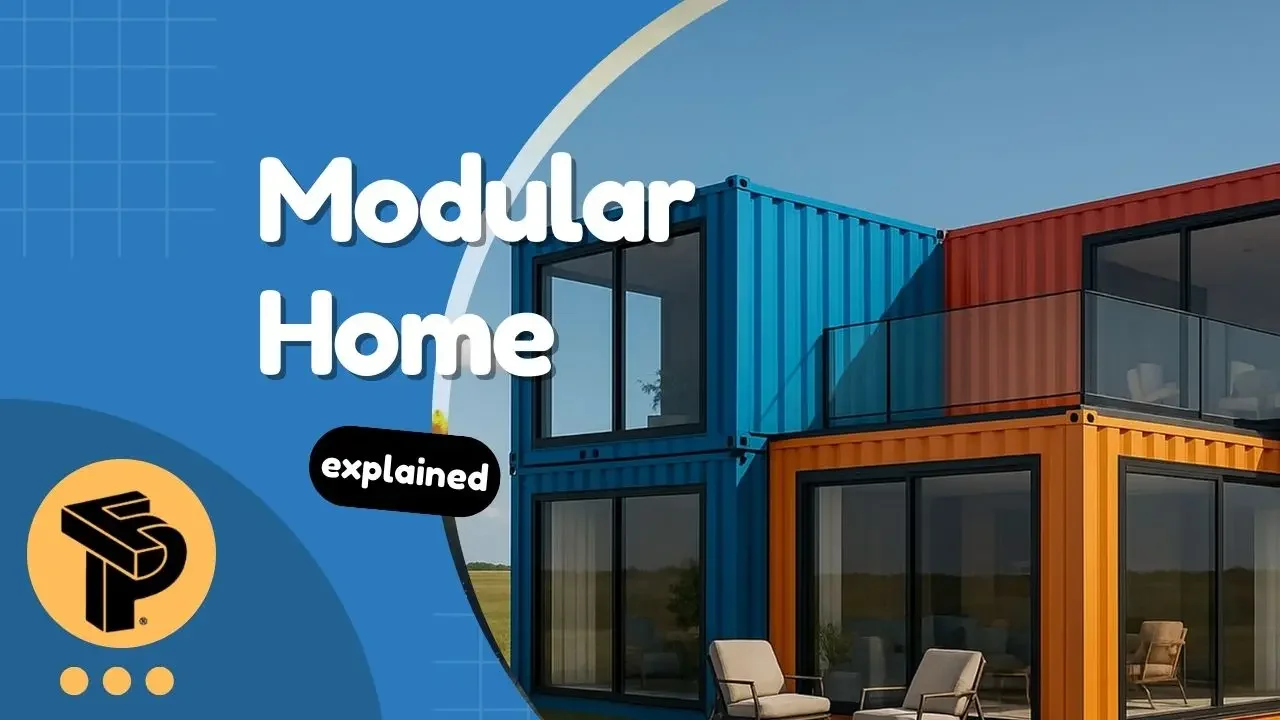
Modern housing is evolving. As land prices rise, construction timelines stretch longer, and sustainability becomes a global priority, more homeowners and developers are turning to modular home solutions. Built with efficiency, flexibility, and scalability in mind, modular homes represent a smarter approach to residential and commercial construction.
Among companies shaping this movement is Prefahb.co, offering a wide range of modular container-based designs, from compact backyard units to large luxury multi-container residences.
This guide explores everything you need to know about modular homes, including how they are built, their advantages, cost considerations, and available model types.
What Is a Modular Home?
A modular home is a structure built in sections (modules) within a controlled factory environment and then transported to the final site for installation. Unlike traditional construction, which takes place entirely on-site, modular homes are largely completed before delivery.
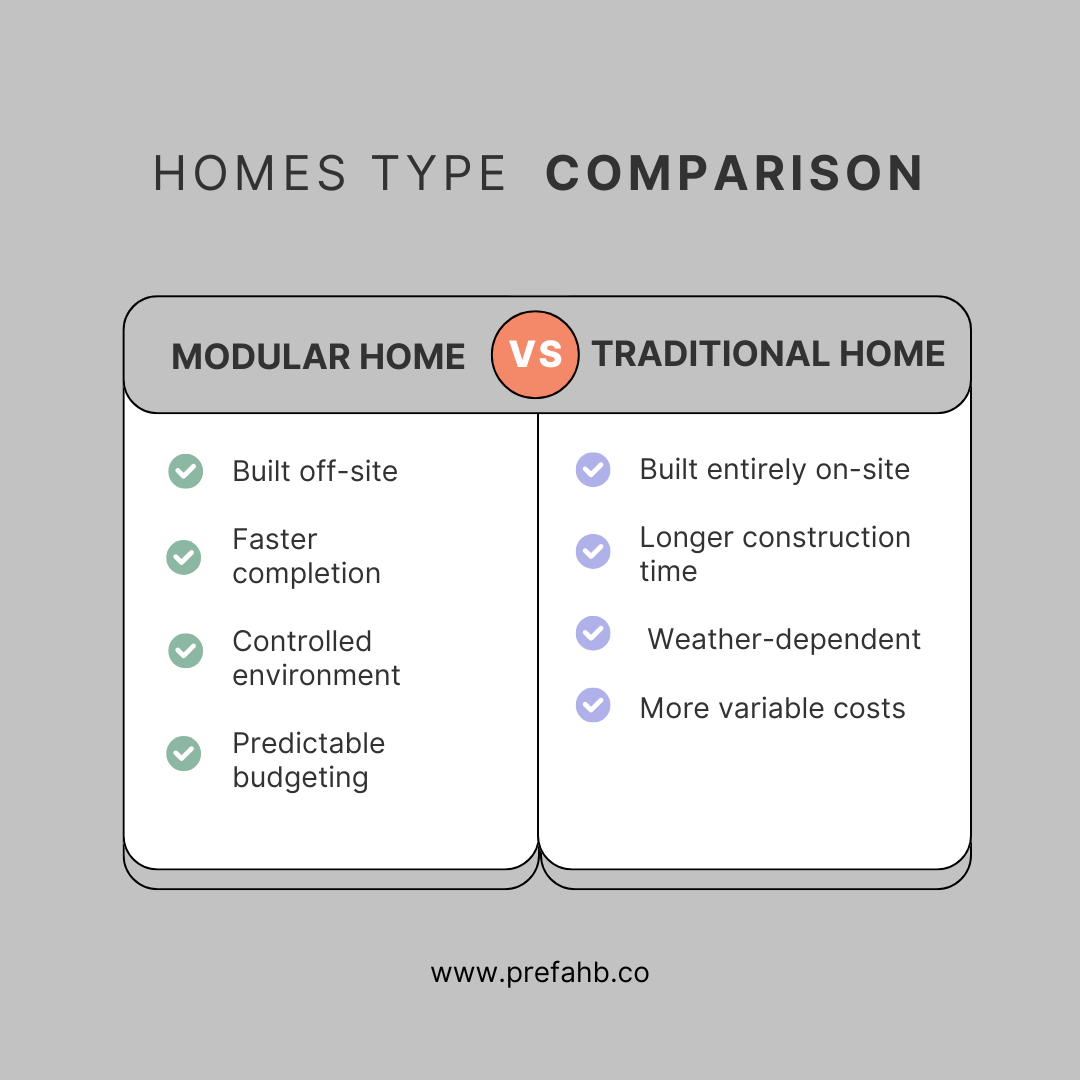
Modular Home vs Traditional Home
Modular Home vs Manufactured or Mobile Home
Modular homes are often confused with manufactured homes. The key difference lies in building standards and structural design. Modular homes are built in modules and installed on foundations, meeting local building codes. Manufactured or mobile homes are typically constructed on a permanent chassis.
How Modular Homes Are Built
The modular home process typically follows these steps:
Design & Engineering
Floor plans and structural components are finalized.Factory Construction
Modules are constructed indoors with integrated insulation, wiring, plumbing, and interior finishes.Quality Inspection
Each module undergoes controlled inspection before shipment.Transportation
Modules are transported to the site.Installation & Utility Connection
Modules are assembled and connected to local utilities.
This process dramatically reduces construction timelines while maintaining consistent build quality.
Benefits of Modular Homes
1. Faster Build Time
Because modules are built off-site while site preparation happens simultaneously, projects can be completed significantly faster than conventional builds.
2. Predictable Costs
Factory-controlled processes reduce unexpected delays and material waste.
3. Quality Control
Indoor construction ensures better material handling and precision assembly.
4. Sustainability
Efficient material usage and minimized site disturbance make modular homes a more environmentally conscious option.
5. Expandability
Modular designs allow future expansion by adding additional units.
Types of Modular Homes
Modular housing is not one-size-fits-all. It spans a wide range of applications.
Container-Based Modular Homes
Built using shipping containers as structural modules. Durable and highly adaptable.
Folding Modular Homes
Designed for transport efficiency and rapid deployment.
Tiny Modular Homes
Compact dwellings optimized for minimalist living.
ADU Modular Homes
Accessory dwelling units placed in backyards or secondary lots.
Luxury Multi-Unit Modular Homes
Large-scale residences combining multiple modules.
Resort and Hospitality Modular Homes
Used for cabins, eco-lodges, and boutique accommodations.
Modular Home Models by Prefahb.co
Prefahb.co offers a diverse portfolio of modular container-based designs.
Model Z201 — Folding Modular Micro Home
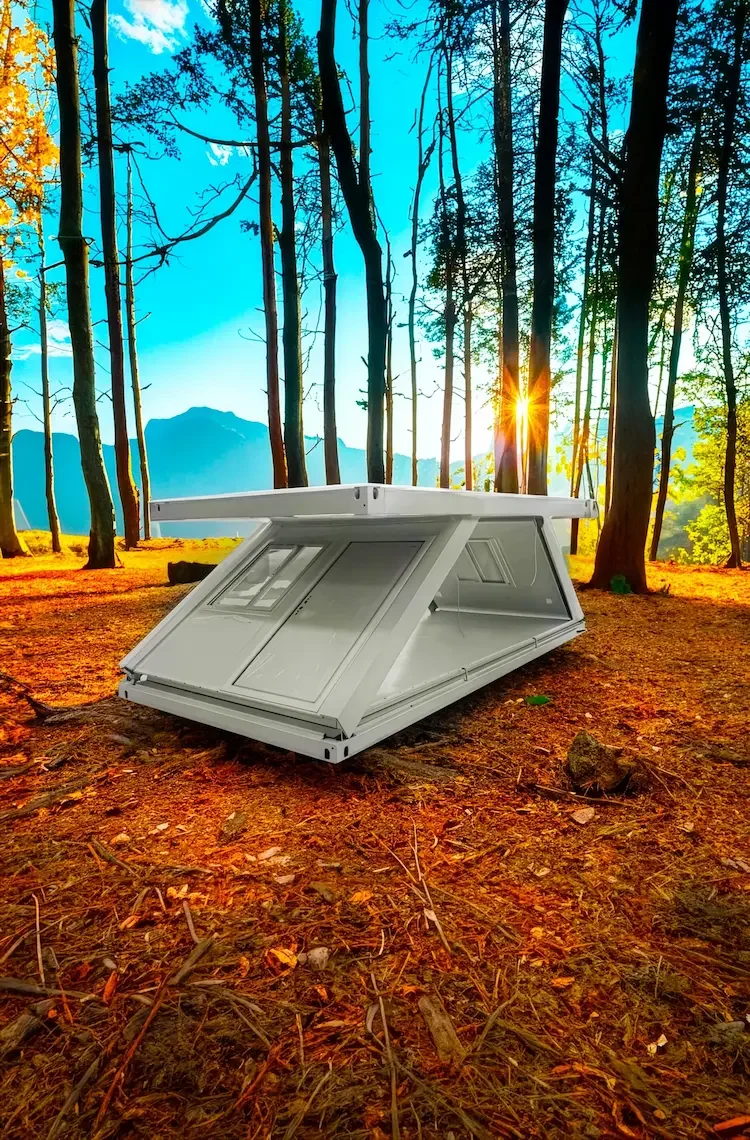
A compact folding modular unit built from a 20-foot container. Expands into approximately 180 square feet of livable space. Ideal for mobile living, remote sites, or temporary housing.
Model P201 — High Cube Modular Micro Home
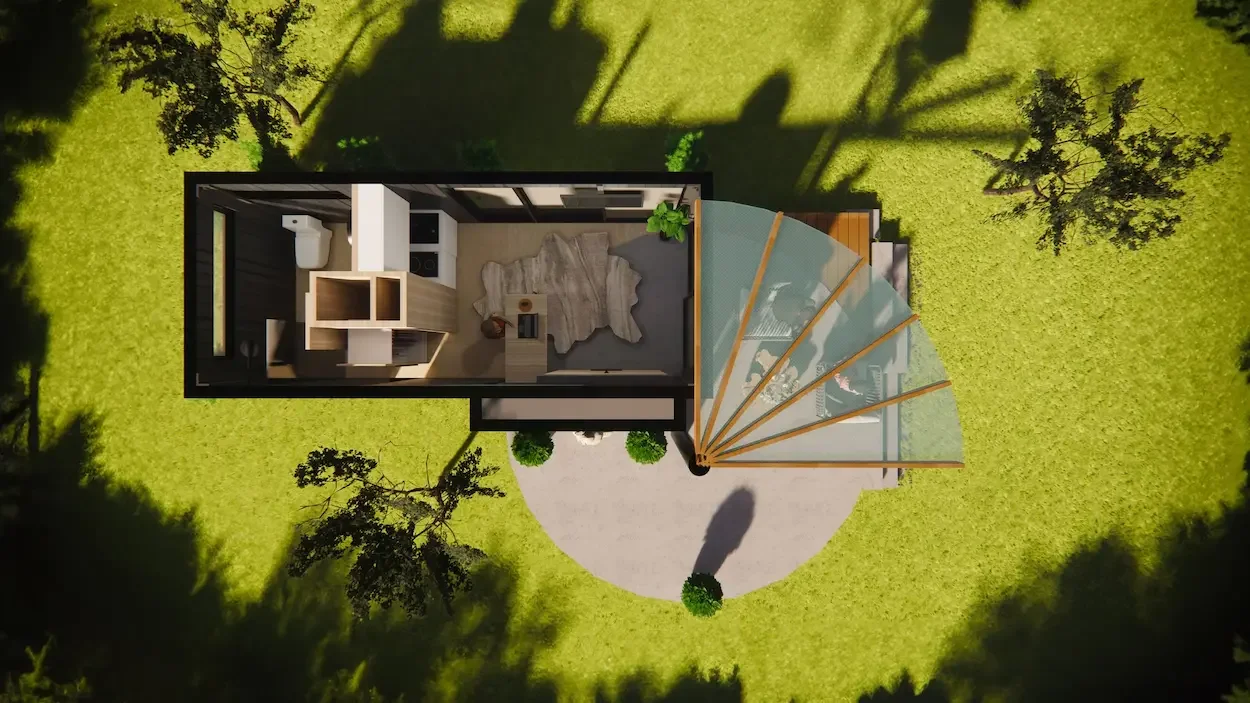
Available in 20-foot and 40-foot configurations, this modular home includes a Murphy bed, desk space, kitchenette, and full bathroom. Suitable as an ADU, guest suite, or backyard office.
Model P202 — Fully Equipped Modular Residence
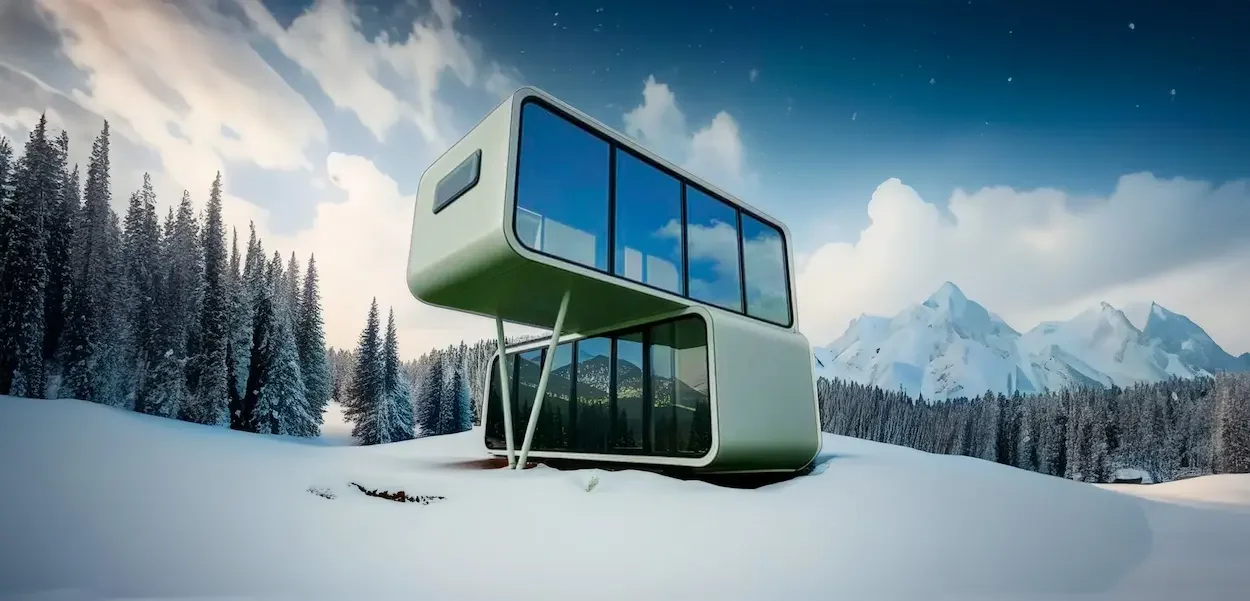
Constructed from two container modules, offering approximately 360 square feet. Includes full bathroom, kitchenette, workspace, and sleeping area. Ideal for modern compact living.
Model R404 — Multi-Module Luxury Residence
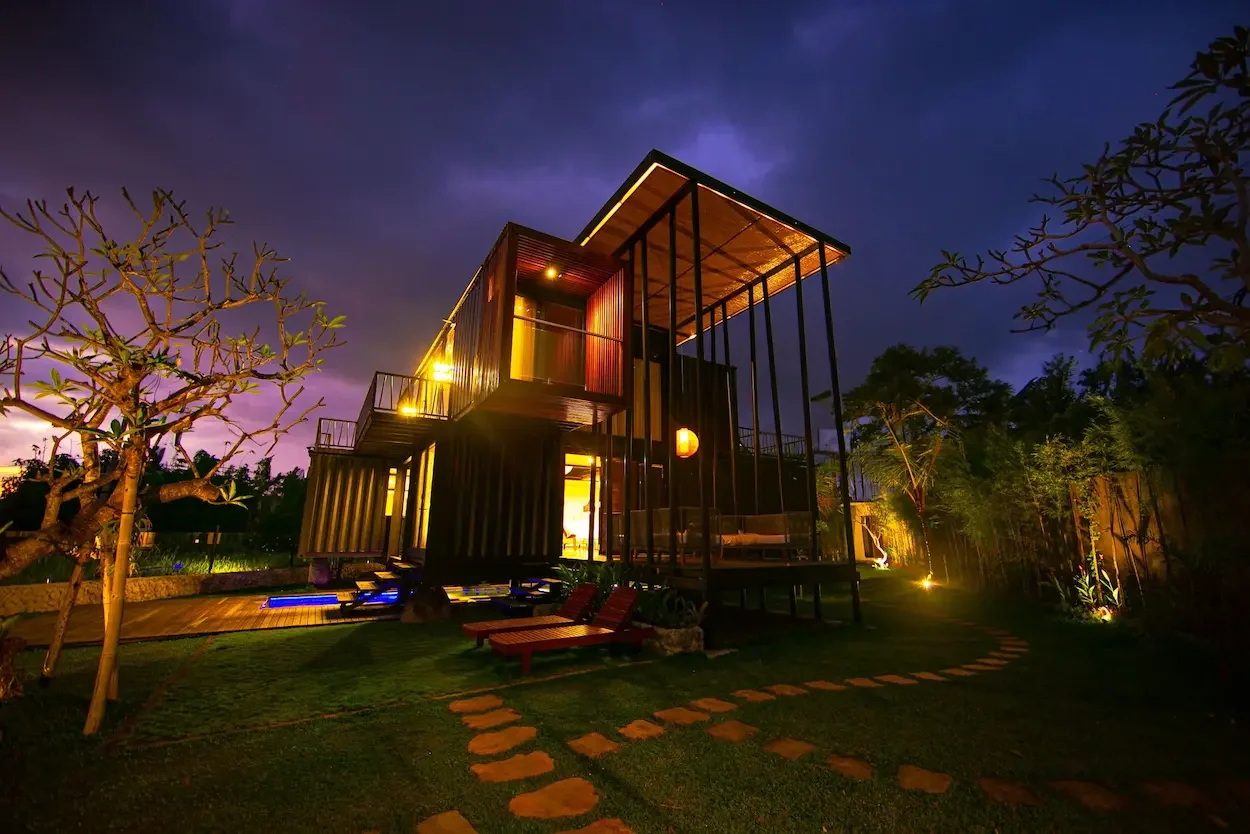
A large two-story modular residence created from four high-cube containers. Offers multiple bedrooms, bathrooms, kitchen facilities, and expansive decks. Designed for luxury living or vacation rental investment.
Model B201 — Entry-Level Modular Unit
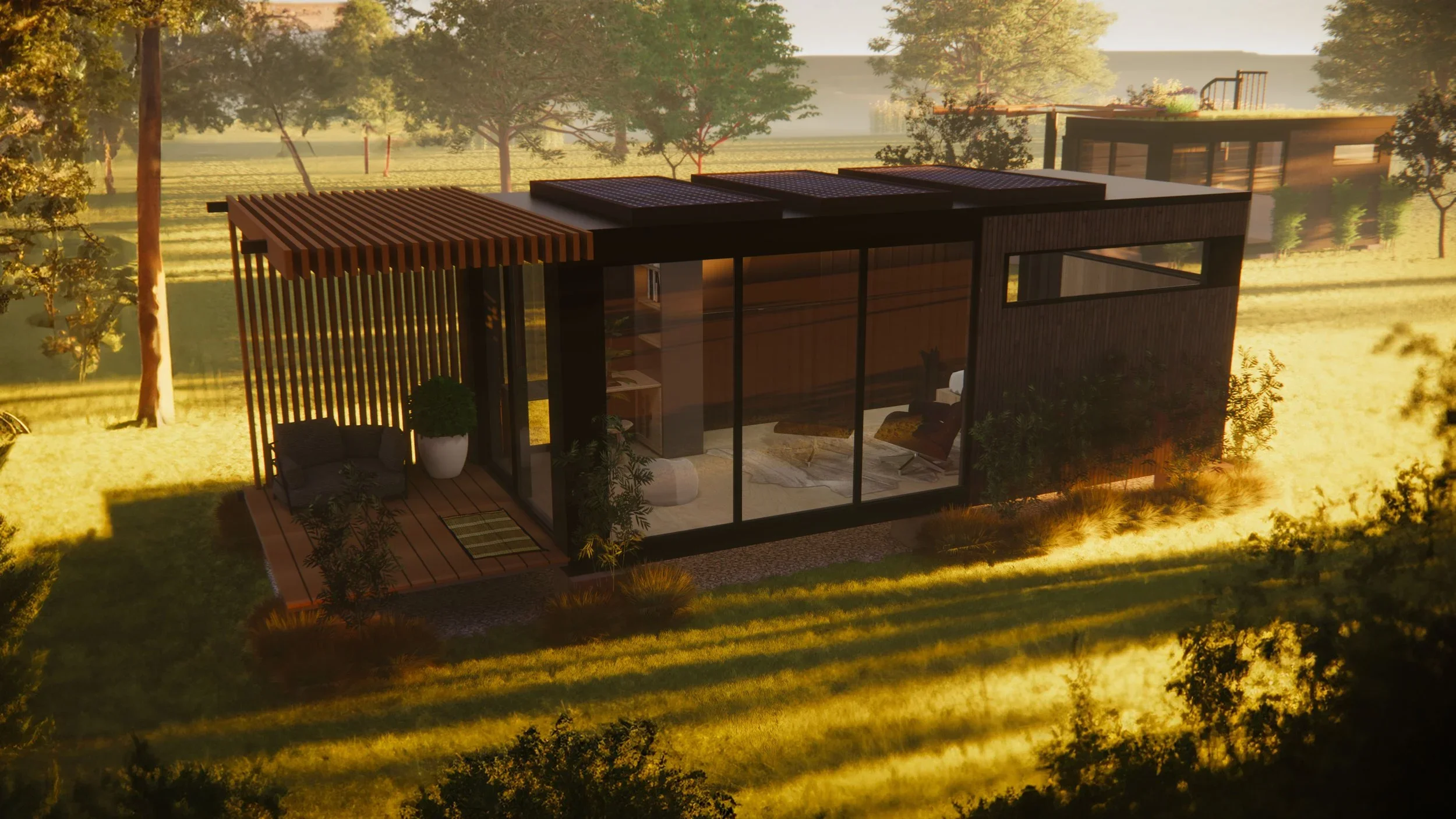
A compact modular model ranging from approximately 170–340 square feet. Ideal for studios, offices, or small guest spaces.
Modular Home Cost Overview
The cost of a modular home varies based on:
Size and number of modules
Interior finishes and fixtures
Upgrade packages
Transportation distance
Site preparation requirements
At Prefahb.co, modular container-based homes start from $4,950 USD for compact units, with pricing increasing depending on configuration and scale.
Modular Home vs Traditional Home
Speed
Modular: Weeks to a few months
Traditional: Several months to over a year
Cost Stability
Modular: More predictable
Traditional: Subject to delays and fluctuations
Environmental Impact
Modular: Reduced waste
Traditional: Higher site disruption
Scalability
Modular: Easy to expand
Traditional: Expansion is more complex
Is a Modular Home Right for You?
A modular home may be ideal if you:
Want faster project completion
Need a backyard ADU or guest unit
Plan to develop rental or resort properties
Prefer controlled construction quality
Seek a scalable housing solution
Why Choose Prefahb.co for Modular Homes?
Prefahb.co offers:
A wide range of modular container-based designs
Upgrade packages such as Green and Nomadic options
Factory-controlled craftsmanship
Flexible ordering process
Models suitable for residential, hospitality, and commercial use
With scalable designs ranging from compact micro-homes to multi-container estates, Prefahb.co provides modular housing solutions adaptable to various project goals.
Frequently Asked Questions About Modular Homes
Are modular homes durable?
Yes. Modular homes built from container structures use steel frames designed for strength and longevity.
Can modular homes be permanent residences?
Absolutely. When installed on proper foundations and connected to utilities, they function as full-time homes.
How long does modular home production take?
Production timelines vary by size and customization level but are generally faster than traditional construction.
Are modular homes environmentally friendly?
Yes. Controlled manufacturing reduces waste and improves material efficiency.
Can modular homes be expanded later?
Many modular systems allow additional units to be added over time.
Final Thoughts
Modular homes represent the next generation of efficient, adaptable housing. Whether used as compact personal residences, backyard ADUs, luxury vacation homes, or scalable development projects, modular construction offers flexibility without compromising quality.
As demand for smarter building solutions continues to grow, modular homes are positioned to redefine how modern living spaces are created.