
Modular Homes Inside Modern Interior Design and Smart Layout Ideas
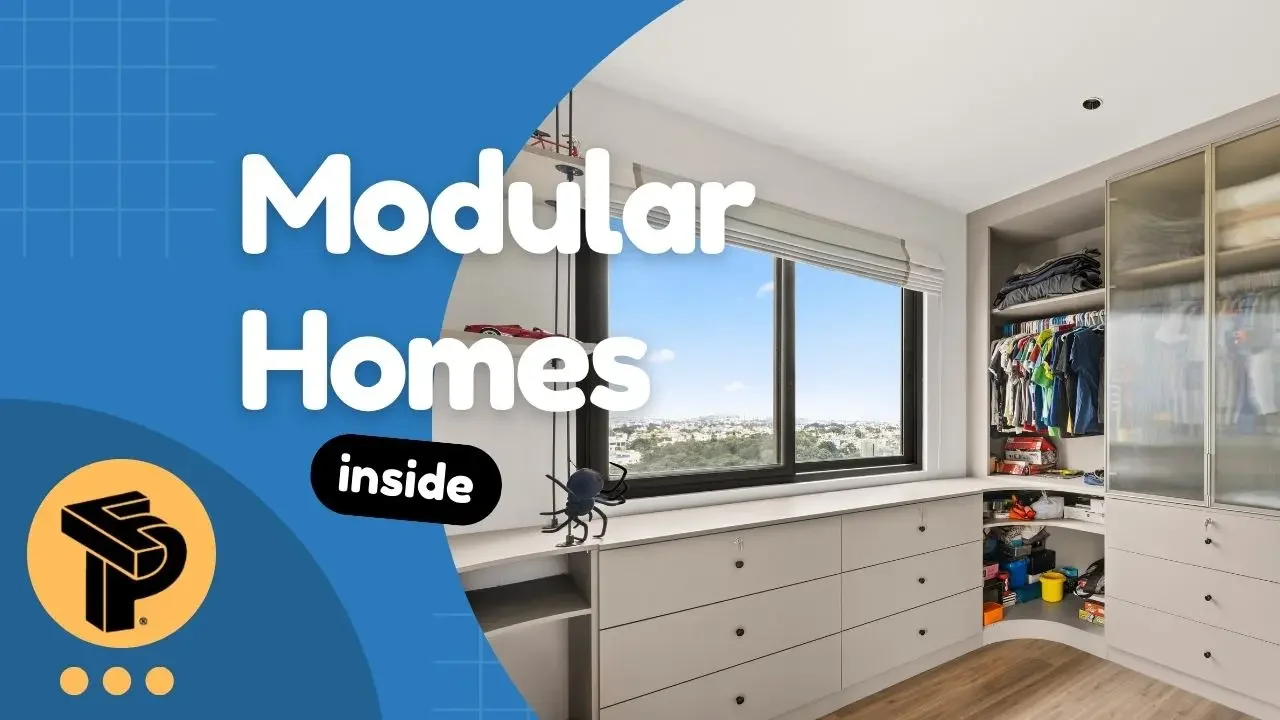
When people first hear the term modular home, they often imagine something simple, compact, or purely functional. But step inside today’s modular homes, and you’ll discover thoughtfully designed interiors that rival traditional houses in comfort, style, and efficiency.
From space-saving layouts to full bathrooms and modern kitchens, the interiors of modular homes have evolved dramatically. Companies like Prefahb.co demonstrate how modular construction can deliver not only structural efficiency but also beautiful, livable interior environments.
In this guide, we explore what modular homes look like inside, common interior features, layout ideas, and real examples from modern modular models.
What Do Modular Homes Look Like Inside?
Inside, modern modular homes are designed around functionality and flow. Instead of feeling confined, many modular interiors emphasize:
Open-concept layouts
Multi-functional furniture
Strategic window placement for natural light
Efficient storage solutions
Clean, contemporary finishes
Because modular homes are engineered in controlled environments, interior elements are carefully measured and integrated during production, ensuring precision and consistency.
Interior Features Common in Modern Modular Homes
Today’s modular interiors are designed to maximize comfort within compact footprints.
Smart Sleeping Areas
Many modular homes incorporate Murphy beds or built-in sleeping nooks. These allow living spaces to transform throughout the day—functioning as lounges or offices before converting into bedrooms at night. Larger modular models may include master suites with dedicated storage areas.
Compact Yet Functional Kitchens
Modern modular kitchens often feature streamlined cabinetry, integrated appliances, and efficient countertop layouts. Even compact models include essential cooking areas designed for daily use, not just occasional meals.
Full Bathrooms with Modern Fixtures
Contrary to outdated assumptions, many modular homes include fully equipped bathrooms. Features may include:
Rain showers
Modern vanities
Quality plumbing systems
Durable, moisture-resistant finishes
These spaces are engineered for comfort and long-term durability.
Built-In Workspaces
With remote work on the rise, modular homes frequently incorporate dedicated desk areas or fold-down workstations. These integrated solutions maximize productivity without requiring additional square footage.
Multi-Use Living Areas
Living spaces inside modular homes are often open and flexible. Sliding doors or folding glass panels may connect interiors to outdoor decks, extending usable space and enhancing airflow.
Small Modular Homes Inside
Compact modular homes focus heavily on efficiency.
In smaller units, interior design emphasizes:
Vertical storage solutions
Foldable furniture
Dual-purpose layouts
Clean, minimal finishes
For example, folding container units provide fully functional interiors, including lighting, electrical outlets, and insulated windows, within a footprint of approximately 180 square feet.
Despite their size, well-designed compact modular homes feel organized rather than cramped.
Large Modular Homes Inside
Larger modular homes offer expansive interior experiences.
Multi-container designs can include:
Multiple bedrooms
Spacious kitchens
Open-plan living areas
Dual bathrooms
Elevated decks and second stories
Because modules can be combined, larger layouts allow for interior features comparable to conventional houses.
Real Interior Examples from Prefahb.co Models
Several Prefahb models highlight how modular interiors can vary in scale and function.
Model P201 Interior Layout
Model P201 offers a high cube configuration with a side bump-out design. Inside, it includes:
A Murphy bed nook
A fold-down desk
A kitchenette
A full bathroom with shower
The layout balances compact living with everyday functionality.
Model P202 Interior Experience
Model P202 combines two container modules, creating approximately 360 square feet of living space. Its interior includes:
A dedicated sleeping area
Workspace
Compact kitchen
Rain shower bathroom
The added width allows for more comfortable circulation and storage.
Model R404 Luxury Interior
Model R404 is a large-scale modular residence built from four containers. Inside, it features:
Multiple bedrooms
Full kitchen and wet bar
Several bathrooms
Open living spaces with deck access
This demonstrates how modular homes can scale into full luxury residences.
Model Z201 Compact Interior
Model Z201 showcases how folding modular homes can maintain interior quality. Delivered with integrated lighting and plug-and-play systems, its interior is designed for fast setup without sacrificing comfort.
How Modular Interiors Compare to Traditional Homes
Modern modular homes inside often compare favorably to traditional builds in several ways:
Efficient space usage
Contemporary, minimalist design
High ceilings in high-cube configurations
Integrated storage systems
While traditional homes may offer larger floor areas, modular interiors often outperform them in efficiency and layout optimization.
Designing Your Modular Home Interior
If you’re planning a modular home, consider these design tips:
Choose neutral color palettes to enhance natural light.
Incorporate built-in storage to reduce clutter.
Use multifunctional furniture to maximize flexibility.
Add large windows or sliding doors to connect indoors and outdoors.
Plan lighting strategically to create warmth and depth.
Because modular homes are built in sections, many interior decisions can be finalized before delivery—ensuring your space reflects your lifestyle from day one.
Frequently Asked Questions About Modular Homes Inside
Do modular homes feel small inside?
Not necessarily. Smart layouts and high ceilings can create an open, spacious feel.
Are modular ceilings lower than traditional homes?
Many models use high cube containers or engineered designs to provide comfortable ceiling heights.
Can interiors be customized?
Yes. Many modular home providers allow customization of finishes, layouts, and fixtures.
Are modular homes comfortable year-round?
With proper insulation and climate systems, modular homes can support comfortable living in various environments.
Final Thoughts
Modular homes inside are no longer basic or purely functional, they are thoughtfully engineered living environments designed for efficiency, style, and adaptability. From compact folding units to expansive multi-container residences, interior design plays a central role in modern modular construction.
As modular housing continues to evolve, interior innovation remains one of its strongest advantages, proving that smart construction and beautiful living spaces can go hand in hand.