
Prefab ADU Plans Explained Layouts, Costs, and Design Ideas
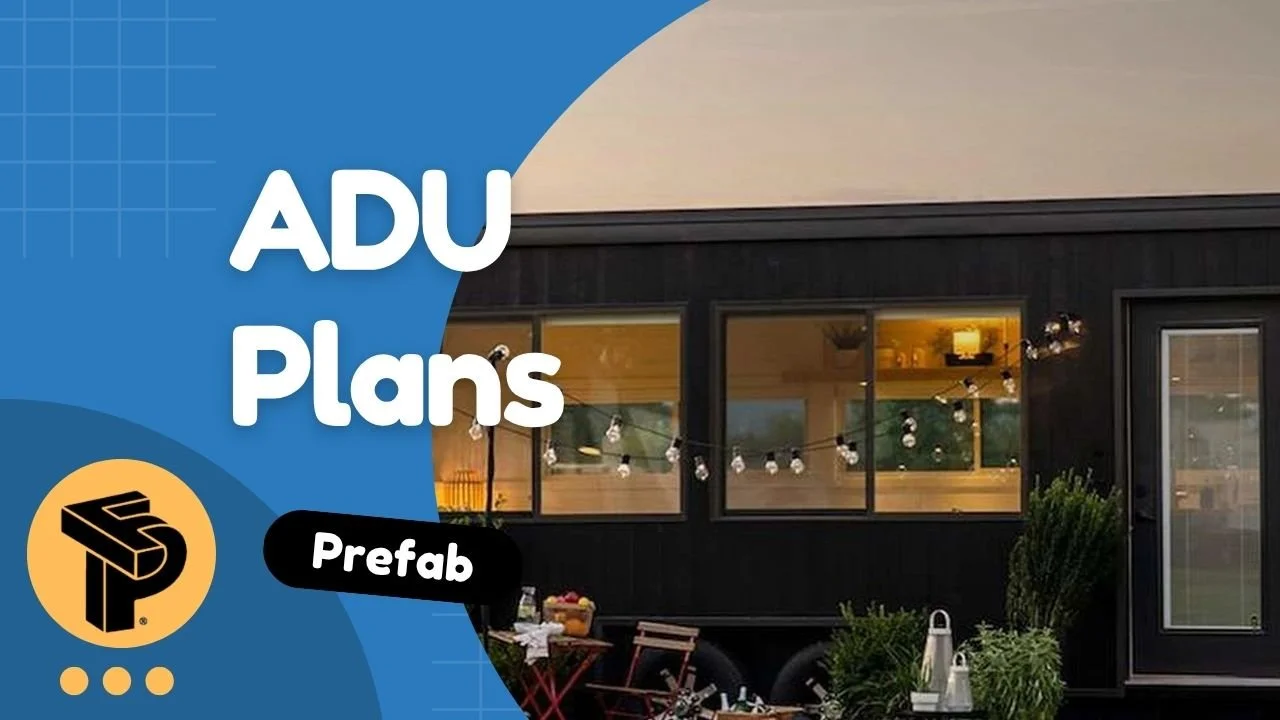
As housing demand continues to grow, many homeowners are turning to Accessory Dwelling Units (ADUs) as a practical way to add living space and increase property value. However, traditional construction methods can be time-consuming, expensive, and complex.
This is why prefab ADU plans have become an increasingly popular alternative. By using prefabricated construction methods, homeowners can build backyard homes faster, more efficiently, and with greater cost predictability.
Companies like Prefahb.co specialize in modular housing solutions that make it easier to design and install ADUs without the challenges of traditional construction.
In this guide, we’ll explore how prefab ADU plans work, their advantages, layout options, and examples of modular designs that fit modern backyard living.
What Are Prefab ADU Plans?
Prefab ADU plans are architectural layouts designed specifically for prefabricated accessory dwelling units. Instead of being built entirely on-site, these units are manufactured in a controlled factory environment and then transported to the final location for installation.
These plans take into account:
modular construction methods
transportation constraints
efficient assembly on-site
optimized interior layouts
Prefab ADUs are part of the broader concept of a modular home, where homes are built in sections and assembled quickly with minimal disruption.
Compared to traditional ADU construction, prefab plans are designed for speed, efficiency, and consistency.
Why Prefab ADU Plans Are Becoming Popular
Prefab ADUs are gaining popularity for several key reasons.
Faster Construction Time
Because modules are built in a factory, construction can happen simultaneously with site preparation. This significantly reduces overall project timelines.
Predictable Costs
Factory production helps minimize unexpected costs, making budgeting more reliable.
High Construction Quality
Controlled manufacturing environments allow for consistent quality and precision.
Reduced On-Site Disruption
Since much of the work is completed off-site, installation is quicker and less disruptive to the property.
Scalable Design
Prefab ADU plans can often be expanded by adding additional modules in the future.
These advantages make prefab ADUs especially attractive for homeowners seeking efficient backyard housing solutions.
Types of Prefab ADU Plans
Prefab ADU plans come in several layout types depending on size and function.
Studio Prefab ADUs
Compact and efficient, studio layouts combine living, sleeping, and kitchen areas into one open space.
These are ideal for:
rental studios
guest houses
home offices
For smaller layouts, you can explore small ADU plans to understand how compact spaces are optimized.
One-Bedroom Prefab ADUs
These layouts provide a separate bedroom for greater privacy and comfort.
Typical features include:
private bedroom
living area
kitchenette
bathroom
You can also explore 1 bedroom ADU plans for more layout ideas in this category.
Multi-Module Prefab ADUs
Larger prefab ADUs combine multiple modules to create more spacious layouts with improved room separation.
These are suitable for:
long-term rental units
family housing
vacation homes
Example Prefab ADU: Model B201
The Model B201 from Prefahb.co is a compact prefab modular unit designed for flexibility.
This model offers:
studio-style open layout
optional Murphy bed for space efficiency
fold-down desk for workspace
compact kitchenette
full bathroom
Because of its size and flexibility, it works well as a backyard guest house, office, or rental unit.
Example Prefab ADU: Model P201

Prefahb.co proudly introduces "Model P201," our innovative high cube shipping container dwelling designed for convenience and style, with prices starting at $59,950 USD. Available in single 20' or 40' configurations, this adaptable micro-home provides a living space ranging from 180 to 360 square feet. The Model P201 comes equipped with a side-wall bump-out that includes essential features like a comfortable Murphy bed, a functional desk area, a compact kitchenette, and a complete bathroom with a shower. To enhance the living experience, buyers can opt for optional packages such as "The Green Package," including a Green/Garden Roof and Circular Staircase for rooftop access, and "The Nomadic Package," featuring an Outdoor Fireplace, covered deck, and a solar panel system. With RV 220 plug-in capability and water hookups, this unit caters to individuals pursuing a nomadic lifestyle, offering a mobile and off-grid housing solution from Prefahb.co.
The "Model P" units are ideal for compact backyard offices or guest rooms. These units feature a Murphy Bed nook space, providing additional sleeping space, and a fold-down desk for flexible office use. They also come equipped with a full bath with a shower, along with a kitchenette for light cooking needs.
Begin your "Model P" purchase with a fully refundable deposit. Following the "site evaluation," we'll collaborate to decide whether to move forward with the order. Should the order be canceled after the "site evaluation," we will ensure your reservation deposit is promptly returned.
FEATURES & OPTIONS
Clients have the option to upgrade the base model of the Model P, which starts at $59,950 USD, by selecting from The Nomadic and The Green Packages. The Nomadic Packages offer a 220 RV plug-in, Roof Solar System, and an outdoor Wood Burning Fire stove, while The Green Packages feature a Spiral Roof-Top Stairway and a Green Garden Roof Top System. Clients can tailor these packages to match their individual needs effectively.
The exterior consists of a single 20' to 40' insulated shipping container wrapped in wood cladding.
Flexible and customizable interior upgrade packages are offered for customization.
Enhancement packages designed for compact building site offices and living spaces are available.
Pricing:
Our team is dedicated to providing competitive, itemized quotes based on the estimates from your order. Once we receive your online refundable reservation deposit, we can collaborate with you to create an accurate itemized price quote that fits your budget, utilizing information from a site installation assessment evaluation. If our price quote doesn't align with your budget, we will promptly refund your deposit. Moreover, if the deposit is approved, it can also be credited towards your Model and/or accessory purchase. Kindly note that shipping times and costs are subject to change.
The Process:
Upon receiving your refundable deposit, the Prefahb.com team will engage with you to discuss your order. We will carefully assess your site evaluation as per the chosen Model and determine the subsequent steps. It's important to note that site evaluations are customized for each unique building site. Once this assessment is finalized and precise estimates for site building installation, shipping, and model upgrade packages are determined, they will be integrated into an itemized quote. Upon confirmation of the itemized quote, a 50% nonrefundable deposit is required to initiate the construction of your model. As the model is readied for shipping to the building site, the remaining 40% balance will be due. Upon receipt of delivery, the final 10% balance is immediately
For homeowners seeking a more residential feel, the Model P201 offers a one-bedroom prefab ADU layout.
Key features include:
dedicated sleeping area
workspace with desk
kitchenette
full bathroom
This design provides a balance between compact size and comfortable living.
Example Expanded Prefab ADU: Model P202
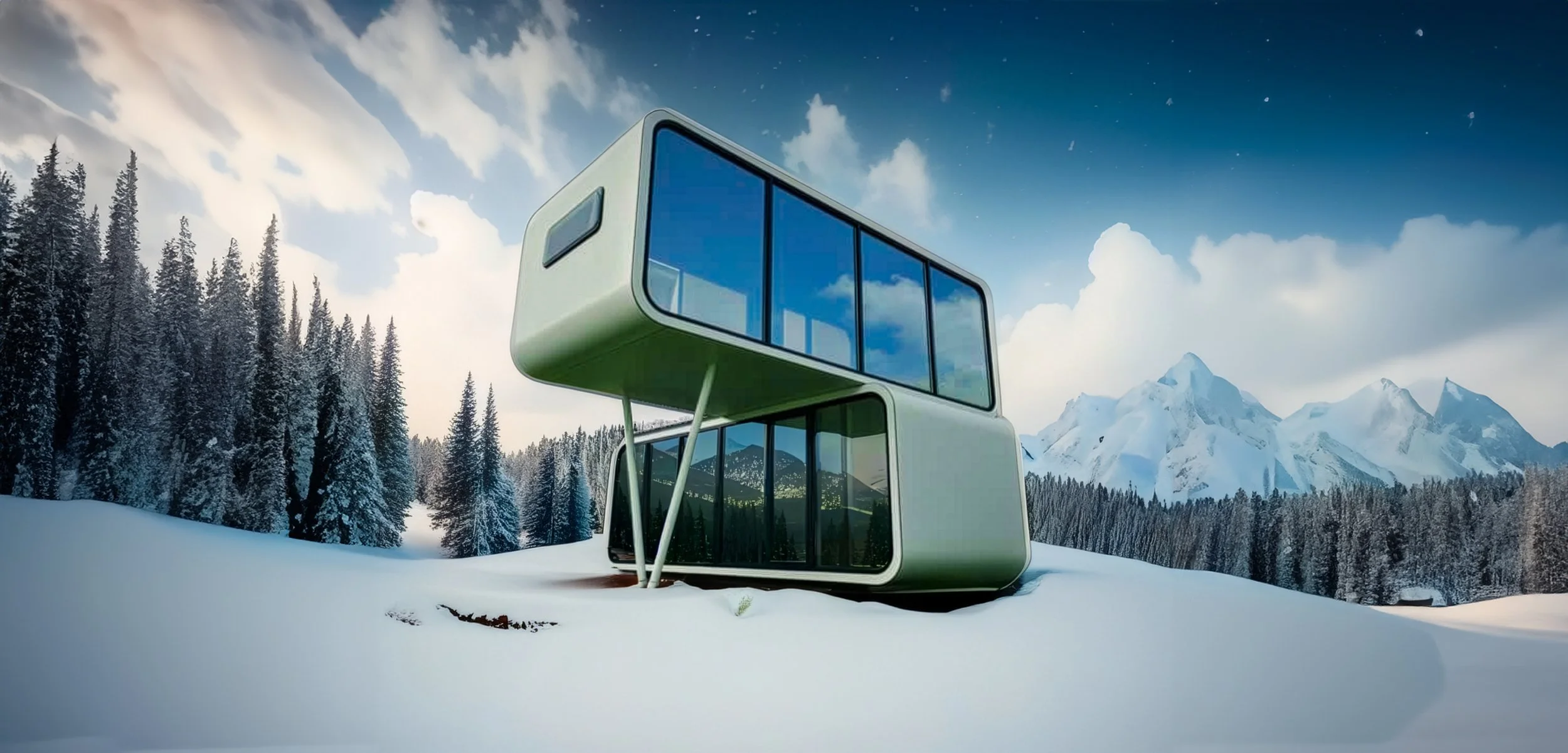
Prefahb.co proudly introduces the new 2026 "Model P202," our innovative prefahbricated luxury dwelling thoughtfully designed for both convenience and contemporary style, with prices starting at $109,950 USD. Built from two 20' units and offered in a variety of customizable configurations, this adaptable micro-home provides a comfortable living space beginning at approximately 360 square feet. The Model P202 arrives well-appointed with essential features, including a space-saving Murphy bed, a practical desk area, a compact yet efficient kitchenette, and a full bathroom complete with a luxurious rain shower. To further enhance the living experience, buyers may select optional upgrade packages such as "The Green Package," which adds a second-story walkout eco-composite deck and a modern steel staircase for easy upper-level access, or "The Nomadic Package," which includes an outdoor fireplace, a cantilevered covered deck, and an integrated solar panel system. With RV 220 plug-in capability and standard water hookups, this unit is perfectly suited for individuals embracing a nomadic or modern off-grid lifestyle, offering a mobile, sustainable housing solution from Prefahb.co.
The "Model P202" units are ideal for compact backyard ADU’s, guest rooms, or modern luxuries resort cabins. These units include a Master Suite King Bed area, offering extra comfortable sleeping space, and a fold-down desk for flexible office or study use. Each unit is equipped with a full bath featuring a rain shower and a kitchenette suitable for light cooking and meal prep. For an elevated luxury experience, pair the unit with an additional Prefahb outdoor Swim Spa.
Begin your "Model P202" purchase with a fully refundable deposit to reserve your unit. After the initial "site evaluation," we will work together to decide whether to proceed with the order. If you choose to cancel the order following the "site evaluation," we will promptly return your reservation deposit in full.
FEATURES & OPTIONS
Clients can upgrade the base Model P202, which starts at $109,950 USD, by choosing either The Nomadic or The Green package. The Nomadic package includes a 220V RV plug, a roof solar system, and an outdoor wood-burning fire stove, while The Green package adds a modern stairway and an eco-composite second-floor deck. Each package can be customized so clients can adapt features to suit their individual needs and lifestyle.
The exterior consists of two 20' insulated units, thoughtfully joined to create a durable and weather-resistant shell.
Flexible and customizable interior upgrade packages are available to tailor your space to personal preferences.
Enhancement packages specifically designed for compact building sites and small living spaces are available.
Pricing:
Our team is dedicated to providing competitive, itemized quotes based on the estimates from your order. Once we receive your online refundable reservation deposit, we can collaborate with you to create an accurate itemized price quote that fits your budget, utilizing information from a site installation assessment evaluation. If our price quote doesn't align with your budget, we will promptly refund your deposit. Moreover, if the deposit is approved, it can also be credited towards your Model and/or accessory purchase. Kindly note that shipping times and costs are subject to change.
The Process:
Upon receiving your refundable deposit, the Prefahb.co team will engage with you to discuss your order. We will carefully assess your site evaluation as per the chosen Model and determine the subsequent steps. It's important to note that site evaluations are customized for each unique building site. Once this assessment is finalized and precise estimates for site building installation, shipping, and model upgrade packages are determined, they will be integrated into an itemized quote. Upon confirmation of the itemized quote, a 50% nonrefundable deposit is required to initiate the construction of your model. As the model is readied for shipping to the building site, the remaining 40% balance will be due. Upon receipt of delivery, the final 10% balance is immediately
The Model P202 demonstrates how prefab ADU plans can scale using multiple modules.
Built from two container units, this design offers:
approximately 360 square feet of living space
improved layout separation
sleeping area, workspace, kitchenette, and bathroom
This expanded configuration is ideal for long-term living or rental properties.
Interior Design in Prefab ADU Plans
Interior design plays a key role in maximizing the comfort of prefab ADUs.
Because these homes are compact, designers often focus on:
open-plan layouts
multifunctional furniture
built-in storage solutions
efficient kitchen layouts
natural lighting
These strategies are commonly used in modular homes inside design concepts to create comfortable and functional living spaces.
Cost Considerations for Prefab ADU Plans
The cost of prefab ADUs depends on several factors.
Key cost components include:
number of modules
interior finishes
transportation and delivery
site preparation and foundation
utility connections
Prefab construction often reduces construction time and improves cost predictability compared to traditional methods.
For a detailed breakdown of pricing factors, refer to our guide on modular home cost.
Prefab ADU Plans vs Traditional ADU Construction
Choosing between prefab and traditional construction is an important decision.
Prefab ADUs
faster installation
consistent quality
predictable costs
scalable design
Traditional ADUs
longer construction timelines
higher labor complexity
more variability in costs
For many homeowners, prefab ADUs offer a simpler and more efficient path to building backyard housing.
How to Choose the Right Prefab ADU Plan
When selecting a prefab ADU plan, consider the following:
available backyard space
intended use (rental, guest house, office)
desired level of privacy
budget constraints
potential for future expansion
Choosing the right layout ensures the ADU meets both current and future needs.
Why Prefab ADU Plans Are Ideal for Modern Housing
Prefab ADUs represent a modern approach to housing that emphasizes efficiency, flexibility, and scalability.
Their key advantages include:
faster construction timelines
flexible modular layouts
efficient use of space
reduced construction complexity
adaptable design for different uses
As housing needs continue to evolve, prefab ADUs offer a practical solution for homeowners looking to maximize their property’s potential.
Frequently Asked Questions About Prefab ADU Plans
What is a prefab ADU?A prefab ADU is a secondary housing unit built using prefabricated modules and installed on-site.
Are prefab ADUs cheaper than traditional builds?They can be more cost-efficient due to reduced labor and shorter construction timelines.
How long does it take to install a prefab ADU?Installation is typically faster than traditional construction, depending on site preparation.
Can prefab ADUs be customized?Yes. Many modular builders offer customizable layouts and features.
Are prefab ADUs suitable for rental properties?Yes. They are commonly used for both long-term and short-term rentals.
Final Thoughts
Prefab ADU plans provide an efficient and flexible way to add housing to existing properties. By combining modular construction with smart design, these units offer a practical solution for modern backyard living.
Whether starting with a compact studio or expanding into a multi-module layout, prefab ADUs demonstrate how innovative construction methods can simplify the process of building additional living space while maintaining comfort and functionality.