
Container Homes for Sale: How to Actually Find and Buy One
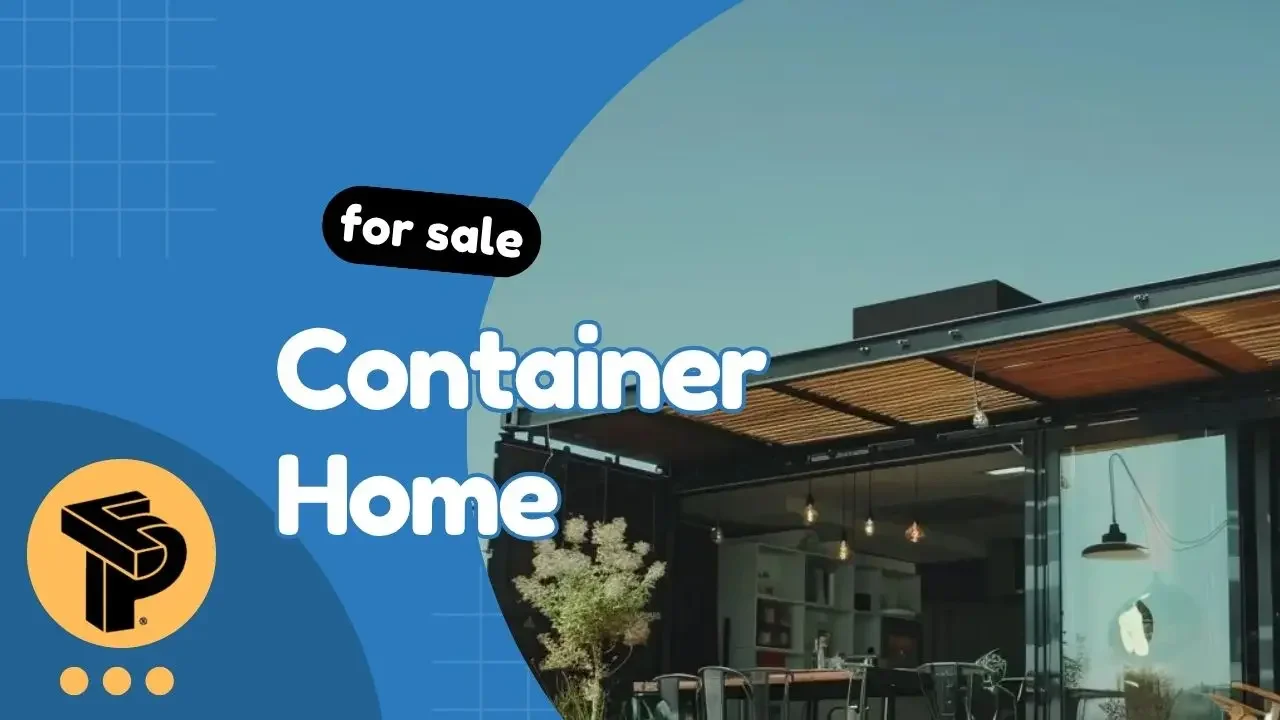
Searching "container homes for sale" returns a mix of things that aren't all what they appear to be: renders of unbuilt concepts listed as products, used containers that have been minimally modified and marketed as homes, completed structures listed on real estate platforms, and legitimate manufacturer listings for production-ready units.
Knowing which is which and what questions to ask before committing money, is most of the work in buying a container home. Here's how to do it.
Where Container Homes Are Actually Sold
Direct from manufacturers. This is the most straightforward and reliable channel. You're buying a production unit built to a known spec, typically with a structured purchase process, engineering documentation, and some form of after-sale support. The manufacturer can answer questions about what's included, how modifications work, what the delivery process looks like, and what you need to prepare on your site.
Prefahb's models shop is an example of direct manufacturer sales, specific models at specific prices, with real photos and clear specs rather than aspirational renders.
Container home brokers and marketplaces. A small number of brokers specialize in matching buyers with container home manufacturers or with completed builds available for resale. These can be useful for buyers who want to compare multiple manufacturers without doing all the research independently. The caution: some "marketplaces" are lead generation sites that sell your information to manufacturers rather than being genuine neutral platforms.
Real estate listings. Completed container homes on land occasionally appear on MLS listings, Zillow, and similar platforms. These are typically purchased the same way as any other real estate — with a buyer's agent, title search, inspection, and mortgage financing if applicable. The inspection process for a container home on a permanent foundation is similar to any other residential inspection, though the inspector should have familiarity with steel construction.
Used/resale container homes. Occasionally, container homes built on specific sites are sold separately from the land, to be relocated. This is logistically complex, the unit needs to be engineered for relocation, transported by wide-load truck, and reinstalled on a new foundation — but can offer value for buyers with suitable sites and realistic expectations about relocation costs.
What to Look for Before Buying
Whether you're buying direct from a manufacturer or purchasing a completed home, these are the things that matter.
Real photos vs. renders. This is the fastest way to separate credible sellers from marketing operations. Real photos of completed, delivered units exist if the manufacturer has actually built them. If a listing shows only renders and concept images with no evidence of real production, treat it as unverified until you can confirm otherwise.
Structural engineering documentation. Any container home sold for residential use should come with stamped structural drawings from a licensed engineer. These documents demonstrate that the modifications — cut openings, structural reinforcement, multi-container connections — have been properly engineered, not improvised. For permitting purposes, you'll need these documents. If a seller can't provide them, that's a significant red flag.
Insulation specification. Ask specifically: what insulation system is used, what R-values are achieved for walls/ceiling/floor, and how is the vapor barrier handled? Vague answers ("high-quality insulation" or "well insulated") are not acceptable. You want specific materials and R-values.
What's included in the price. Get an itemized list. A container home listed at $45,000 might include only the structural shell with basic exterior finish, requiring another $30,000–$50,000 of work before it's livable. Or it might be fully finished, ready to connect to utilities. The price means nothing without knowing what it covers.
Cargo history (for used containers). If the unit is built on used shipping containers, the cargo history matters. Containers that carried food-grade cargo are clean. Containers that carried agricultural chemicals, petroleum products, or industrial materials require more scrutiny. A reputable manufacturer will have a documented container inspection and remediation process.
Warranty and after-sale support. What does the manufacturer warrant, for how long, and how do they handle warranty claims on an international build? For US buyers purchasing from international manufacturers, which includes Prefahb, understanding the warranty and support process before purchase is important.
Container Homes for Sale by Price Range
Under $30,000: Single compact units — 20-foot containers, basic finish, studio configuration. These are real homes for buyers who want minimal, efficient living, or structures serving as offices, studios, or ADU components. Prefahb's Model BT201 ($4,950), Model Z201 ($5,950), and Model S201 ($6,950) represent the entry point; the Model B201 (from $29,000) is a more complete studio home at the top of this range.
$30,000–$80,000: Single or paired 40-foot containers, finished to livable standard, one to two rooms. Most buyers' first container home purchase lands in this range. Full kitchen, bathroom, sleeping area, and some outdoor living space are achievable at the upper end.
$80,000–$150,000: Multi-container configurations, 2–3 bedrooms, more generous interior specification. The Model H201 (from $39,000) and Model P201 (from $59,950) from Prefahb's lineup anchor the lower end; fully finished multi-container homes from various manufacturers populate the rest of this range.
$150,000–$250,000+: Luxury multi-container homes with premium finishes, large-format glazing, rooftop terraces, and architect-designed floor plans. Prefahb's Model A2030 ($91,200), Model P202 ($109,995), Model F (from $113,000), and Model R404 (from $195,000) cover this tier.
The Buying Process: What to Expect
Buying a container home from a manufacturer follows a different process than buying real estate. Here's what a well-structured purchase typically looks like:
Initial inquiry and site assessment. You contact the manufacturer, express interest in a specific model, and provide your site details. A reputable manufacturer requests site information — location, dimensions, access, existing utilities — before finalizing a quote. This protects both parties: the manufacturer can accurately quote delivery and installation, and you learn early about any site complications.
Itemized quote. Based on the chosen model and your site, the manufacturer provides a detailed quote covering the unit, delivery to your location, and any site-specific modifications. This is the document you evaluate — not the website listing price.
Deposit structure. Legitimate manufacturers use phased payment tied to build milestones. Prefahb's structure is illustrative: fully refundable initial deposit → confirmed site assessment → 50% non-refundable build deposit at production start → 40% before shipping → 10% on delivery. This structure means significant money doesn't transfer until you've confirmed the quote and build is underway.
Production and delivery. Your unit is built at the manufacturer's facility while you prepare your site (foundation, utility connections, access clearing). Production typically takes 8–16 weeks. Delivery to US buyers from international manufacturers involves ocean freight, customs clearance, and final-mile delivery by flatbed truck.
Installation and connection. The unit is craned onto the foundation, anchored, and utility connections are made. Final inspection by your local building department produces the Certificate of Occupancy.
Red Flags to Avoid
A few patterns that should give you pause:
No address or physical location for the manufacturer. Legitimate manufacturers have real facilities. If you can't find a physical location for the company, be cautious.
Prices significantly below market for what's described. A fully finished, permitted, 2-bedroom container home for $25,000 doesn't exist. If it sounds too good to be true, it is — usually either the "home" is a minimally modified container with no insulation, electrical, or plumbing, or it's not a real listing at all.
Pressure to pay large deposits immediately. A structured process with a small refundable deposit first is the norm among reputable manufacturers. Requests for large non-refundable deposits before a site assessment or confirmed quote are a warning sign.
No engineering documentation available. If the manufacturer can't produce stamped structural drawings when asked, their product is not permittable in most US jurisdictions — which means you can't legally occupy it.
Reviews that are only from the manufacturer's own platform. Look for third-party reviews, photos from buyers (not just the company), and any social media presence that shows real delivered projects.
Getting Started
The clearest path to buying a container home in 2026 is to identify two or three manufacturers whose models and price points align with your budget, request detailed quotes for your specific site, and compare those quotes — not the listing prices — against each other and against alternative options.
Prefahb's models page shows real models with real specs and real photos, and the purchase process starts with a refundable deposit and a site evaluation before any significant commitment is made.
Browse Prefahb's full lineup of container homes available for sale and delivery worldwide.
script type="application/ld+json"> { "@context": "https://schema.org", "@type": "Article", "headline": "Container Homes for Sale: How to Find & Buy One in 2026", "description": "A practical guide to finding and buying container homes for sale in 2026 — where to look, what to evaluate, and how to avoid common buyer mistakes.", "author": { "@type": "Organization", "name": "Prefahb", "url": "https://www.prefahb.co" }, "publisher": { "@type": "Organization", "name": "Prefahb", "logo": { "@type": "ImageObject", "url": "https://www.prefahb.co/logo.png" } }, "mainEntityOfPage": { "@type": "WebPage", "@id": "https://www.prefahb.co/blog/container-homes-for-sale" } }
