
Why Portable Studios Are Replacing Traditional Backyard Rooms
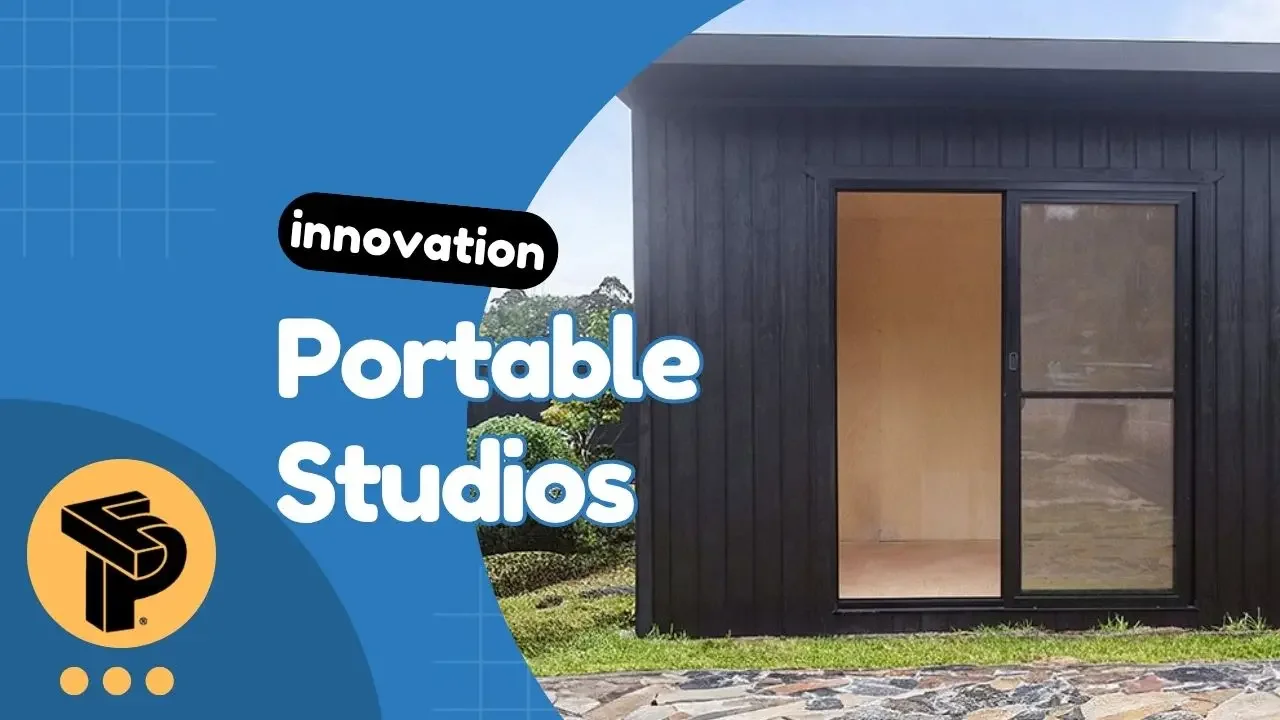
Not every space needs to stay fixed in one place forever. Modern modular design is gradually shifting toward environments that can adapt more easily, both physically and functionally.
Portable modular studios reflect that shift. Instead of treating a structure as something permanent and immovable, these compact spaces are designed around flexibility, efficient installation, and the ability to support different lifestyles over time.
For some people, that means creating a quiet backyard studio. For others, it could become a creative workspace, temporary retreat, or adaptable outdoor room that changes purpose as needs evolve.
What Is a Portable Modular Studio?
A portable modular studio is a compact prefabricated structure designed to be easier to transport, install, and adapt compared to traditional permanent buildings.
These spaces are often used for:
creative studios
outdoor work environments
flexible guest spaces
temporary retreats
hobby rooms
Unlike large residential additions, modular studios usually focus on efficiency and versatility rather than maximizing square footage.
Why Portable Spaces Are Becoming More Appealing
One reason is changing lifestyle habits.
People increasingly want spaces that:
can adapt over time
require less construction complexity
fit smaller properties
create separation without isolation
Portable modular structures align naturally with this because they can add usable space without permanently reshaping an entire property.
Another factor is speed. Smaller modular systems are often easier to install and less disruptive than traditional construction projects.
Design Characteristics of Modern Modular Studios
Compact but Open Layouts
Even smaller studios can feel spacious when the interior remains visually open.
Flexible furniture and integrated storage often help maximize usable space without overcrowding the structure.
Strong Natural Lighting
Large openings dramatically improve compact spaces.
Natural light tends to make modular studios feel calmer, more functional, and more connected to the surrounding environment.
Minimalist Exterior Design
Modern modular studios often use:
clean lines
simple materials
neutral finishes
This helps the structure blend more naturally into outdoor environments.
Flexible Interior Use
One of the strongest advantages is adaptability.
The same studio might function as:
a workspace
a reading room
a creative retreat
a small guest area
Depending on changing needs over time.
Portable Studios for Backyard Environments
Backyards are one of the most common places where modular studios are used.
Unlike large extensions or permanent additions, smaller modular structures often preserve more outdoor openness while still adding functionality.
This approach overlaps naturally with ideas explored in modern garden workspace ideas, where atmosphere and flexibility matter as much as practical use.
Why Modular Construction Works Well for Smaller Studios
Traditional construction can feel excessive for smaller secondary spaces.
Portable modular systems simplify many parts of the process:
shorter installation timelines
reduced site disruption
easier transportation
cleaner layouts
Their compact footprint also makes them easier to integrate into existing residential environments.
Some of the same principles found in foldable prefab homes also influence how portable studio systems are designed, especially when mobility and efficient deployment matter.
A Flexible Compact Studio Concept
One modular example that fits naturally within this category is the Z201 from Prefahb.co.
Its compact structure and adaptable layout make it suitable for:
backyard studio setups
creative outdoor environments
flexible modular rooms
temporary lifestyle spaces
Because the design focuses more on flexibility than permanent residential scale, it works comfortably in a wide range of smaller outdoor applications.
The simplified modular footprint also helps maintain a cleaner relationship between the structure and the surrounding outdoor space.
Things to Consider Before Installing a Portable Studio
Before choosing a modular structure, it’s helpful to evaluate:
how the space will actually be used
utility and internet access
climate and insulation needs
available outdoor space
local permit requirements
Portable modular spaces tend to work best when the intended use remains somewhat flexible rather than overly specialized.
Why Flexible Modular Spaces Continue Growing
Portable modular studios reflect a broader movement toward more adaptable living environments.
Instead of creating oversized permanent additions, many people now prioritize:
intentional space use
flexibility
simplicity
lower construction complexity
Smaller modular structures support these priorities while still creating meaningful additional space.
Frequently Asked Questions
Are portable modular studios permanent structures?
Some are semi-permanent, while others are designed for easier relocation.
Can modular studios be used year-round?
Yes, with proper insulation and climate considerations.
Do portable studios require permits?
Requirements vary depending on size, location, and local regulations.
How quickly can modular studios be installed?
Installation is generally faster than traditional construction methods.
Final Thoughts
Portable modular studio spaces offer a flexible approach to modern outdoor living. Their ability to adapt to different uses while maintaining a compact footprint makes them appealing for homeowners seeking more intentional and versatile environments.
Whether used as a creative studio, quiet workspace, or flexible retreat, modular outdoor spaces continue to reshape how smaller properties can support modern lifestyles.