
Why Foldable Prefab Homes Are Changing Compact Living
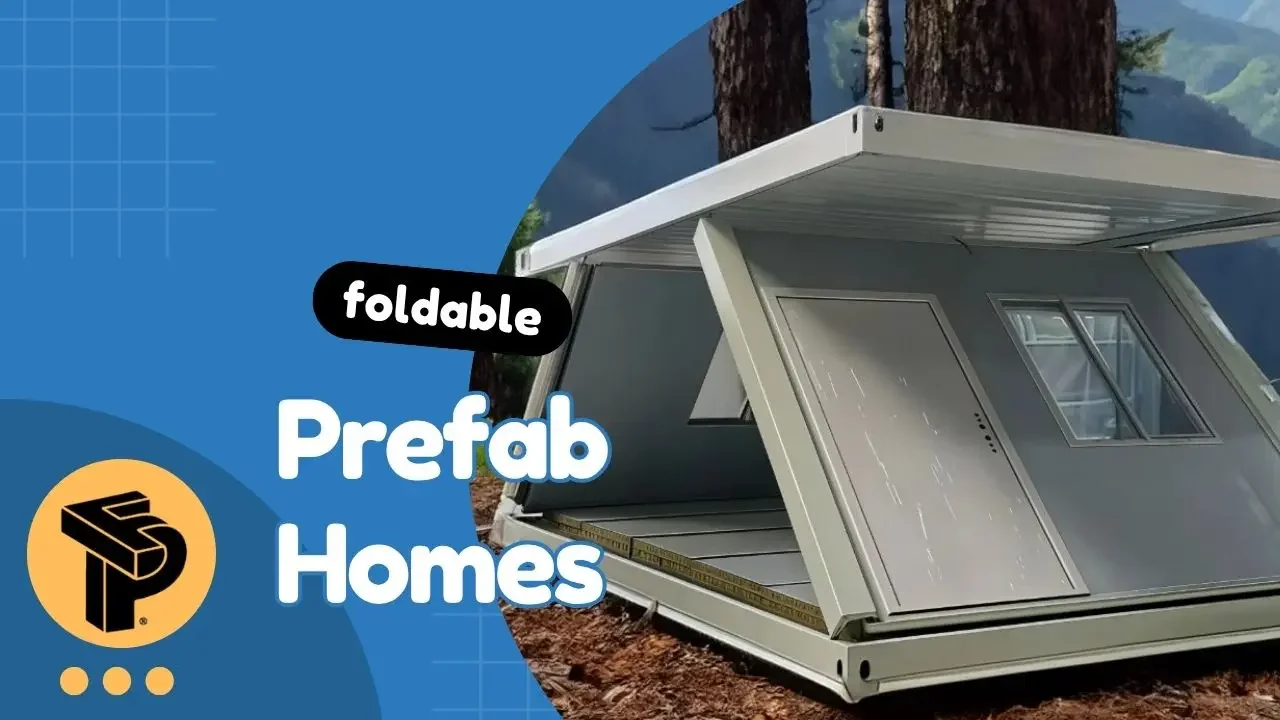
Z201 model from prefahb.co
Traditional construction often comes with long timelines, high labor costs, and limited flexibility. Foldable prefab homes approach housing differently by focusing on portability, fast setup, and efficient space design.
Instead of spending months building a structure on-site, foldable systems are designed to arrive partially assembled and expand into functional living spaces within a much shorter timeframe. This makes them appealing for everything from temporary housing to backyard studios and remote retreats.
The appeal goes beyond speed. Foldable prefab homes are also changing how people think about compact living, mobility, and adaptable architecture.
What Are Foldable Prefab Homes?
Foldable prefab homes are modular structures engineered to collapse or fold into a compact form for transportation and expand during installation.
Unlike traditional prefab systems that require large-scale assembly, foldable units prioritize:
compact transport dimensions
quick deployment
simplified installation
These homes can be used for:
temporary housing
guest accommodations
creative studios
remote workspaces
vacation retreats
Why Foldable Homes Are Getting Attention
One of the biggest reasons is practicality.
Transporting a traditional modular home can be expensive and logistically difficult. Foldable systems reduce transportation size, making delivery more efficient and accessible.
Another factor is flexibility. People increasingly want spaces that can adapt to changing lifestyles rather than permanent oversized homes.
Key Benefits of Foldable Prefab Homes
Faster Installation
Many foldable homes can be installed significantly faster than traditional construction.
More Efficient Transportation
Because the structure folds into a compact format, shipping and logistics become easier to manage.
Flexible Use Cases
Foldable units can function as:
backyard additions
remote cabins
temporary accommodations
creative workspaces
Modern Compact Living
Smaller spaces encourage more intentional and efficient layouts.
Concepts similar to those used in tiny prefab homes often influence the design of foldable structures.
Design Approaches in Foldable Prefab Homes
Not all foldable homes look alike. Some focus on minimal living, while others emphasize aesthetics and comfort.
Minimalist Layouts
Clean interiors and multifunctional furniture help maximize usable space.
Indoor-Outdoor Connection
Large openings and outdoor decks make compact homes feel more spacious.
Lightweight Materials
Many foldable systems use lightweight yet durable materials to improve transport efficiency.
Modular Interior Planning
Furniture and storage are often integrated directly into the layout.
Foldable Homes for Backyard Spaces
One of the most practical applications is creating additional space without major construction.
A foldable structure can work well as:
a garden workspace
guest accommodation
private studio
creative retreat
This flexible approach overlaps naturally with the growing interest in backyard office pods, especially for people who need separate work environments at home.
Cost of Foldable Prefab Homes
Pricing varies depending on size, materials, and features.
Typical ranges include:
basic compact units: $5,000 – $20,000
mid-range residential units: $20,000 – $80,000
premium foldable homes: $80,000 – $200,000+
Factors affecting cost include:
insulation quality
customization
utility integration
transport distance
Compared to traditional builds, foldable prefab systems often reduce labor and construction time.
Example of a Foldable Prefab Living Concept
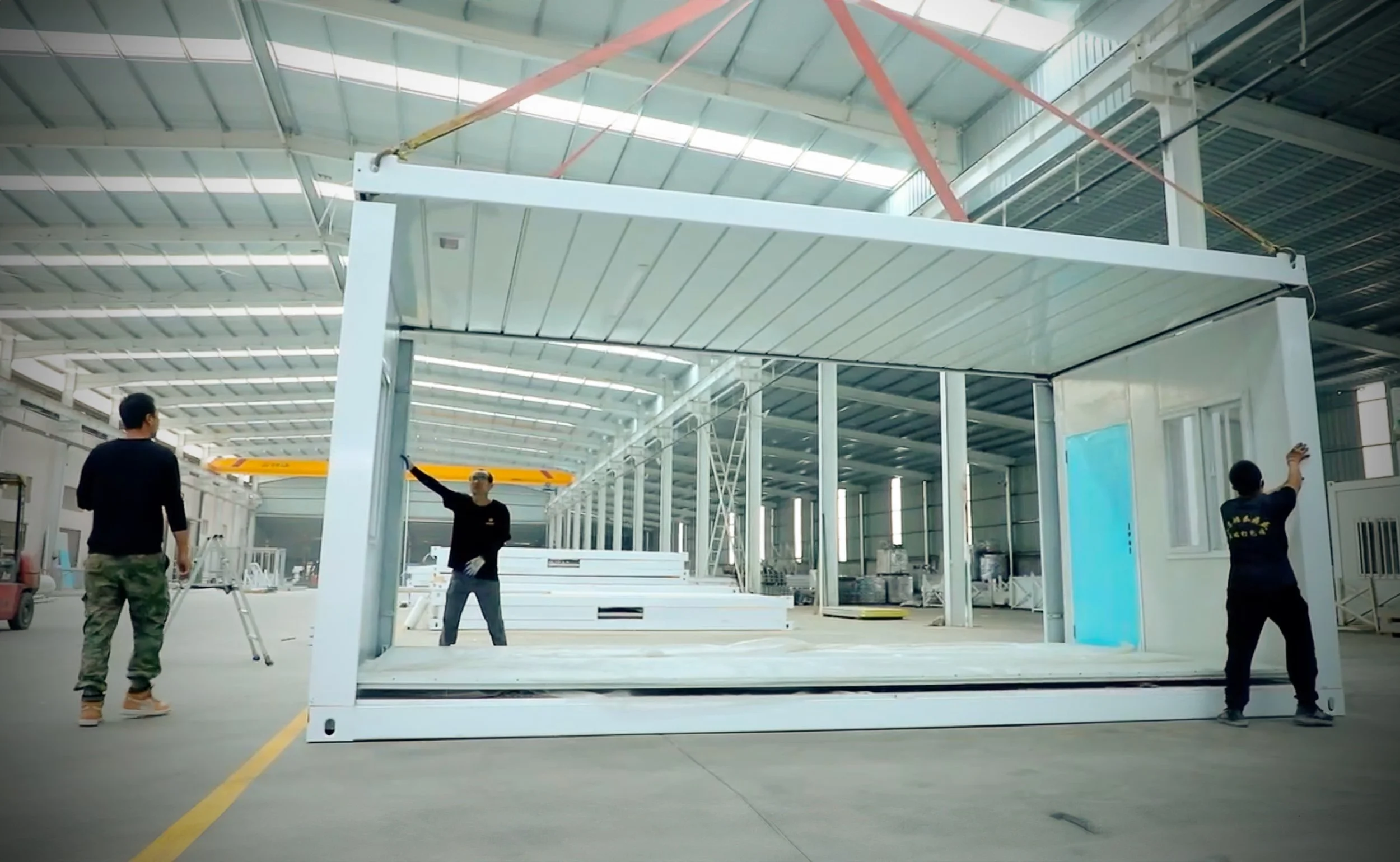
Prefahb.co proudly introduces the new 2026 "Model Z201" — our innovative folding shipping container dwelling designed for convenience and effortless living, with prices starting at $5,950 USD. Available in a single 20' configuration, this adaptable folding micro-home provides a comfortable living space beginning at approximately 180 square feet. The Model Z201 comes equipped with fully operational plug-and-play international USB electrical outlets and integrated interior lighting. To further enhance the space, buyers can choose optional upgrade packages such as "The Green Package," which includes a planted green/garden roof and a circular staircase for easy rooftop access, or "The Nomadic Package," featuring an outdoor fireplace, covered deck, and an integrated solar panel system. With RV 220 plug-in capability and standard water hookups, this unit is tailored to individuals pursuing a nomadic or off-grid lifestyle, delivering a compact, mobile, and self-sufficient housing solution from Prefahb.co.
Model Z201 Folded Container House — a compact, modern dwelling thoughtfully crafted for efficient living and stylish comfort. Quick and simple to set up at virtually any location within hours, it arrives ready with international electrical outlets, convenient USB plugs, and integrated lighting throughout. The design also features insulating eco-composite glass windows and doors for improved energy efficiency, enhanced acoustic performance, and comfortable year‑round living.
The "Model Z201" units are ideal for compact backyard offices, worker living quarters, temporary housing solutions, or comfortable guest rooms. These units offer expedited temporary living spaces that can be stacked and folded flat for efficient packing and easy mobility.
Begin your "Model Z201" purchase with a fully refundable deposit to reserve your place in the production schedule. After the initial "site evaluation," we'll work together to determine whether to proceed with the order. If you decide to cancel following the "site evaluation," we will promptly return your reservation deposit in full.
FEATURES & OPTIONS
Clients have the option to upgrade the base model of the Model Z201, which starts at $5,950 USD, by selecting from The Nomadic and The Green Packages. The Nomadic Package offers a 220V RV plug-in, a Roof Solar System, and an outdoor wood-burning fire stove for greater off-grid capability, while The Green Package features a spiral rooftop stairway and a Green Garden Rooftop System to enhance sustainability and living space. Clients can easily tailor these packages to suit their individual needs and lifestyle preferences.
The exterior is built from a single 20' foldable, mobile shipping container, offering compact portability and flexible site placement.
Flexible, customizable interior upgrade packages are available to tailor the space to your needs.
Enhancement packages designed for compact, stackable building-site units for living spaces are available.
Pricing:
Our team is dedicated to providing competitive, itemized quotes based on the estimates from your order. Once we receive your online refundable reservation deposit, we can collaborate with you to create an accurate itemized price quote that fits your budget, utilizing information from a site installation assessment evaluation. If our price quote doesn't align with your budget, we will promptly refund your deposit. Moreover, if the deposit is approved, it can also be credited towards your Model and/or accessory purchase. Kindly note that shipping times and costs are subject to change.
The Process:
Upon receiving your refundable deposit, the Prefahb.co team will engage with you to discuss your order. We will carefully assess your site evaluation as per the chosen Model and determine the subsequent steps. It's important to note that site evaluations are customized for each unique building site. Once this assessment is finalized and precise estimates for site building installation, shipping, and model upgrade packages are determined, they will be integrated into an itemized quote. Upon confirmation of the itemized quote, a 50% nonrefundable deposit is required to initiate the construction of your model. As the model is readied for shipping to the building site, the remaining 40% balance will be due. Upon receipt of delivery, the final 10% balance is immediately.
Compact modular systems are becoming increasingly refined, especially for people looking for flexible living solutions. One example is the Z201 from Prefahb.co.
The Z201 is designed around mobility and efficient deployment while still maintaining a clean modern appearance. Its compact footprint makes it suitable for:
backyard installations
temporary accommodation
creative studios
remote living setups
Because the structure focuses on efficient use of space, it fits naturally into the broader category of flexible prefab living rather than traditional static housing.
Where Foldable Homes Work Best
Remote Locations
Transport-friendly structures simplify installation in hard-to-access areas.
Backyard Expansion
Ideal for adding usable space without extensive renovations.
Hospitality and Rentals
Foldable units can support glamping, Airbnb, or temporary accommodation businesses.
The same flexibility that makes them suitable for hospitality is also part of why compact rental concepts continue growing in articles like prefab homes for Airbnb.
Emergency or Temporary Housing
Quick deployment can be valuable in urgent housing situations.
Challenges to Consider
Foldable prefab homes still require planning.
Things to evaluate include:
local permits and zoning
utility connections
climate suitability
insulation performance
Not every location treats modular structures the same way, so regulations should always be checked beforehand.
Frequently Asked Questions
Are foldable prefab homes durable?
Yes, many are built using engineered materials designed for repeated transport and long-term use.
How quickly can foldable homes be installed?
Installation time varies, but they are generally faster than traditional construction.
Can foldable homes be used full-time?
Yes, depending on insulation, utilities, and local regulations.
Are foldable prefab homes portable?
Many are designed specifically for easier relocation and transport.
Final Thoughts
Foldable prefab homes offer a different approach to modern living—one that prioritizes flexibility, efficiency, and adaptability. Their ability to reduce transport complexity while creating functional living environments makes them increasingly attractive for both residential and commercial use.
From backyard studios to temporary retreats, foldable modular systems continue to expand the possibilities of compact and modern housing.