
Container Coffee Shop Ideas for Modern Café Businesses
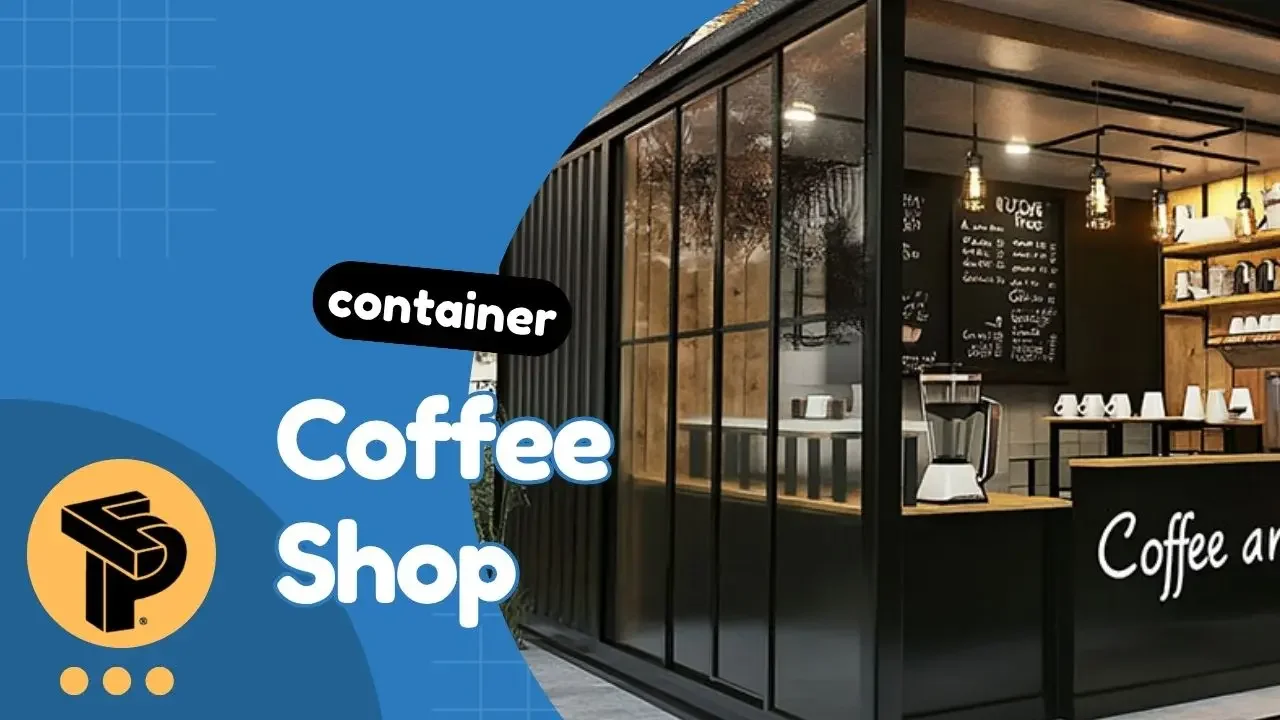
Coffee shops are no longer just about serving drinks. Design, atmosphere, and customer experience have become essential parts of attracting visitors and building a memorable brand. This shift has made container coffee shops increasingly popular among entrepreneurs looking for unique and efficient business spaces.
Shipping containers provide a practical foundation for creating compact cafés with modern aesthetics and flexible layouts. Whether used for small urban cafés, outdoor concepts, or mobile-style businesses, container coffee shops offer a faster and more adaptable alternative to traditional commercial construction.
What Is a Container Coffee Shop?
A container coffee shop is a café or beverage business built using one or more modified shipping containers.
These spaces typically include:
coffee preparation area
customer service counter
seating area
storage space
electrical and plumbing systems
Compared to conventional cafés, container coffee shops often require less construction time and can operate in smaller spaces.
Why Container Coffee Shops Are Becoming Popular
Unique Visual Identity
Container cafés stand out due to their modern industrial appearance.
Faster Setup
Prefab and modular construction significantly reduce build timelines.
Lower Startup Costs
Smaller footprints and modular systems can reduce construction and operational expenses.
Flexible Business Locations
Container cafés can operate in:
urban areas
parks and outdoor spaces
tourism destinations
event venues
Types of Container Coffee Shops
Compact Single-Container Cafés
Small coffee shops focused on takeaway service or limited seating.
Multi-Container Coffee Shops
Larger café concepts combining multiple containers for expanded seating and kitchen areas.
Outdoor and Open-Air Cafés
Designed to integrate indoor and outdoor customer spaces.
Mobile or Pop-Up Coffee Shops
Flexible café concepts designed for temporary locations or events.
Design Ideas for Container Coffee Shops
Industrial Modern Style
Exposed steel combined with wood and warm lighting creates a contemporary atmosphere.
Open Serving Windows
Large service openings improve customer interaction and ventilation.
Indoor-Outdoor Seating
Outdoor seating areas help maximize limited interior space.
Compact and Efficient Layouts
Smart planning improves workflow and customer experience.
Space-efficient layouts similar to those used in shipping container office concepts can also improve functionality in small commercial spaces.
Cost of a Container Coffee Shop
Typical investment ranges include:
small café setups: $15,000 – $50,000
mid-size coffee shops: $50,000 – $150,000
premium café concepts: $150,000 – $300,000+
Costs depend on:
container size and quantity
interior finishes
kitchen equipment
plumbing and electrical systems
seating and outdoor areas
For broader modular construction pricing, container home cost explains many of the structural factors that also affect commercial container projects.
Example Container Coffee Shop Concepts Based on Real Models
Real-world modular systems help demonstrate how compact structures can support commercial use. Here are examples inspired by solutions from Prefahb.co.
Compact Café Units (B201 / Z201)
ideal for: takeaway coffee shops or small business setups
features: efficient footprint, fast installation
These models are suitable for entrepreneurs launching small café concepts with limited space.
Flexible Café Spaces (S201)
ideal for: outdoor cafés or lifestyle-focused coffee shops
features: customizable layout, insulated structure, modern appearance
This type of setup creates a more comfortable customer experience.
Expanded Commercial Layouts (P202)
ideal for: larger café operations
features: spacious layout, multiple functional zones
These concepts support larger seating capacity and more advanced operations.
These examples show how modular systems can adapt to different café styles and business scales.
Best Locations for Container Coffee Shops
Urban Areas
Compact container cafés work well in dense city environments.
Tourist Destinations
Unique café concepts attract visitors in high-traffic travel locations.
Parks and Outdoor Spaces
Container structures integrate naturally into open environments.
Event and Pop-Up Locations
Portable café concepts are ideal for temporary business operations.
Pros and Cons of Container Coffee Shops
Advantages
faster construction
modern and unique design
flexible locations
scalable business setup
Limitations
limited interior space
zoning and permit requirements
workflow planning is essential in small layouts
How to Design a Successful Container Coffee Shop
To create a successful café:
prioritize customer flow
maximize visibility and branding
create comfortable seating areas
optimize workspace efficiency
integrate indoor and outdoor elements
A strong visual identity can significantly improve customer engagement.
Frequently Asked Questions
Are container coffee shops profitable?
Yes, especially in high-traffic or tourism-focused locations.
How much does a container café cost to build?
Costs vary depending on size, equipment, and customization.
Can container cafés be relocated?
Some modular setups can be moved or adapted to new locations.
Do container coffee shops require permits?
Yes, permits and zoning approvals are typically required.
Final Thoughts
Container coffee shops provide a modern and flexible way to launch a café business. With faster construction, strong visual appeal, and scalable layouts, they offer entrepreneurs a practical alternative to traditional commercial spaces.
From compact takeaway cafés to larger lifestyle-focused venues, container coffee shops continue to grow as one of the most creative trends in modern hospitality and retail.