
Tiny House: An Honest Guide to Costs, Types, and Whether It's Right for You
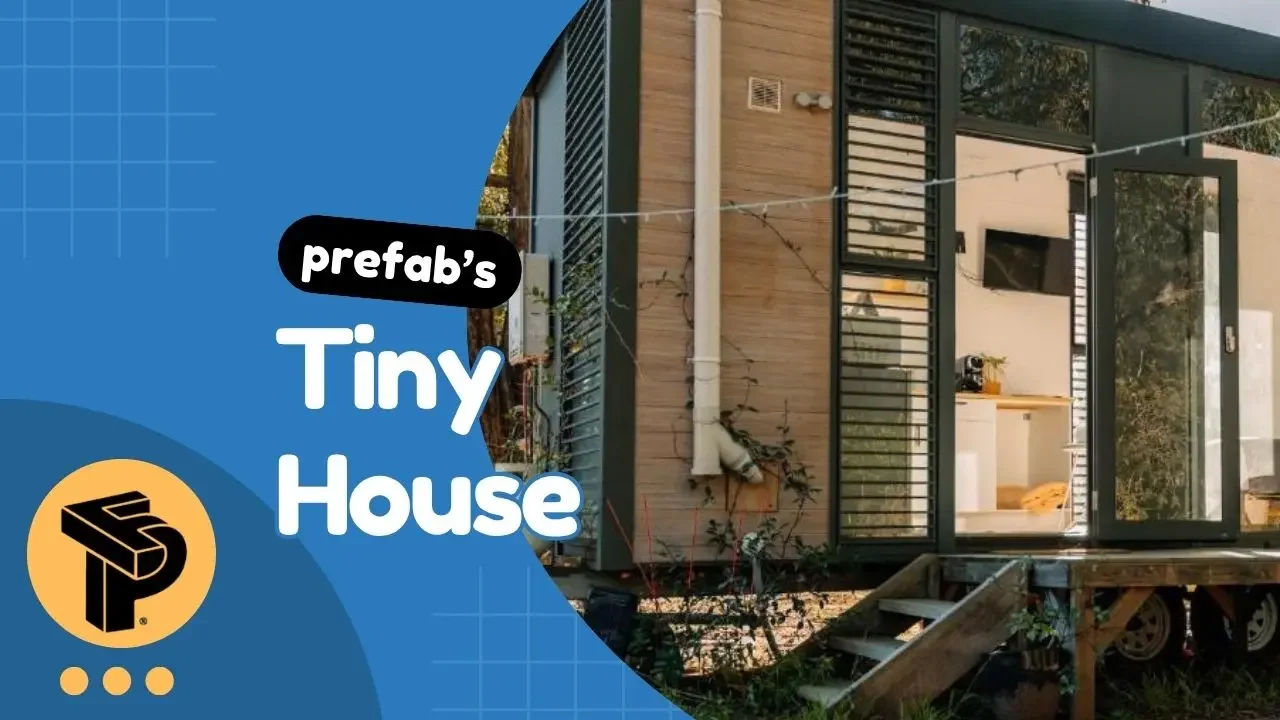
The tiny house movement has generated an enormous amount of enthusiasm and an almost equal amount of oversimplification. The romantic version — freedom, minimalism, financial liberation, a life lived close to nature, is real for some people. So is the less-discussed version: the zoning headaches, the storage limitations, the reality that not everyone thrives in 300 square feet.
The truth is that tiny houses are genuinely transformative for the right person in the right circumstances, and a source of frustration for people who romanticized the idea without understanding the practical realities. This guide aims to help you figure out which category you're in — with honest information about costs, types, legal realities, and the actual experience of tiny living.
What Counts as a Tiny House
There's no universal definition, but the working consensus:
A tiny house is a residential structure generally under 400 square feet, designed for full-time or regular living, emphasizing efficient use of space and often (though not always) a philosophy of intentional, minimal living.
The category divides into two fundamentally different types with very different practical and legal implications:
Tiny houses on wheels (THOWs) are built on trailer chassis, making them mobile. Road-legal dimensions constrain their size — typically a maximum of 8.5 feet wide and 13.5 feet tall to travel without special permits. They're classified as RVs (recreational vehicles) in most US jurisdictions, which has significant implications for where they can be legally parked and occupied.
Tiny houses on foundations are permanent structures built on conventional foundations to local building codes. They can be slightly larger (up to ~600 sq ft while still being "tiny" or "small"), are classified as real property, and have a clearer legal path in most jurisdictions — but they sacrifice the mobility that attracts some tiny house enthusiasts.
The choice between these two types is the most consequential decision in tiny house planning, and it should be driven by your actual priorities: mobility vs. legal stability, temporary vs. permanent, RV classification vs. real property.
The Real Costs of a Tiny House
Tiny house costs vary enormously based on type, size, finish level, and build approach. Here's the honest range:
DIY tiny house on wheels: $20,000–$60,000 in materials. This assumes you provide the labor. The trailer chassis alone runs $4,000–$8,000. Realistic material costs for a well-built DIY THOW land around $30,000–$45,000. The catch: DIY tiny house builds routinely take 1–2 years and require genuine construction skills. Underestimating either the time or the skill required is the most common DIY tiny house mistake.
Professionally built tiny house on wheels: $60,000–$120,000+. A quality builder produces a finished, road-ready THOW with proper systems, insulation, and finishes. The premium over DIY reflects skilled labor, but the result is faster (typically delivered in 3–6 months) and avoids the risk of costly DIY mistakes.
Tiny house on foundation: Costs overlap significantly with the mini home and small modular home categories. Container-based tiny homes on foundations start around $29,000 for the unit (like Prefahb's Model B201), with all-in costs of $50,000–$90,000 including foundation, site work, and utility connections. Site-built tiny homes on foundations run $50,000–$120,000+ depending on finish.
Hidden costs people forget:
Land (if you don't own it): tiny houses need somewhere to sit. Land cost or lot rental is a major expense that the "$40,000 tiny house" narrative often ignores.
Utility connections: water, electrical, sewer/septic. $5,000–$30,000 for foundation-based tiny homes.
Trailer maintenance (for THOWs): tires, bearings, registration.
Insurance: tiny homes on wheels require specialty RV or tiny house insurance.
The genuinely low-cost tiny house — $20,000 all-in, ready to live in — is largely a myth unless you own land with existing utilities and provide all the labor yourself.
The Legal Reality: Where Tiny Houses Get Complicated
The single biggest source of tiny house frustration isn't the small space — it's the legal and zoning complexity. This deserves careful attention before you commit.
Tiny houses on wheels (RV classification): Because THOWs are typically classified as RVs, they face RV parking and occupancy restrictions. Many jurisdictions prohibit living in an RV on residential property full-time, or limit it to a certain number of days per year. Legal THOW living often requires: a tiny house-friendly community or RV park, rural land in a jurisdiction with permissive rules, or placement as an ADU where local codes allow RV-classified ADUs (uncommon but growing).
Tiny houses on foundations (building code): These are generally more straightforward legally, treated as small permanent dwellings. The main obstacles are minimum square footage requirements (some jurisdictions require 120–400+ sq ft for a dwelling) and standard permitting requirements. Where a tiny house on foundation meets the local minimum size and code requirements, it's typically permittable as a small home or ADU.
The ADU pathway: For many people, the most legally clear route to tiny living is as an ADU (Accessory Dwelling Unit) on a property with an existing primary residence. California's ADU legislation and similar laws in other states have created streamlined pathways for small detached dwellings. A foundation-based tiny home as an ADU is often the cleanest legal path.
What to do: Before buying or building any tiny house, confirm exactly how your intended structure will be classified in your specific jurisdiction, where it can legally be placed, and whether you can legally occupy it full-time. This research is not optional — people have spent tens of thousands of dollars on tiny houses they couldn't legally live in where they intended.
Designing for Tiny Living
The design decisions that separate a livable tiny house from a cramped one are specific and consistent:
Vertical space utilization. Tiny houses on wheels use loft sleeping areas almost universally — the bed goes up, freeing the main floor for living. Foundation-based tiny homes with adequate ceiling height do the same. Sleeping lofts are the single most important space-multiplying feature in tiny design.
Multifunctional and transforming furniture. A dining table that folds away, a sofa that converts to a bed, stairs with integrated drawers, a desk that folds into the wall — in a tiny house, furniture that serves one function is a luxury the space usually can't afford. The best tiny houses use transforming elements throughout.
Natural light. Small spaces feel dramatically larger with abundant natural light. Large windows, skylights (especially over loft areas), and glass doors make a tiny house feel open rather than confined. Dark, poorly-lit tiny houses feel oppressive regardless of clever design.
Built-in storage everywhere. Under stairs, under the bed, in toe-kicks, above doorways, in bench seating. Tiny house design treats every cubic inch as potential storage. The goal is keeping the visible floor and surfaces clear, which is what makes a small space feel calm rather than cluttered.
The outdoor connection. Successful tiny house living relies heavily on outdoor space as an extension of the interior. A deck, porch, or patio effectively expands the living area, particularly in mild climates. Many tiny house owners find that the indoor space works precisely because so much of life happens on the deck and outdoors.
Who Tiny House Living Actually Suits
An honest assessment, because tiny living genuinely doesn't work for everyone:
Tiny living tends to work well for:
Single people and couples without children (space demands are manageable)
People who spend most of their time outdoors or away from home
Minimalists who genuinely prefer fewer possessions (not just aspire to)
People seeking dramatic reduction in housing costs and willing to trade space for it
People who value mobility and flexibility over permanence
Tiny living tends to be difficult for:
Families with children (privacy and space demands escalate quickly)
People who work from home and need dedicated workspace
People with significant possessions, hobbies requiring equipment, or collections
People who entertain frequently or host overnight guests regularly
People who underestimated how much they value personal space
The people who thrive in tiny houses are generally those who chose them for clear, honest reasons — not because the aesthetic was appealing, but because the trade-offs genuinely aligned with their priorities.
Tiny Houses vs. Container Homes: A Useful Comparison
For many people drawn to tiny living, container-based small homes offer a compelling alternative to conventional tiny houses — particularly tiny houses on wheels.
The container home on a foundation solves several tiny house problems: it's built to building codes (clearer legal status than an RV-classified THOW), it's structurally robust (steel vs. the lightweight construction of most THOWs), it's typically better insulated, and it avoids the trailer maintenance and RV insurance requirements.
The trade-off is mobility — a container home on a foundation is permanent, whereas a THOW can be relocated. For people whose interest in tiny living is about affordability, efficiency, and reduced footprint rather than mobility, a container-based small home often delivers the tiny house benefits with fewer of the legal and structural compromises.
Prefahb's Model B201 (from $29,000) occupies exactly this space — a compact, efficient, well-built small home with the murphy bed, fold-down desk, and space-efficient design that tiny house living requires, built to a standard that a lightweight DIY THOW rarely matches. For off-grid tiny living, the Nomadic Package adds solar and a wood-burning stove, making the unit fully independent.
Making the Decision
If you're seriously considering a tiny house, the honest process is:
Confirm the legal path first. Before anything else, establish exactly how and where you can legally place and occupy a tiny house in your intended location. This determines everything else.
Be honest about the trade-offs. Spend time in tiny spaces — rent a tiny house for a week, visit tiny house communities. The aesthetic appeal in photos is very different from the daily reality of living in the space.
Choose your type deliberately. Mobility (THOW) vs. legal stability and structural quality (foundation-based). This choice should follow from your actual priorities, not from which looks better online.
Budget honestly. Include land, utilities, and all the costs the romantic narrative omits. The realistic all-in cost is usually significantly higher than the headline "tiny house price."
For the right person, a tiny house — or its close cousin, the container-based small home — genuinely delivers on its promise: dramatically lower housing costs, a lighter footprint, and a life less encumbered by space and possessions. The key is going in with clear eyes about both the rewards and the trade-offs.