
Modular Container Homes Explained From Design to Delivery
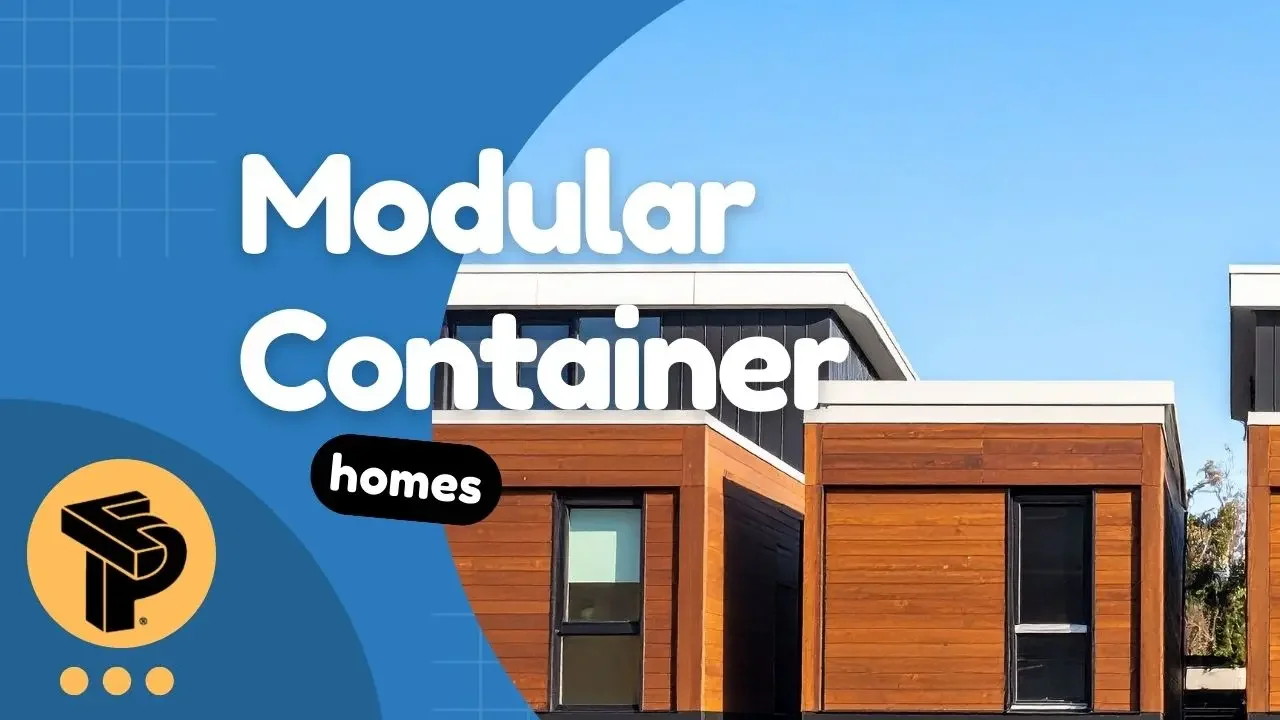
Modular construction has reshaped the way people think about housing. At the same time, shipping containers have evolved from industrial cargo units into durable structural building blocks. When these two concepts come together, the result is modular container homes, a modern housing solution that combines speed, strength, flexibility, and smart design.
As part of the broader modular home category, modular container homes represent one of the most practical and scalable approaches to contemporary living. Companies like Prefahb.co are at the forefront of this movement, offering container-based modular models that range from compact backyard units to multi-story luxury residences.
This guide explores how modular container homes are built, what makes them different, how much they cost, and why they are gaining popularity worldwide.
What Are Modular Container Homes?
Modular container homes are residential or commercial structures built using shipping containers as structural modules, assembled through a prefabricated process. Instead of constructing a home entirely on-site, the primary structure is fabricated in a controlled environment before being delivered and installed at its final location.
Unlike simple container conversions, which may involve minimal modifications to used containers, modular container homes are engineered with insulation, utilities, structural reinforcements, and integrated interior layouts from the start. They are part of the wider modular home concept, but specifically utilize steel container modules as the foundation of the design.
This combination offers the durability of industrial-grade steel with the efficiency of modular construction methods.
How Modular Container Homes Are Built
The construction process typically begins in a factory setting, where container modules are prepared and modified according to design specifications.
The process often includes:
Structural reinforcement of container frames
Installation of insulation and interior wall systems
Pre-wiring for electrical systems and lighting
Plumbing integration
Window and door installation
Interior finishes and fixtures
Because most work is completed indoors, production benefits from consistent quality control and protection from weather-related delays. Once complete, the modules are transported to the site and assembled, connected to utilities, and finalized.
This streamlined approach significantly reduces overall construction time compared to traditional builds.
Benefits of Modular Container Homes
Structural Durability
Shipping containers are engineered to withstand harsh environments and heavy loads. When adapted into homes, they provide a strong structural shell capable of supporting stacked or expanded configurations.
Faster Construction Timeline
Since fabrication and site preparation can occur simultaneously, project timelines are shortened. This efficiency appeals to homeowners and developers who want faster occupancy.
Expandable and Stackable Design
One of the most attractive aspects of modular container homes is scalability. Additional modules can be added to expand living space over time, creating everything from small studios to multi-story residences.
Sustainable Construction Approach
Reusing container structures and reducing on-site waste contribute to a more efficient construction process. Factory-based production also minimizes material loss and site disruption.
Mobility and Flexibility
Certain modular container models are designed for relocation, making them suitable for remote living, temporary housing, or hospitality developments.
Interior Design and Living Experience
Inside, modular container homes are designed to maximize space without sacrificing comfort. Modern layouts prioritize efficiency, open flow, and multifunctional design elements.
Many models incorporate:
Murphy beds or dedicated sleeping areas
Compact yet practical kitchenettes
Full bathrooms with showers or rain shower systems
Built-in workspaces for remote productivity
Integrated lighting and electrical systems
As discussed in our broader guide to modular homes inside, today’s container interiors are far from basic. High cube configurations offer comfortable ceiling heights, while carefully positioned windows enhance natural light and ventilation. Sliding doors and connected decks further extend usable living space.
Even compact units are engineered to feel organized rather than cramped, thanks to intentional layout planning.
Understanding Modular Container Home Pricing
The cost of modular container homes varies based on size, number of modules, interior finishes, and transportation requirements.
Entry-level compact models can start at relatively accessible price points, while larger multi-container residences naturally command higher investments. Factors that influence pricing include:
Total square footage
Interior finish level
Utility systems (electrical, plumbing, solar)
Delivery distance
Site preparation requirements
Optional upgrade packages
At Prefahb.co, modular container-based models begin at $4,950 USD for compact units, with pricing scaling upward for expanded or luxury configurations.
For a more detailed breakdown of budgeting considerations, including hidden costs and cost comparisons, readers can explore our in-depth guide on modular home costs.
Popular Modular Container Home Models by Prefahb.co
Prefahb.co offers a diverse range of modular container-based designs suited to different needs.
Model B201 serves as a compact, flexible entry-level modular unit ideal for backyard offices, studios, or guest spaces.
Model P201 utilizes high cube containers and includes integrated living features such as sleeping areas, kitchenette, and bathroom, making it suitable for ADUs or small residences.
Model P202 combines two container modules into a fully equipped micro-home with expanded interior comfort.
Model Z201 introduces a folding modular concept, designed for transport efficiency and rapid on-site deployment.
Model R404 represents large-scale modular living, combining multiple containers into a spacious two-story residence with multiple bedrooms and premium finishes.
This range demonstrates how modular container homes can scale from minimalist units to expansive residential properties.
Modular Container Homes vs Traditional Construction
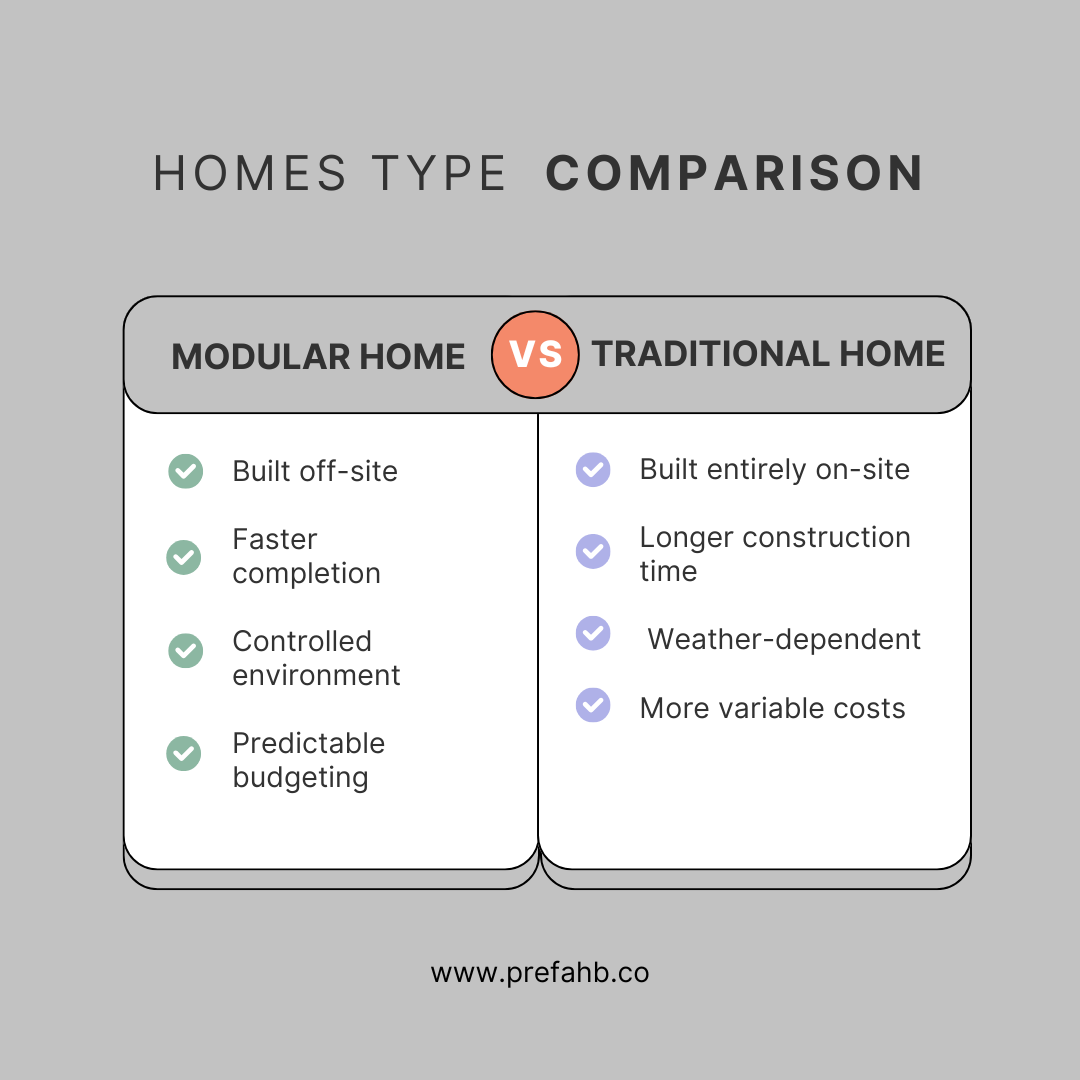
When compared to traditional homes, modular container homes offer several distinct advantages.
Construction Speed
Modular builds are typically completed faster due to off-site fabrication and parallel site preparation.
Cost Predictability
Factory-based production reduces unexpected delays and cost overruns caused by weather or on-site inefficiencies.
Structural Strength
Container-based homes leverage steel frames designed for heavy-duty use, offering durability and structural reliability.
Design Flexibility
Modular systems allow future expansion or reconfiguration, which can be more complex in conventional builds.
While traditional homes may offer broader architectural freedom in some cases, modular container homes excel in efficiency and scalability.
Who Should Consider Modular Container Homes?
Modular container homes are ideal for:
Homeowners seeking backyard ADUs
Developers building rental or resort properties
Remote workers desiring flexible living spaces
Investors looking for scalable housing solutions
Individuals interested in off-grid or sustainable living
Their adaptable nature makes them suitable across diverse markets and climates.
Why Choose Prefahb.co for Modular Container Homes?
Prefahb.co combines modular engineering with container-based structural expertise. The company offers:
A wide range of scalable modular designs
Upgrade packages focused on sustainability and lifestyle enhancements
Factory-controlled construction standards
Flexible project configurations
Models suitable for residential, hospitality, and investment purposes
From compact entry-level units to luxury multi-container residences, Prefahb.co provides modular container homes that balance strength, efficiency, and modern design.
Frequently Asked Questions About Modular Container Homes
Are modular container homes safe and durable?
Yes. They use reinforced steel container structures designed for long-term performance.
Can modular container homes be stacked?
Many designs support stacking or multi-level configurations when properly engineered.
Are they suitable for permanent living?
When installed on proper foundations and connected to utilities, they can function as full-time residences.
Do container homes rust?
Proper treatment, insulation, and maintenance protect against corrosion.
Can I customize the layout?
Most modular container home providers offer layout and upgrade options tailored to project needs.
Final Thoughts
Modular container homes represent a powerful fusion of industrial strength and modern construction efficiency. By combining container durability with modular precision, they offer a flexible housing solution adaptable to a wide range of lifestyles and budgets.
As interest in smart, scalable housing continues to grow, modular container homes stand out as one of the most innovative paths forward in modern residential design.