
Prefab Home Kits: What You Actually Get and How to Buy One
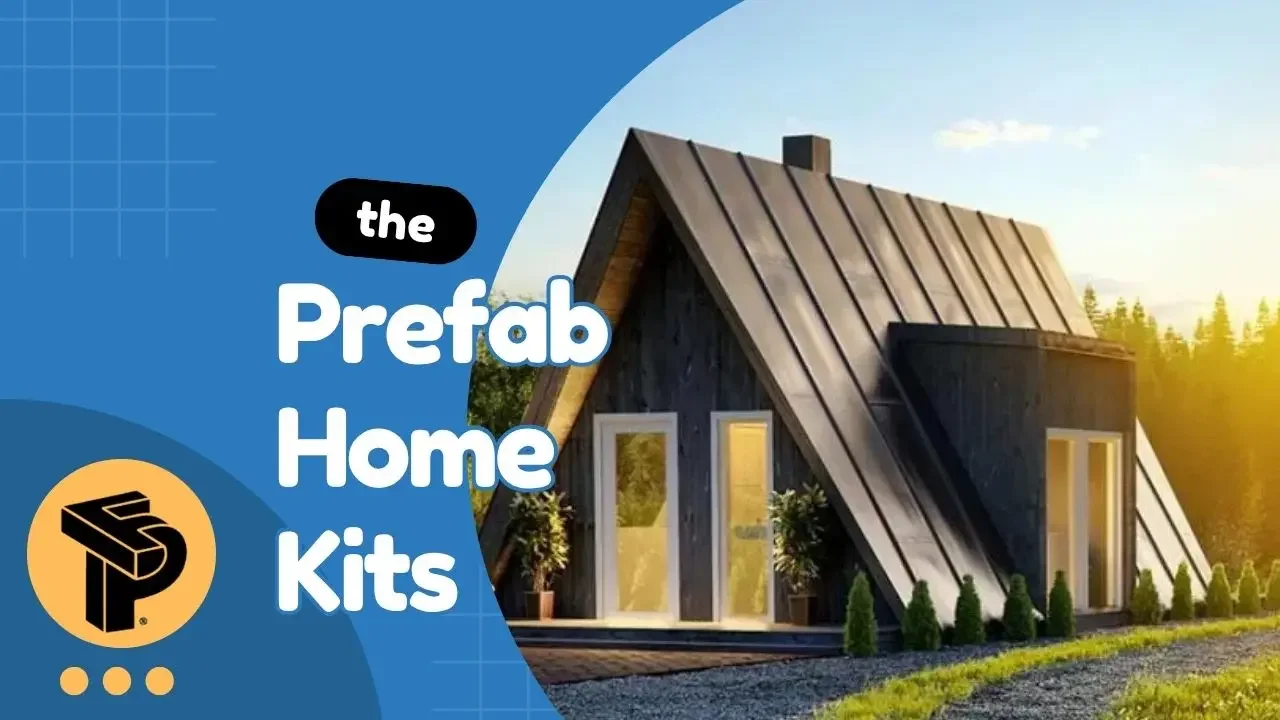
The phrase "prefab home kit" gets thrown around a lot — but if you've spent more than ten minutes researching one, you've probably noticed that no two sellers seem to mean the same thing by it. Some kits are little more than a steel frame and a stack of panels. Others arrive nearly complete, ready to drop onto a foundation and finish in a matter of weeks.
Here's how to tell the difference, what to look for, and how the buying process actually works.
What Is a Prefab Home Kit, Exactly?
A prefab home kit is a pre-manufactured housing package assembled off-site — at a factory or production facility — and then shipped to your property for final installation. The degree of completion when it arrives is what separates a true kit from a finished prefab unit.
On one end of the spectrum, you have flat-pack or knock-down kits — components manufactured to spec, flat-packed for efficient shipping, and assembled on-site by you or a crew. These tend to be lower cost upfront but require more labor at the destination.
On the other end are near-turnkey prefab units — structures that arrive largely finished, needing only foundation placement, utility hookups, and minor finishing work. These cost more initially but dramatically reduce installation time and on-site complexity.
Most buyers are better served by the second category, especially if they're building in areas with limited local labor or tight timelines.
What Comes in the Kit?
This varies by manufacturer, so always ask for an itemized spec sheet before committing. A quality prefab home kit should clearly state what's included in the base price and what's an upgrade or add-on.
Generally, a solid prefab home kit includes:
Structural shell — walls, roof, and floor system, fully engineered and compliant with US building codes (or adaptable to them).
Exterior cladding — whether that's Corten steel, timber, composite panels, or finished container walls.
Windows and doors — pre-installed or pre-cut openings with specified units included.
Basic interior framing — ready for insulation, drywall, and finish work.
Mechanical rough-in — plumbing stubs and electrical conduit in place (though not always connected).
What's usually not included in the kit price: site preparation, foundation, shipping to your specific location, permits, final utility connections, and interior finishes like flooring and cabinetry.
Prefab Container Home Kits: A Different Animal
Shipping container-based prefab kits have grown into one of the most popular categories — and for good reason. The container itself acts as the structural shell, meaning you're starting from an engineered, globally tested box rather than building a frame from scratch.
Prefahb's Model B201 (from $29,000) is a good example of how this works in practice. It's built from a 20' to 40' knock-down shipping container, arrives with the deck, interior framing, and customizable features already integrated, and is designed to be assembled on-site without specialized construction knowledge. The Green Package adds a garden roof and circular staircase. The Nomadic Package layers in solar panels and a wood-burning stove — making it fully off-grid capable.
The Model Z201 ($5,950) takes the kit concept even further with a folding container design — engineered to ship flat and expand on-site. It's one of the more genuinely "kit-like" offerings on the market, in the truest sense of the word.
How to Buy a Prefab Home Kit: Step by Step
Step 1: Define your use case. Are you building a primary residence, a backyard ADU, a vacation rental, or a guest house? The answer changes your size requirements, permitting needs, and budget significantly.
Step 2: Set a realistic all-in budget. The kit price is the starting point, not the finish line. Add 30–50% on top for site work, shipping, permits, and installation to get a true picture.
Step 3: Research manufacturers carefully. Look for: transparent pricing, documented build quality, clear specs on what's included, and a process that starts with a site evaluation rather than a hard sell.
Step 4: Evaluate your land. Before ordering anything, your site needs to be assessed for soil conditions, slope, utility access, and local zoning. A reputable prefab company will require this before finalizing your quote — if they don't, that's a red flag.
Step 5: Understand the deposit and payment structure. Most legitimate prefab kit manufacturers work on a phased payment model. With Prefahb, for instance, the process starts with a fully refundable deposit, then a 50% non-refundable deposit once the build is confirmed, 40% before shipping, and the final 10% on delivery. That structure protects both parties and keeps the project accountable.
Step 6: Confirm permitting requirements in your county. Container homes and prefab structures are legal across the US but subject to local zoning and building codes that vary significantly. California, Texas, Florida, and the Pacific Northwest each have their own set of rules. Your manufacturer should be able to guide you through what's needed.
Step 7: Plan your installation crew. Even a DIY-friendly kit needs a crane and a small crew for placement. Line this up before your delivery date — not after.
What to Watch Out For
Not all prefab home kits are created equal. A few things to be cautious about:
Vague "starting at" pricing with no clarity on what triggers price increases. A $15,000 "starting" kit that ends up at $80,000 after necessary add-ons isn't actually a $15,000 kit.
No site evaluation process. If a company is willing to ship you a unit without understanding your site first, they're not set up to support you when problems arise during installation.
Overseas manufacturers with no US support. Buying internationally can unlock significant value — Prefahb's Bali-based production, for example, delivers hand-crafted quality at costs that domestic factories struggle to match — but the manufacturer should have a clear process for US delivery, installation support, and after-sale service.
The Bottom Line
A prefab home kit is one of the most efficient paths to homeownership available in 2026 — but "efficient" only holds true if you go in with clear expectations and choose a manufacturer who's transparent from the start.
The best kits aren't just cheap to buy. They're thoughtfully engineered, honestly priced, and backed by a process that gets you from deposit to move-in without nasty surprises.