
Modern Architecture Prefab Homes: Why the Best Designs Are Built Off-Site
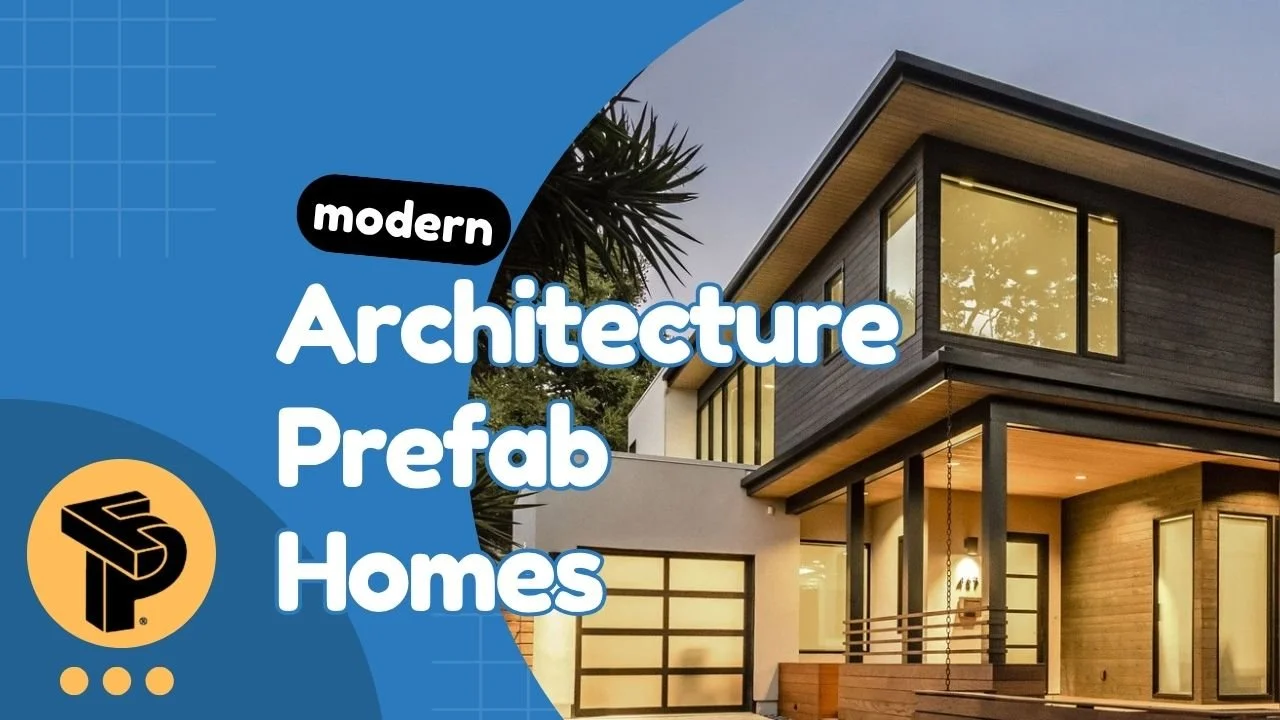
There was a time when "prefab" was practically a synonym for compromise, the architectural equivalent of a fast food order. Efficient, yes. Beautiful, not particularly. That era is over.
The most interesting residential architecture being produced right now isn't coming out of job sites. It's coming out of factories, fabrication yards, and increasingly, purpose-built facilities in places like Bali, where skilled craftsmanship and design ambition intersect in ways that traditional construction markets rarely allow.
Here's what modern prefab architecture actually looks like in 2026, and why more serious architecture enthusiasts are paying attention.
The Design Shift That Changed Everything
For most of the 20th century, prefab meant manufactured homes — double-wides, park models, utilitarian boxes designed to minimize cost, not maximize design quality. The architecture establishment largely ignored the category.
That changed as a confluence of factors reshaped the market: rising construction costs, labor shortages in skilled trades, advances in digital fabrication, and a generation of architects who stopped treating off-site construction as a limitation and started treating it as a medium.
When your walls are built in a controlled factory environment — laser-cut, precisely assembled, quality-checked before shipping — the tolerances you can achieve are actually tighter than on-site construction allows. That means cleaner lines, flatter surfaces, more precise geometry. For modern architecture, which lives or dies on those qualities, factory production isn't a compromise. It's an advantage.
What Modern Prefab Architecture Actually Looks Like
The defining characteristics of contemporary prefab design aren't that different from what you'd expect from a well-designed custom home. What distinguishes the best examples:
Honest material expression. Rather than concealing the industrial origins of container-based or panel-based construction, the best modern prefab homes lean into them. Exposed Corten steel, raw concrete, unfinished timber — materials that age well and develop character over time rather than trying to imitate traditional construction.
Strong indoor-outdoor connection. Modern prefab, particularly container-based design, naturally lends itself to generous openings — large sliding glass panels, covered decks that extend the living area outward, roof terraces that connect interior volumes to the sky. In warm climates especially, this blurs the line between inside and outside in ways that conventional construction rarely achieves.
Compact, efficient floor plans. The discipline that comes from working within a container's dimensions — typically 8 feet wide by 20 or 40 feet long — produces floor plans that waste nothing. Every square foot is intentional. Modern design sensibility celebrates that economy rather than apologizing for it.
Additive complexity. A single container is a studio. Stack two and you have a two-story home. Stack four in a staggered configuration and you have something that wouldn't look out of place in an architecture magazine. The modular nature of container-based design means complexity scales from the same basic unit — which is fundamentally different from traditional construction, where adding a room means starting from scratch on that portion of the build.
Prefahb's Approach to Modern Prefab Design
Prefahb's lineup reflects this architectural thinking across multiple price points and configurations.
The Model B201 (from $29,000) is the starting point — a single 20'–40' container that functions as a studio, backyard office, or guest space. The optional Green Package adds a garden roof and circular staircase, transforming a utilitarian box into something with genuine architectural presence. Clean, considered, honest about what it is.
The Model A2030 ($91,200) and Model P202 ($109,995) represent the middle tier of architectural ambition — multi-element configurations that use the container module as a building block for more complex spatial arrangements. These are homes designed to be looked at as well as lived in.
At the upper end, the Model F (from $113,000) and Model R404 (from $195,000) are where the design language gets fully developed. The R404 in particular reads as a luxury architecture project first and a prefab home second — which, depending on your perspective, is either the point or the highest compliment.
All of Prefahb's models are produced at their facility in Ubud, Bali — a location that brings its own design sensibility to the work. Balinese craft tradition emphasizes material quality, attention to joinery, and a relationship between built form and natural setting that aligns naturally with the best of modern prefab thinking.
Is Modern Prefab Right for Your Project?
The honest answer is that modern architecture prefab homes work best for buyers who approach the process with design intent. If you have a site with a strong view, a specific relationship to landscape, or a visual aesthetic you're trying to achieve, prefab is a legitimate path to getting there — often faster and for less money than commissioning equivalent custom construction.
What it requires is working with a manufacturer who takes the design seriously. Not every prefab company does. The ones that do are producing some of the most interesting residential architecture being built today.
The shift from prefab-as-compromise to prefab-as-choice is one of the more consequential developments in American residential architecture over the past decade. If you haven't looked seriously at what's possible, 2026 is a good time to start.
Explore the full range of Prefahb models — from studio units to multi-container architectural homes.