
Log Burner Tent: How to Match the Right Stove to the Right Tent
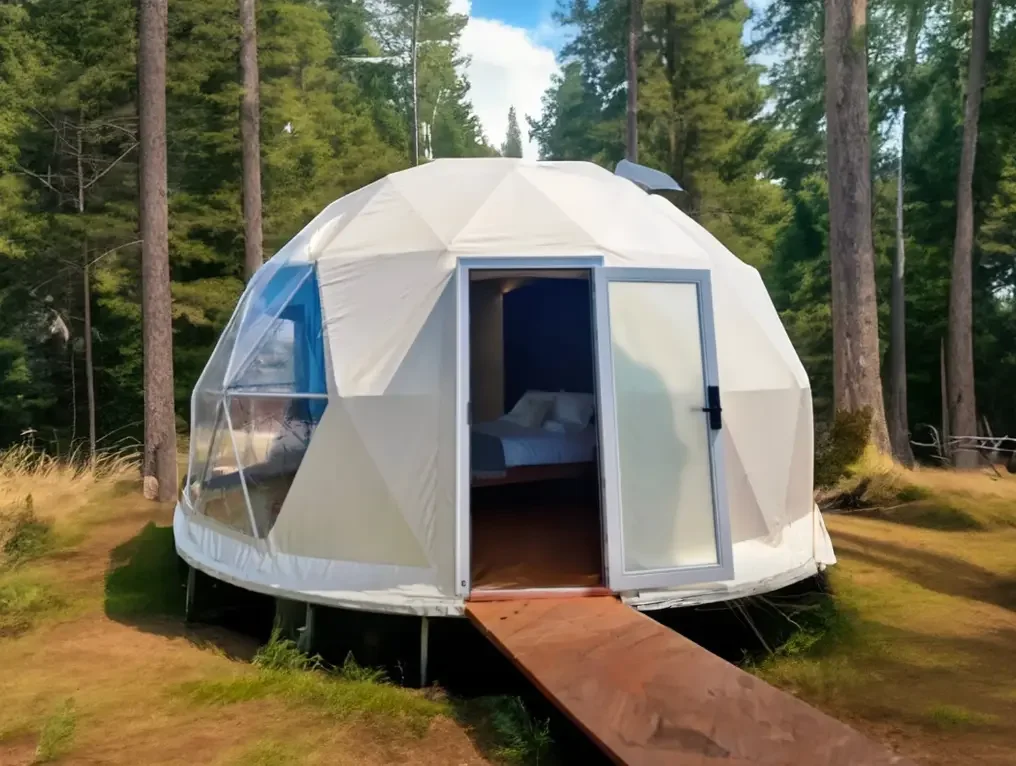
The single most common mistake in setting up a log burner tent isn't a safety error or a bad tent choice — it's a sizing mismatch. A stove that's too small for the tent struggles to heat it in genuinely cold conditions, leaving you disappointed with an expensive setup that doesn't deliver the warmth you expected. A stove that's too large overheats the space, burns through fuel faster than necessary, and can even become uncomfortable in the confined volume of a tent interior.
Getting the tent-and-stove pairing right is the difference between a log burner tent setup that transforms winter camping and one that underwhelms. Here's how to think through the pairing, compare the main tent styles that work with log burners, and put together a setup that actually delivers.
Sizing the Stove to the Tent: The Core Calculation
The right stove size is a function of tent volume — length times width times average interior height — not floor area alone. A tall bell tent and a low wall tent with the same footprint have very different volumes to heat.
Rough sizing guide by tent volume:
| Tent Volume | Firebox Size | Typical Application |
|---|---|---|
| Under 1,500 cubic ft | 1,500–2,500 cubic in | Small backpacking hot tents, solo setups |
| 1,500–3,000 cubic ft | 2,500–4,000 cubic in | Medium bell tents, 2–4 person setups |
| 3,000–5,000 cubic ft | 4,000–6,000 cubic in | Large wall tents, group basecamp setups |
| 5,000+ cubic ft | 6,000+ cubic in | Expedition-scale wall tents |
Calculating your tent's volume: for a simple estimate, multiply floor length by floor width by average interior height (not peak height — average across the sloped or curved profile). A 10x12 foot bell tent with an average usable height of 6 feet is roughly 720 cubic feet — solidly in the smallest sizing tier. A 16x20 foot wall tent with 7-foot average height is around 2,240 cubic feet — solidly in the medium tier.
Why undersizing fails: a stove too small for the tent's volume simply can't produce enough heat output to overcome the tent's heat loss in genuinely cold conditions. You'll feel warm near the stove and cold everywhere else, and the interior temperature will drop quickly once the fire dies down.
Why oversizing is also a mistake: a stove too large for the tent overheats the space rapidly, forcing you to either run it at a low, inefficient smolder (which produces more creosote buildup in the stovepipe — a chimney fire risk) or repeatedly open the tent to vent excess heat, defeating the purpose of the setup.
Tent Styles That Work With a Log Burner
Not every tent accepts a log burner — only tents specifically built with a stove jack (a heat-resistant port for the stovepipe) are suitable. Among stove-compatible tents, several distinct styles are available, each with a different profile relative to a log burner setup.
Wall tents. The traditional and most capable option for a serious log burner setup. Rectangular, with nearly vertical walls, wall tents maximize usable floor space relative to their footprint and accommodate larger stoves comfortably. Available from compact 8x10 configurations (2–3 person capacity) up to expedition-scale 16x24 tents that sleep 8–10. Heavy — typically canvas construction weighing 40–80+ lbs for larger sizes — and best suited to vehicle-supported basecamp use rather than backpacking. The classic hunting camp and outfitter tent style, and still the benchmark for combining a log burner with genuine spatial comfort.
Bell tents. Conical canvas tents with a central pole and slightly flared lower walls, creating a spacious circular interior. Bell tents have become extremely popular for both recreational winter camping and glamping applications — they combine good heat retention (the sloped walls radiate heat efficiently toward the center), an aesthetically appealing interior, and a lighter overall weight than an equivalent-capacity wall tent. Sizes typically range from 10 to 20 feet in diameter, accommodating 2 to 8 people. The stove typically sits slightly off-center near the entrance to keep the sleeping and living zones clear.
Tipi-style hot tents. Similar in principle to bell tents but with a more pronounced conical taper. Excellent wind and snow-shedding performance due to the steep profile. Slightly less usable floor area relative to footprint compared to a bell tent because of the tighter taper, but very stable in exposed conditions.
Modern synthetic hot tents. A newer category using lighter synthetic or polycotton-blend fabrics in tunnel, dome, or pyramid shapes, designed specifically for stove compatibility while prioritizing lower weight than traditional canvas. These trade some of canvas's superior breathability and fire resistance for significant weight savings, making them viable for backpacking-adjacent winter trips where a full wall tent setup isn't practical.
Matching Tent Fabric to Your Log Burner Use Case
The fabric choice interacts directly with how the tent performs with an active stove inside
Pure canvas (cotton duck) breathes naturally, which is a genuine advantage with a log burner running: moisture from breathing, cooking, and melting snow escapes through the fabric rather than condensing heavily on the interior walls. Canvas is also more inherently fire-resistant than synthetic fabrics — a spark that reaches canvas tends to char rather than melt or ignite explosively, an important safety margin when you're running an open flame inside. The trade-off is weight; canvas wall tents and bell tents are heavy and best suited to vehicle-supported or stationary basecamp use.
Polycotton blends retain much of canvas's breathability while cutting weight by roughly 30–40%, and typically offer better out-of-the-box water resistance. This has become the practical middle ground for most stove-tent buyers — light enough to be manageable, breathable enough to manage condensation well with an active stove.
Pure synthetic fabrics used in some modern hot tent designs prioritize minimum weight, which matters for backpacking-style trips. The trade-off is reduced breathability (more condensation management needed) and higher sensitivity to spark damage, making the spark arrestor on your stovepipe even more important with these tents.
For a dedicated log burner setup where the tent will primarily be used at a fixed camp or transported by vehicle, canvas or heavy polycotton is the right choice — prioritizing the stove-compatibility advantages (breathability, fire resistance) that matter most when you're running an open flame. Save the lightweight synthetic options for situations where pack weight is the binding constraint.
The Stovepipe and Spark Arrestor: Often-Overlooked Components
A log burner tent setup lives or dies on details beyond the stove and tent themselves.
Stovepipe sections. The pipe needs to extend high enough above the tent roofline — typically 12 to 18 inches minimum — to create adequate draft and keep smoke clear of the tent. Confirm you have enough pipe sections for your specific tent height; running short on pipe is a common and easily avoidable frustration.
Spark arrestor. A screen mesh fitted to the top of the stovepipe prevents embers from escaping and landing on the tent fabric. This is essential for canvas and especially for lighter synthetic tents, which are more vulnerable to spark damage than heavy canvas. Some quality stoves include a spark arrestor; if not, it's a low-cost addition worth adding.
Stove jack material and fit. The stove jack itself — the heat-resistant port in the tent fabric — should be a snug, well-engineered fit around your specific stovepipe diameter (commonly 2.5 to 3 inches). A loose-fitting jack lets in drafts and rain; an ill-fitting one is a fire risk if the pipe contacts the surrounding tent material.
Safety Essentials for Any Log Burner Tent Setup
These apply regardless of which tent and stove combination you choose:
Only use a stove in a tent purpose-built with a stove jack. Never improvise a stove setup in a tent not designed for one.
Maintain clearance between the stovepipe and the stove jack material at all times; check periodically that the pipe hasn't shifted.
Ventilate continuously. Even with a properly drafting stove, carbon monoxide can accumulate in a sealed tent. Keep a vent or partial door opening at all times, and use a carbon monoxide detector inside — this is non-negotiable.
Never leave the stove unattended while burning hot, and especially never leave it unattended overnight without damping it down to a low, managed burn.
Size the stove correctly, as covered above — both under- and oversized stoves create their own risks (poor heating leading to improvised unsafe workarounds, or overheating leading to overly aggressive damping that increases creosote buildup).
Putting Together a Complete Setup
Budget setup ($500–$800): A polycotton bell or tunnel tent (10x10 to 12x12 range) paired with a compact steel stove sized for the small-to-medium volume tier. Suitable for 2–4 person recreational winter camping.
Mid-range setup ($900–$1,500): A quality polycotton or blended-canvas bell tent (14x14 to 16x16) with a properly matched medium steel stove, spark arrestor, and full stovepipe kit. The sweet spot for most serious cold-weather campers and small group basecamp use.
Premium setup ($1,500–$2,500+): A full canvas wall tent (16x20 or larger) with a properly sized medium-to-large stove — steel for durability at this scale or titanium if some portability is still desired — plus a complete pipe and spark arrestor kit. Suitable for expedition basecamps, hunting camps, and extended group winter use.
Whatever tier fits your use case, the sizing principle stays constant: match the stove's firebox capacity to the tent's actual cubic volume, not just its footprint, and you'll end up with a setup that delivers the genuine warmth a log burner tent promises rather than a disappointing mismatch.
From Tent to Permanent Structure
For those who camp with a log burner setup regularly and find themselves wanting the same warmth and off-grid independence in a more permanent form, a small insulated structure with a wood-burning stove is the natural next step. Prefahb's Nomadic Package, available on models like the Model B201 (from $29,000), pairs a wood-burning stove with solar power in a fully insulated container structure — delivering the same fundamental appeal as a log burner tent (radiant heat, self-sufficiency, comfort in remote settings) with the durability and security of a permanent building.
Explore Prefahb's off-grid capable container homes with wood-stove heating packages.